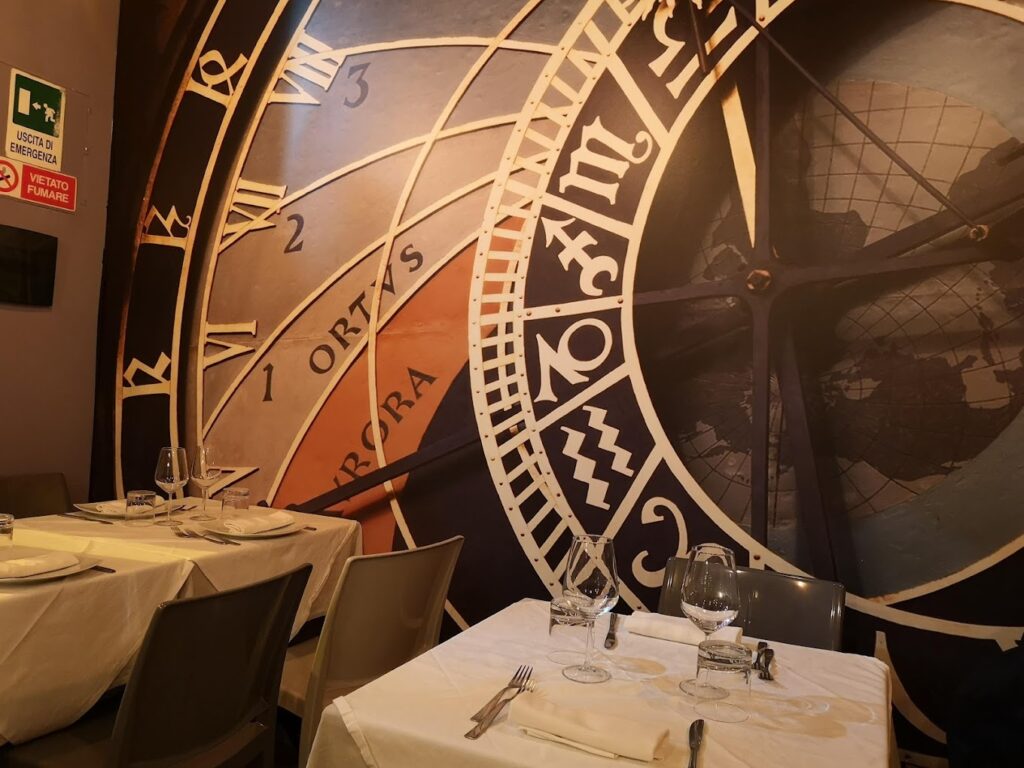
Taormina to Siracusa (Ortigia)…..a Baroque extravaganza
Categories France/Italy/France 2022..... another Mega RoadtripNovember 5th – 8th
The morning is clear and sunny albeit cooler after the rain of last night. Today we are de-camping from Taormina and heading to Syracuse-Ortigia, a 120km drive south.
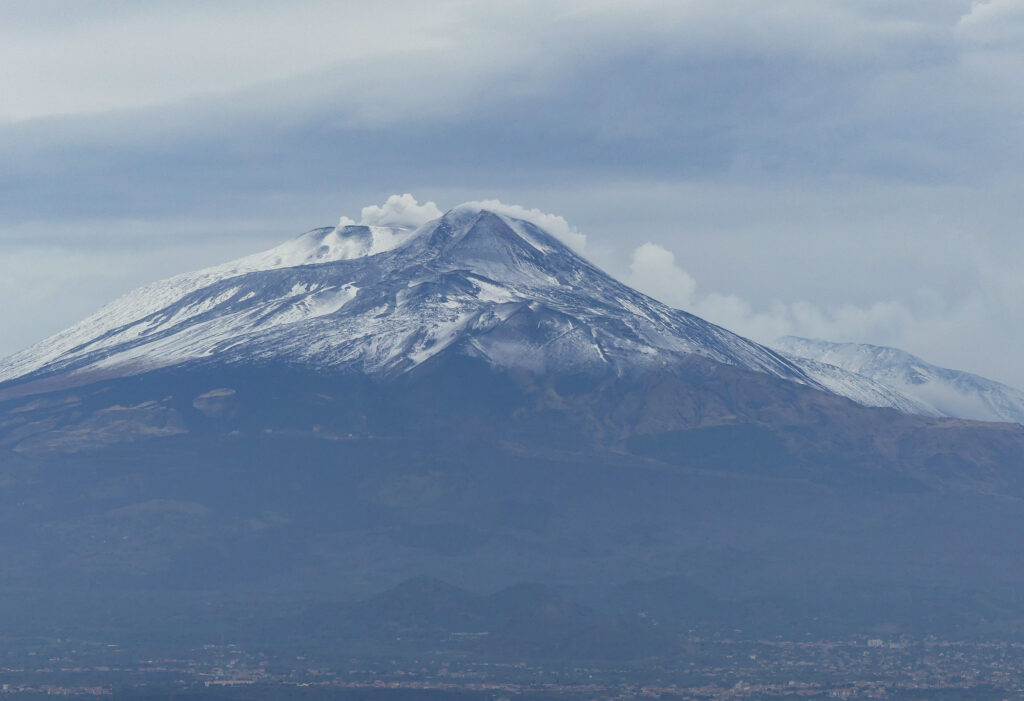
We are taking the quick route as we have been able to get into our AIRBNB early. We have a view of Mt. Etna which overnight has taken onits winter look…our timing for hiking on the volcano could not have been better:
As it turns out it was very easy to find the apartment which is situated close to the causeway to Ortigia Centro Storico and as luck would have it parking was available literally outside our unit. Our unit is small but functional and most importantly within a 10-minute walk to the island of Ortigia, effectively the historical center of Syracusa (yes, Syracuse, N.Y. was named after this city). We have three nights here and a rather ambitious program of sites to visit, so there is no time to waste…
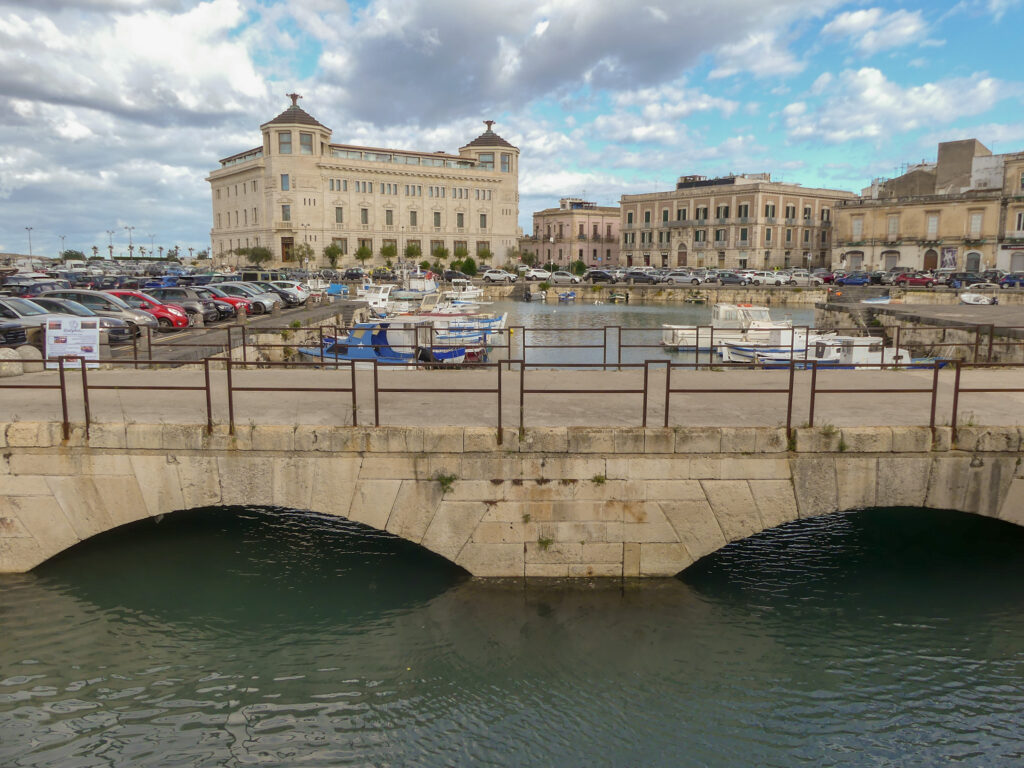
There are two small bridges by which one can reach Ortigia…the Umbertino (oldest) is pictured below and the one which we used …
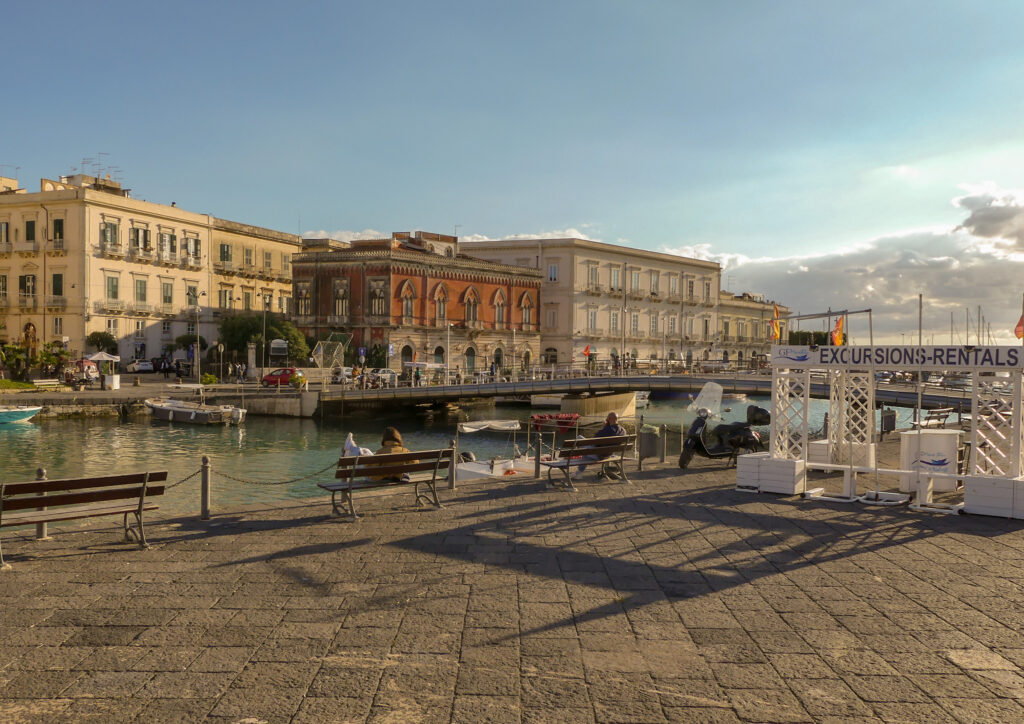
…and the Santa Lucia (the newest)…
Ortigia is really fascinating and punches well above its weight/size..first it is Sicily’s oldest recorded settlement. Founded in 734 BCE, Syracuse grew into a city that eventually surpassed Athens as a center for trade, knowledge, and the arts. But even in its heyday as a Mediterranean power, the city was constantly fighting: along with attacks from Carthage and other regional powers, there were uprisings against local tyrants. Romans took over in 212 BCE, followed by a long list of other conquerors: Byzantines, Vandals, Goths, Arabs, Normans, pirates, Germans, Austrians, French, Spanish, the Kingdom of Naples, and finally the northern Italians determined to unify the country in 1865. Whilst most physical vestiges have been lost the influence of the conquerors remains in the art, culture food, resulting in an almost palpable sense of history when one walks through the charismatic streets of this town.
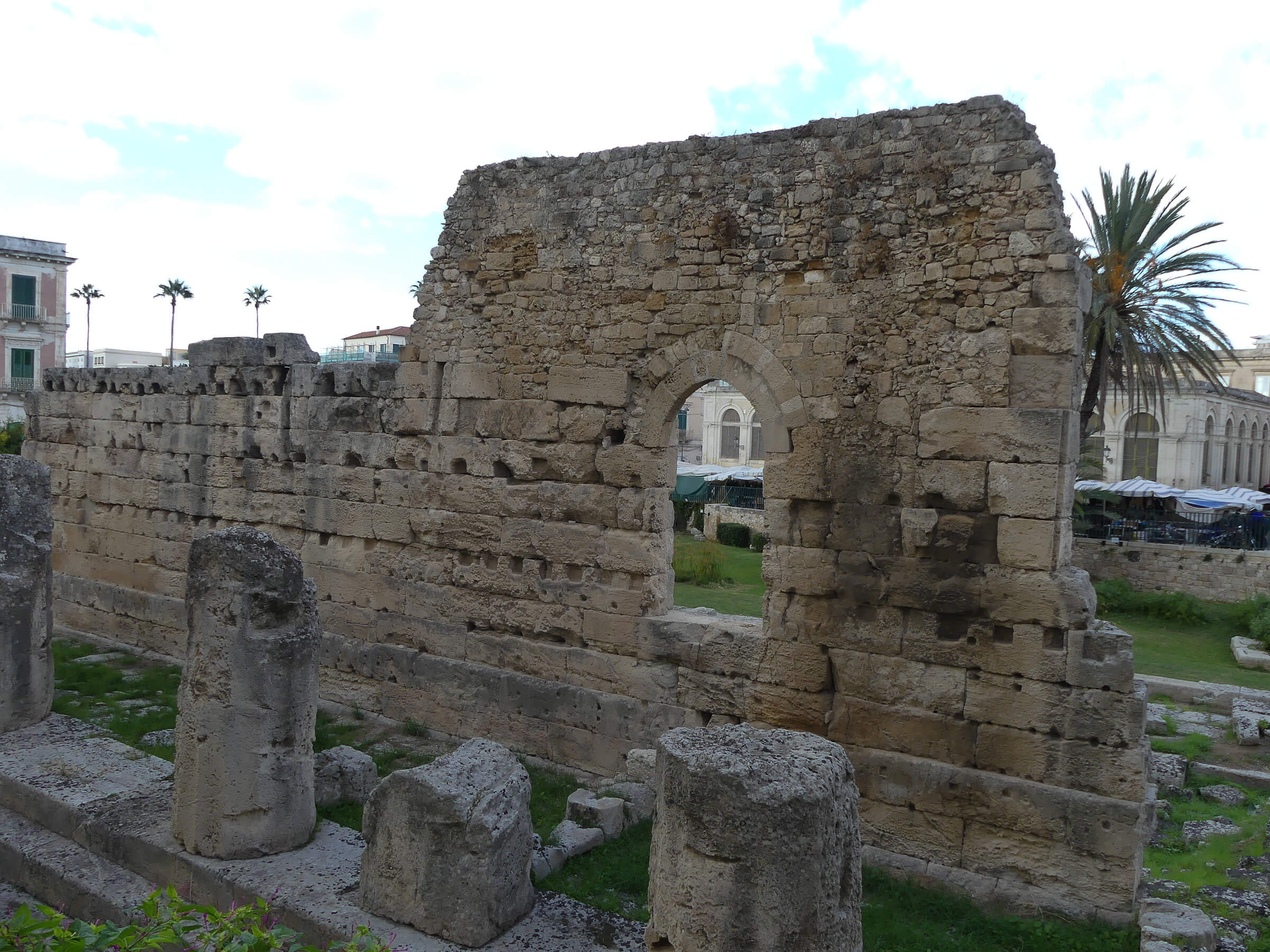
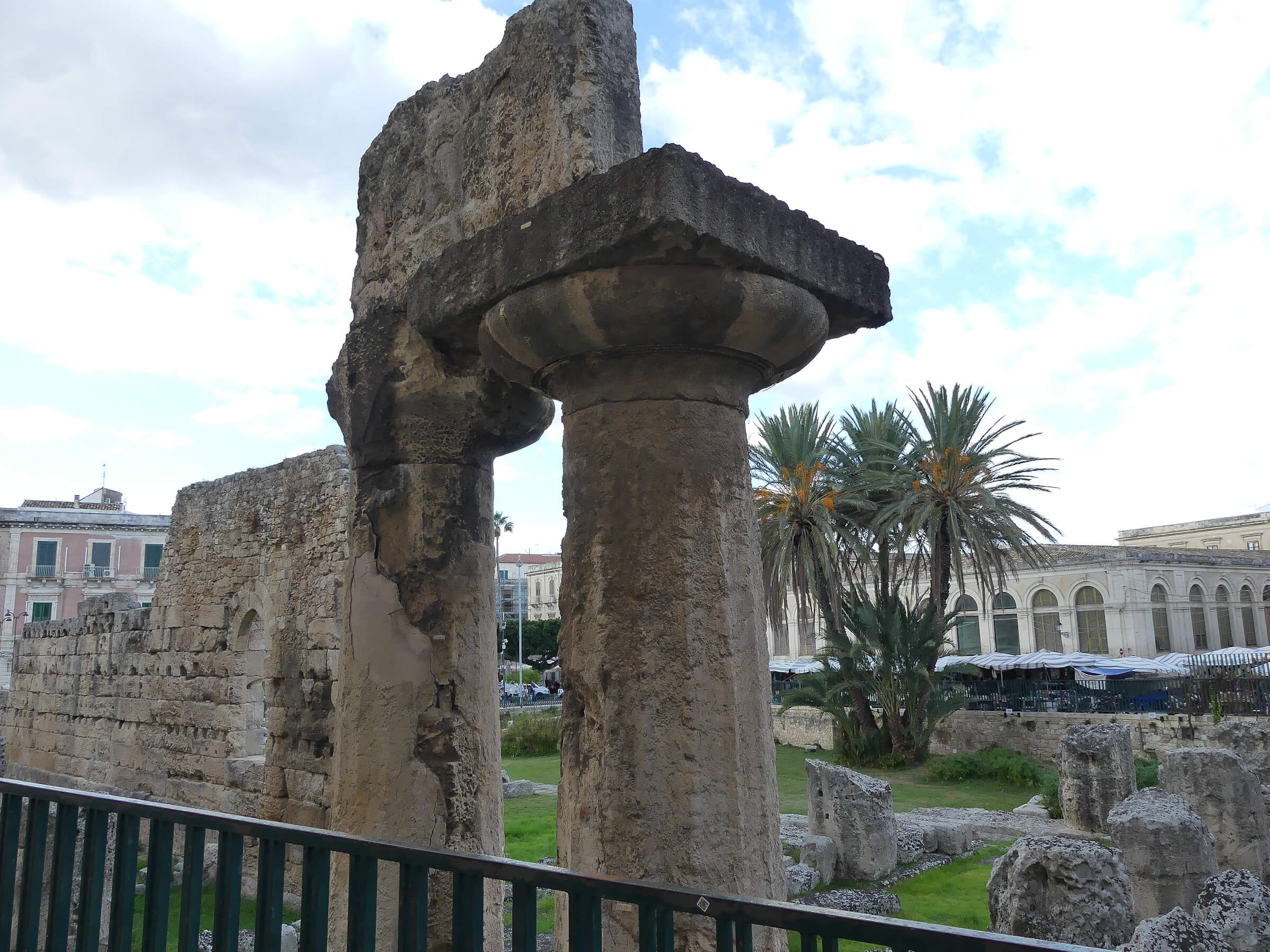
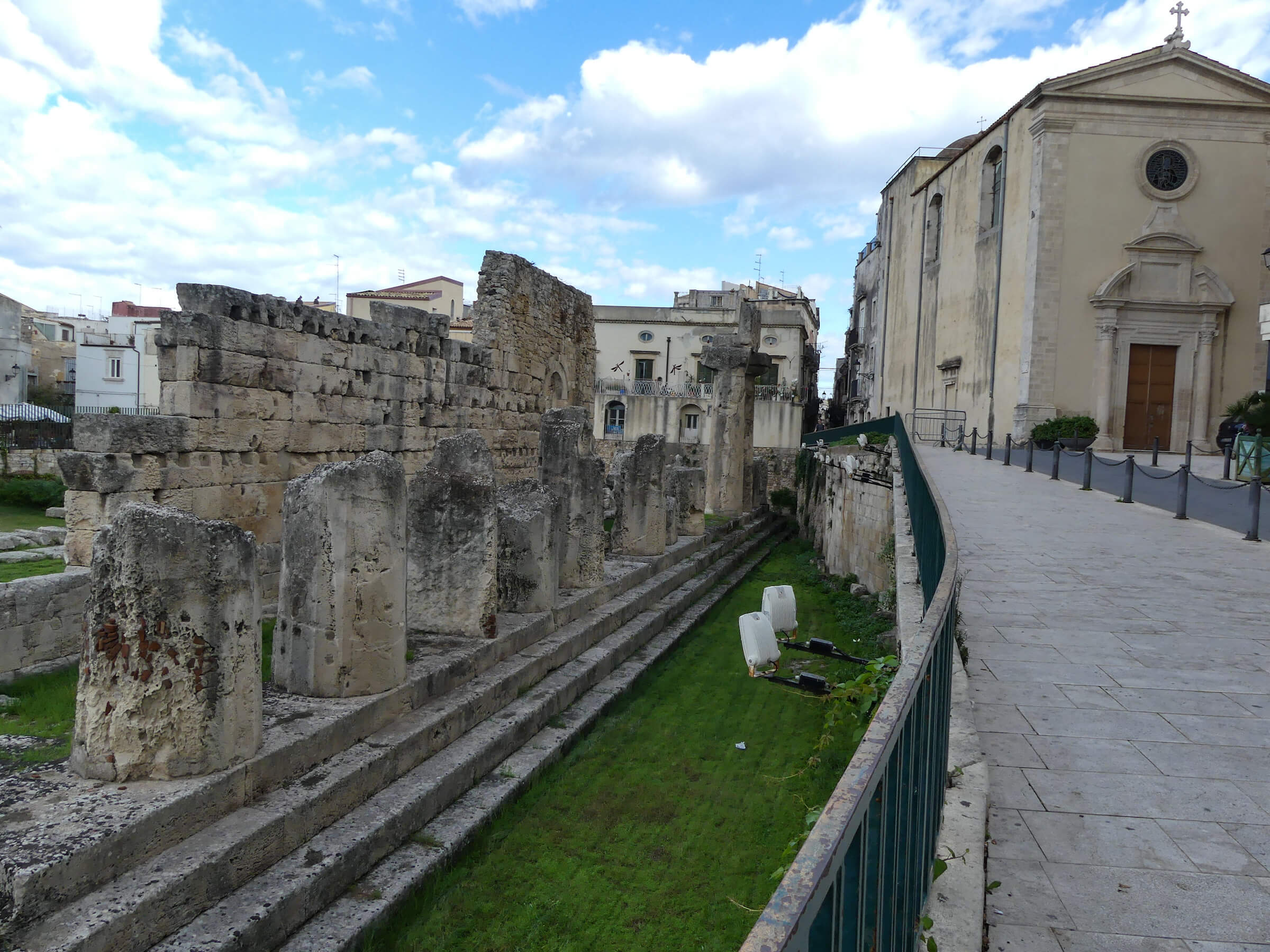
The Città Vecchia (Old City) still follows the layout of the ancient Greek city: diminutive streets interspersed with open piazzas all of which can be visited on foot. Piazza Pancali is visible almost immediately after crossing the Umbertino Bridge the site of the Temple of Appolo. It is the most ancient Doric temple in Sicily (6th century B.C.).
Click on an image to enlarge and use the back arrow to return to the post…
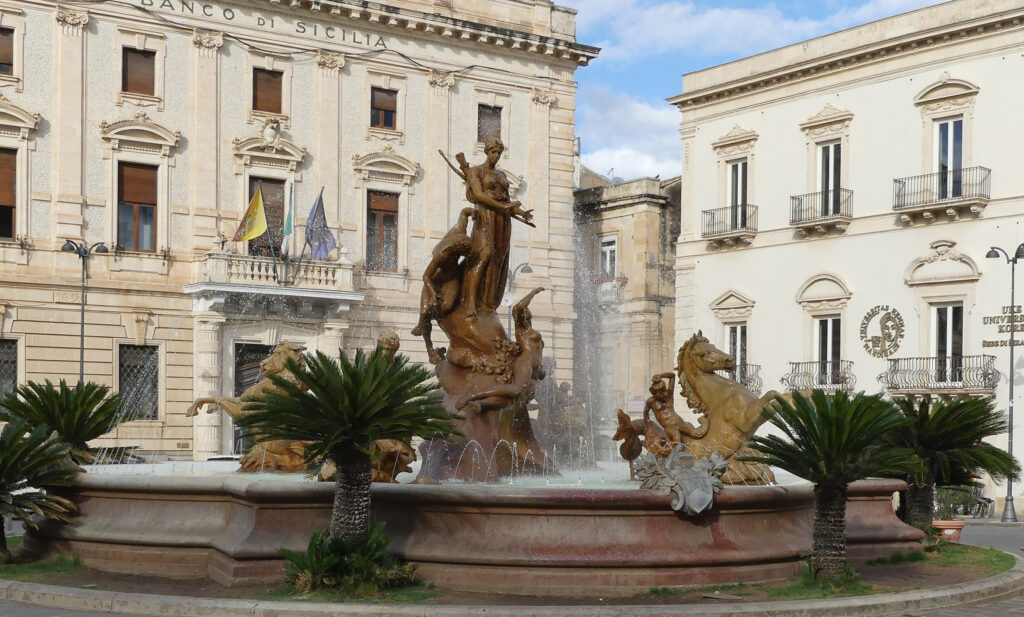
A rather pleasant stop is the Piazza Archimede (1878) which features the Fontana di Diana (1907)…
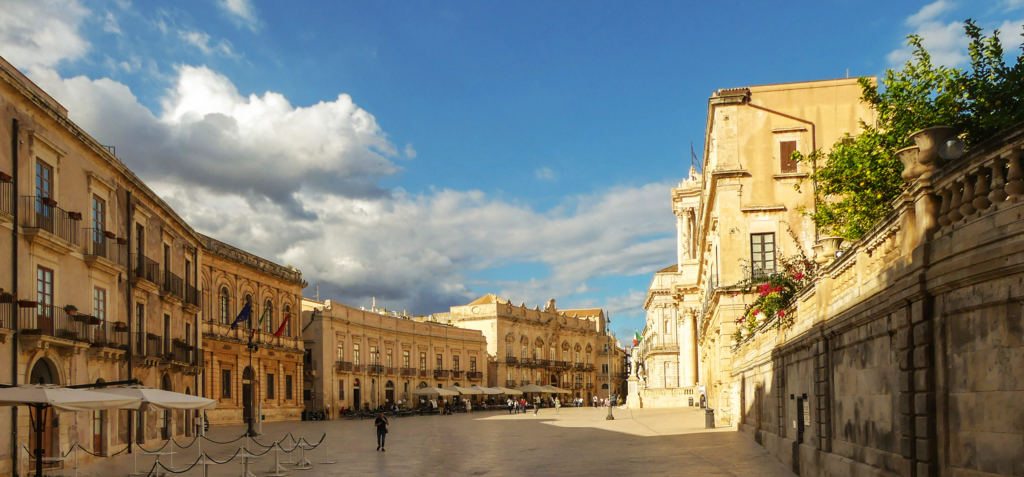
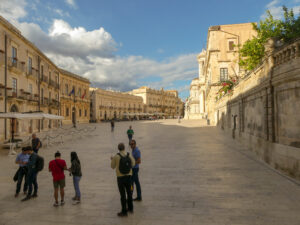
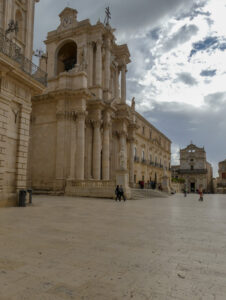
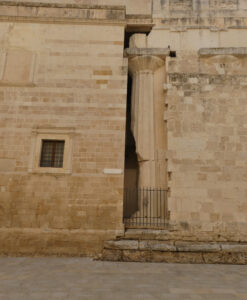
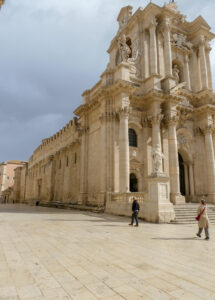
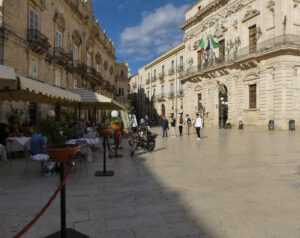
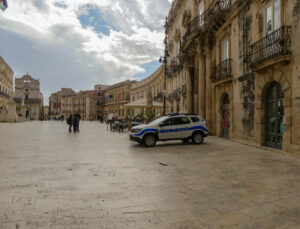
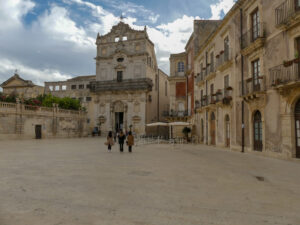
The heart of the island is the Piazza del Duomo, seen on a lovely sunny day you can only stand and admire the spectacle. Unfortunately, in 1693 most of southeastern Sicily was devasted by an earthquake. Consequently, most buildings were destroyed…what we see now has been rebuilt in the Baroque style with the same white stone used by the Greeks originally. Interestingly, the Cathedral di Duomo has columns from the former Temple of Athena (Greek) incorporated into the cathedral (see pic below)…
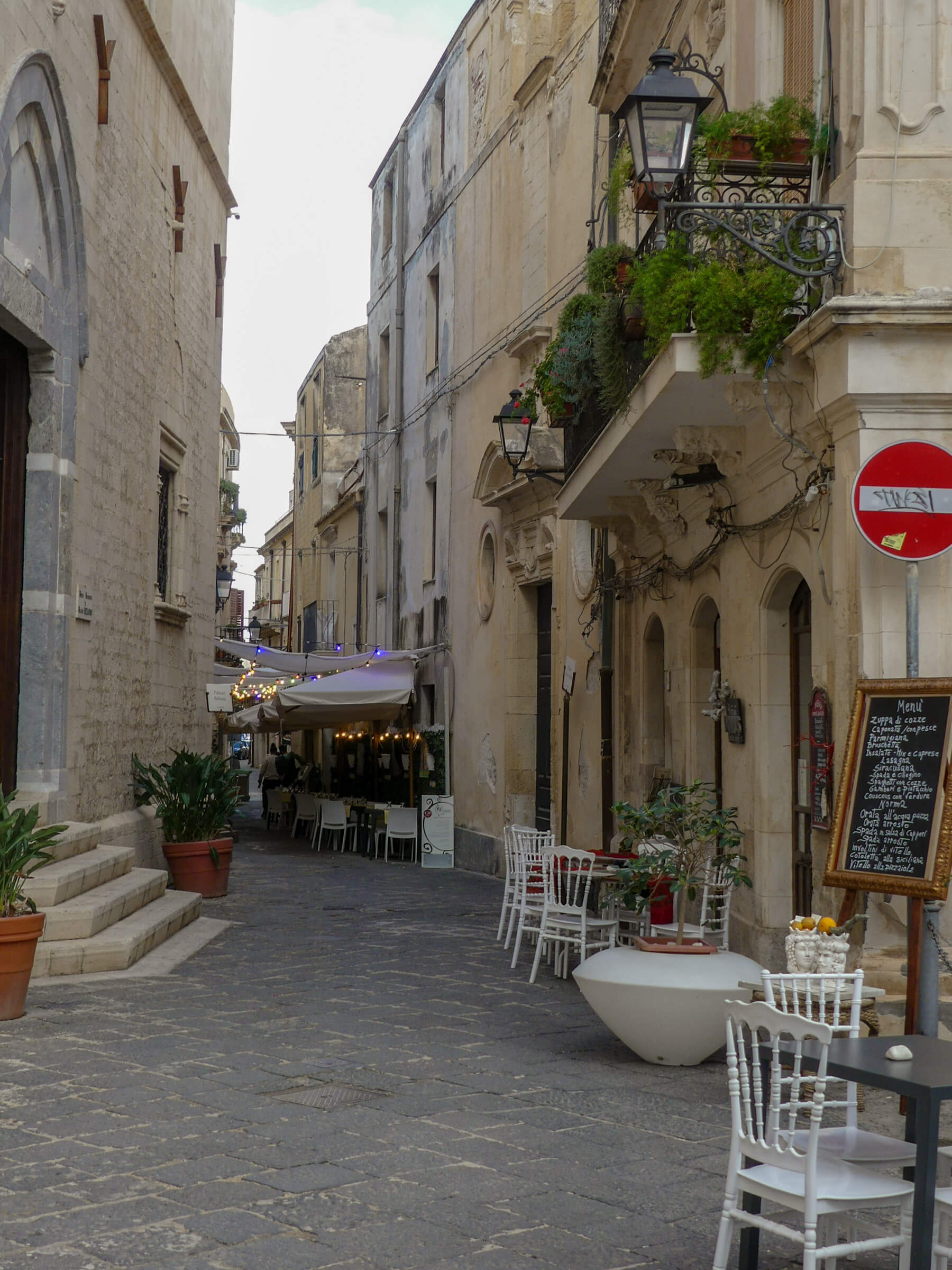
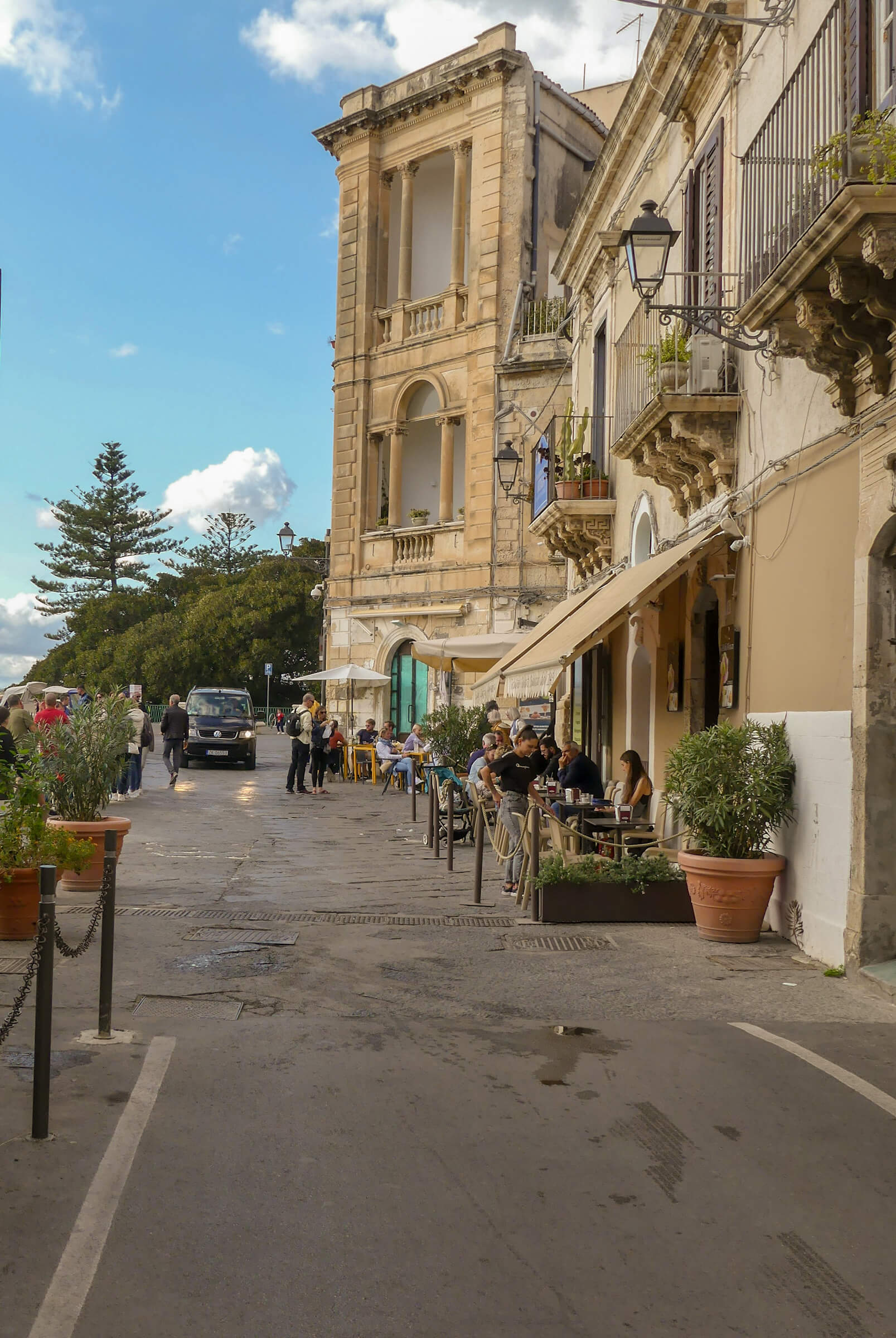
The side streets and alleyways are often a little rough especially when you walk further from the center, nevertheless, they have their own charm with interesting shops and eateries popping up hither and thither…
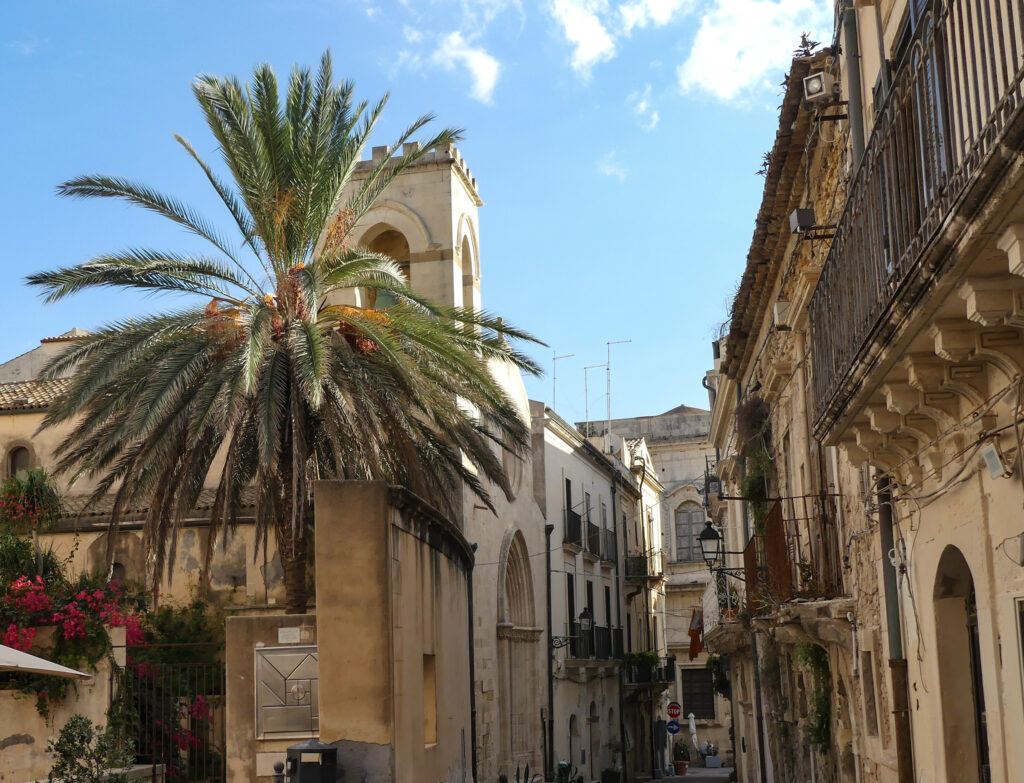
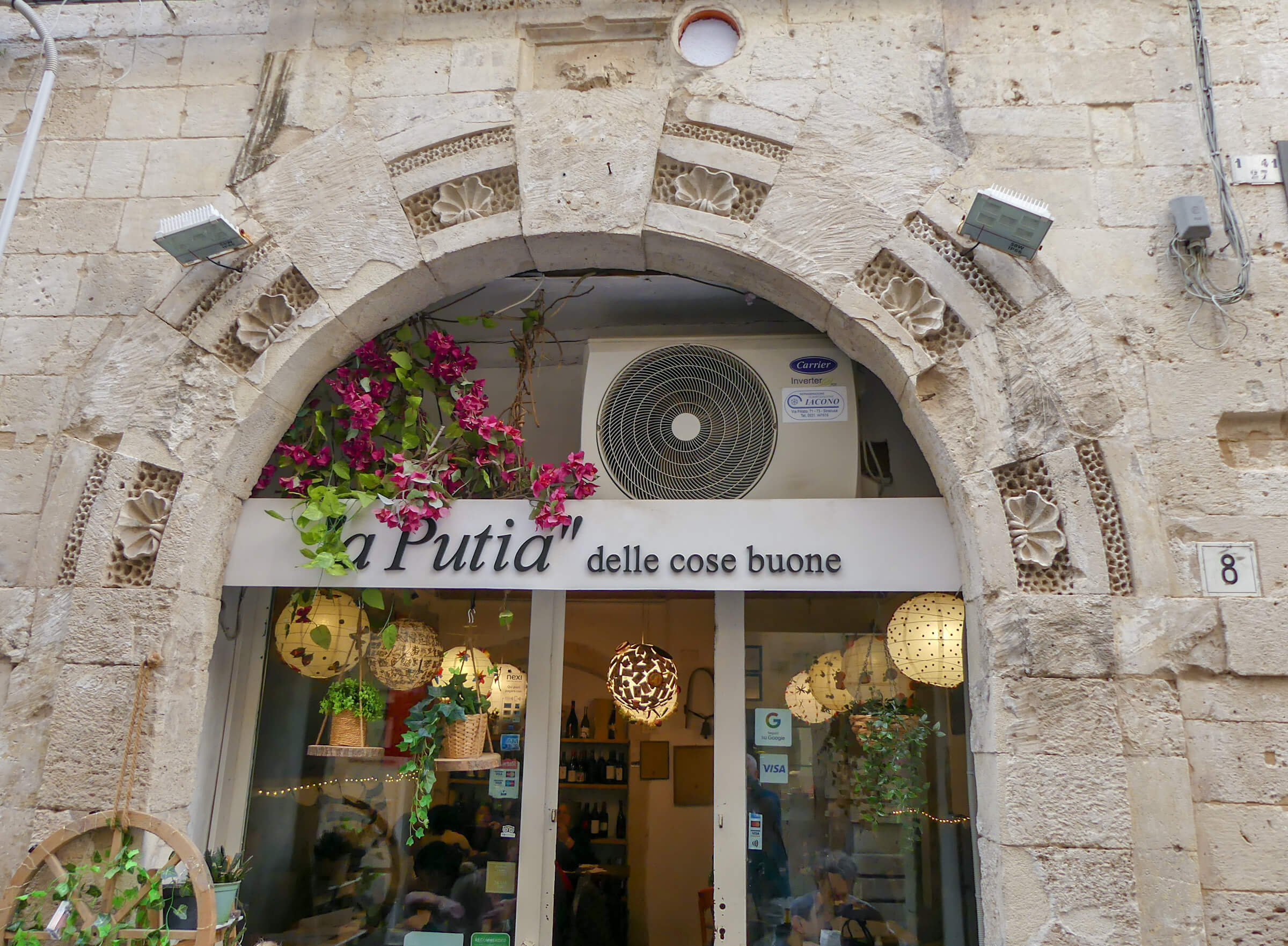
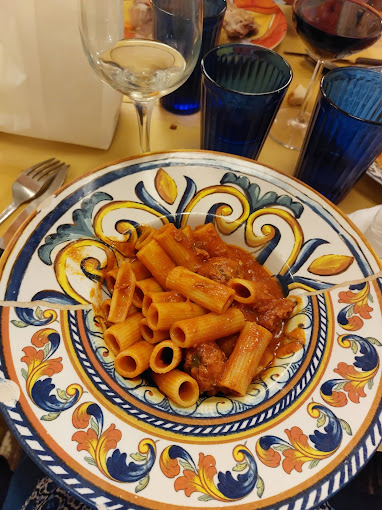
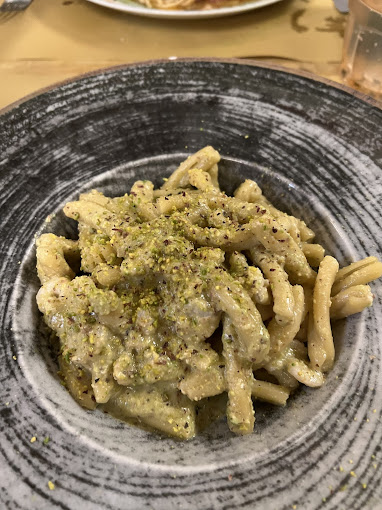
We could not resist one such place and while some others were consulting the menu we took a command decision and “grabbed” the remaining table…a very wise decision, it stayed at overflow throughout the lunch period and we enjoyed an excellent lunch at La Putia one being the Pasta alla Norma, a yummy eggplant and tomato-based dish. and the other a Pasta with Pistachio Pesto…
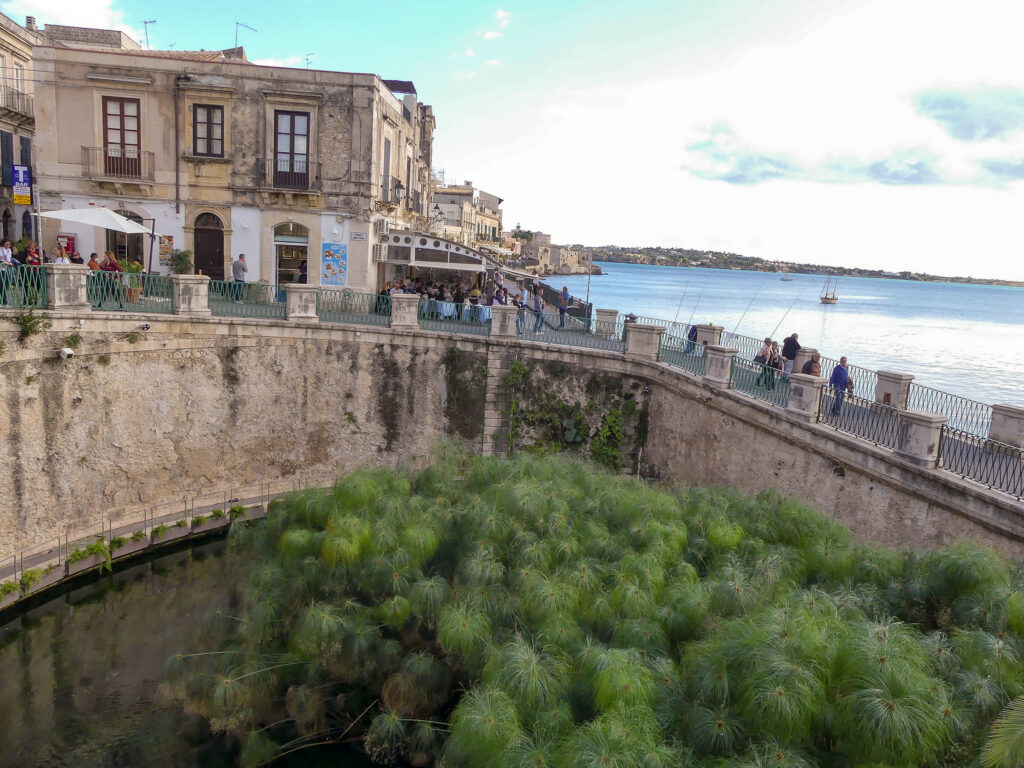
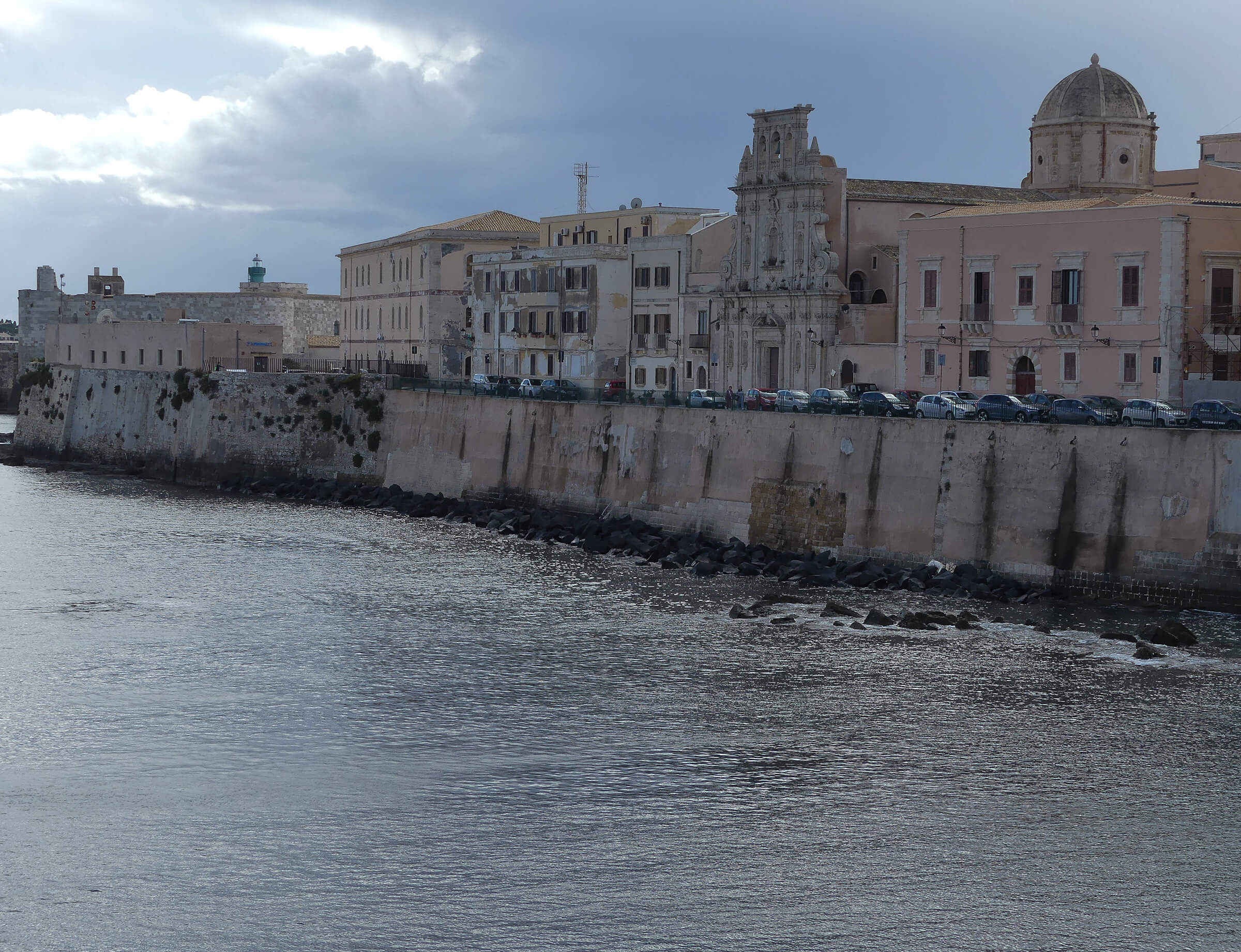
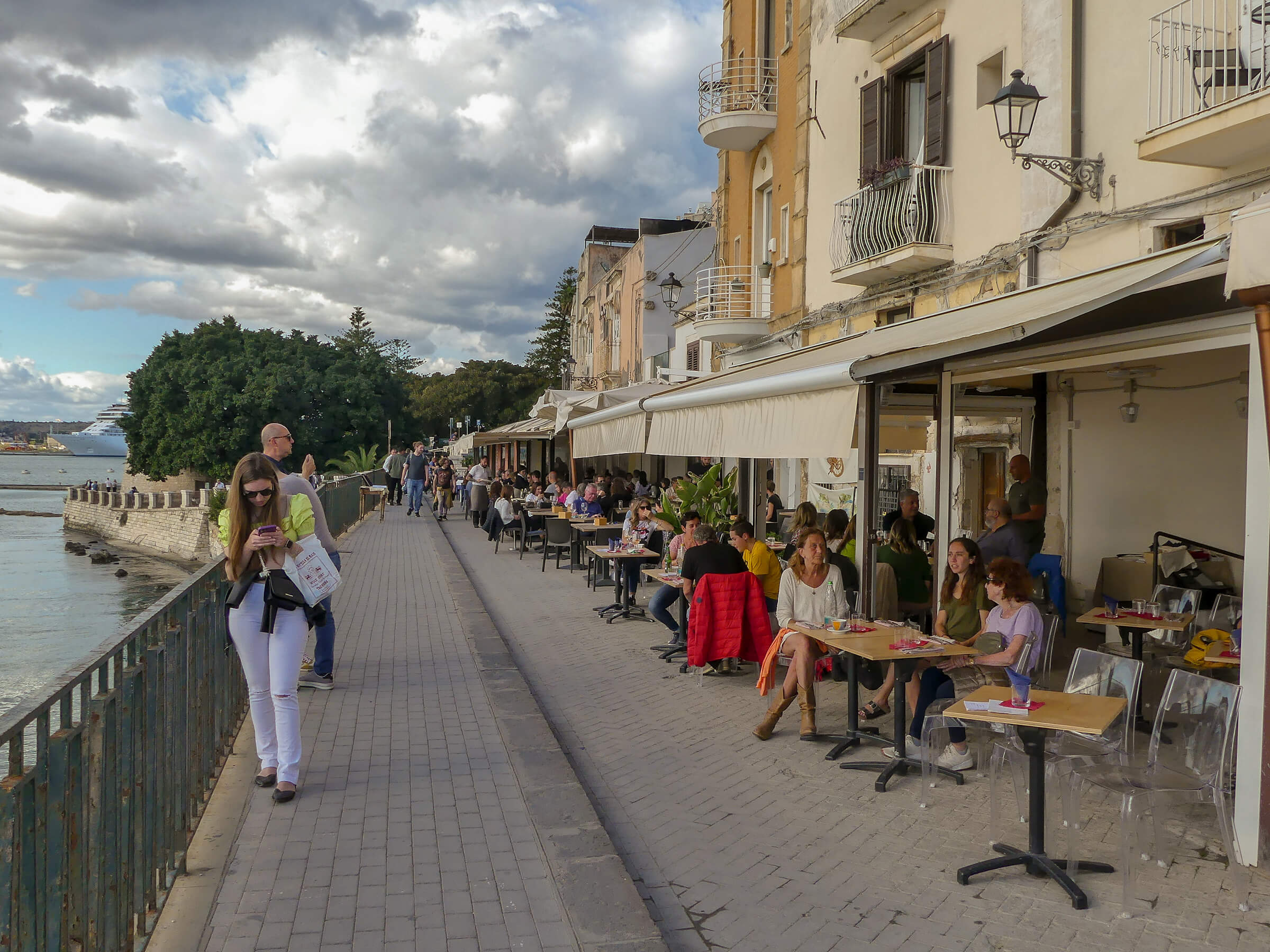
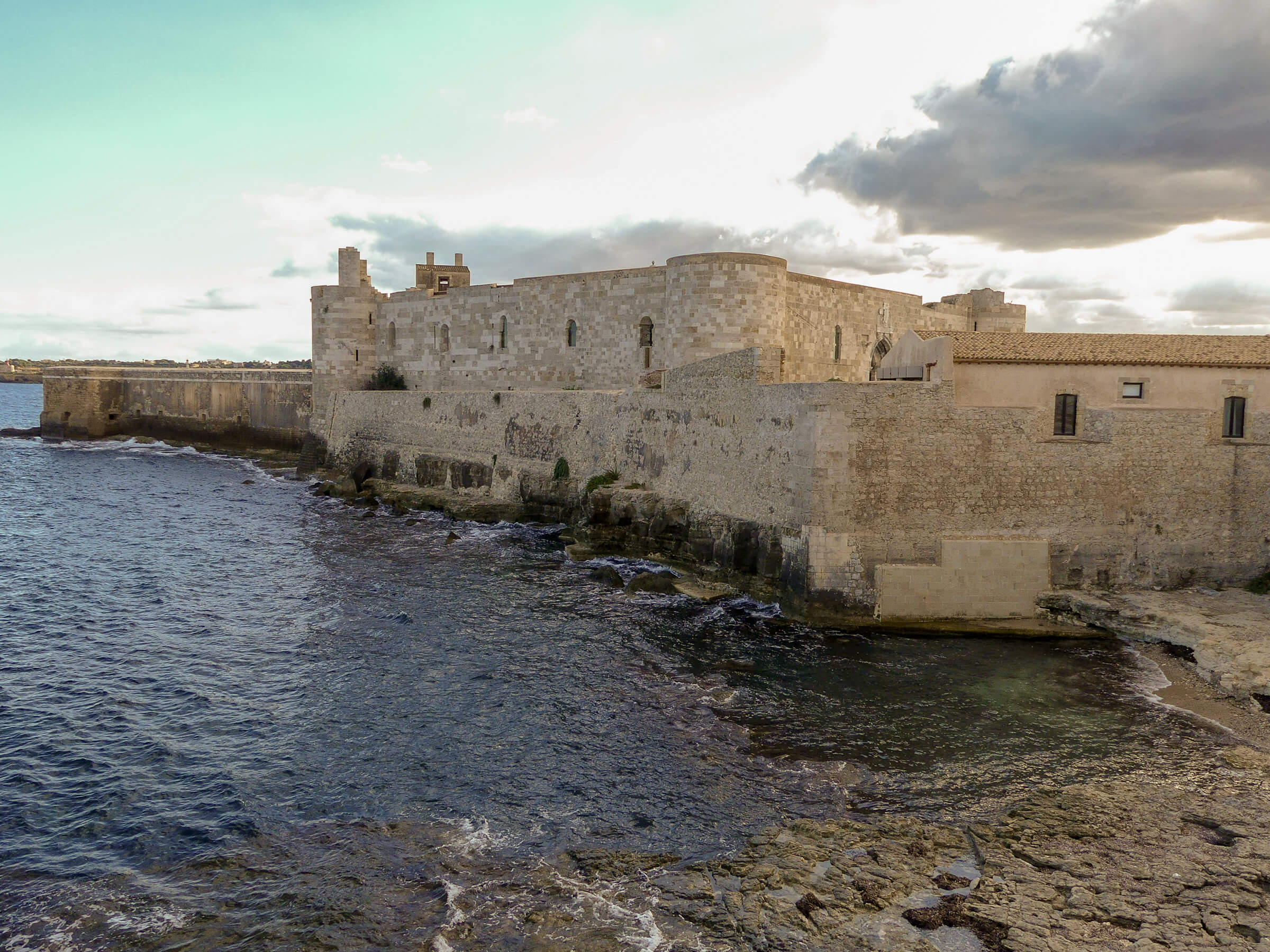
Fortified we carried on towards the waterfront promenade and the Ionian Sea…below the Fonte Aretusa which was the original freshwater water source for Siracusa. Looking down we could see large mullet, supersized goldfish, and happy ducks and geese. The green wispy plants are the only wild-growing papyrus in Europe, save for Greece. These plants apparently are descended from actual Cyperus Papyrus Linneo plants gifted to a Ruler of Siracusa centuries ago… as well as some other photos of the waterfront which is a very chill place…
November 6th
We have read that the Neapolis Archeological Park is well worth visiting, it is about a 30-minute walk from our AIRBNB and it is another sunny lovely day…it seems a bit cool so we put on some warmer clothes …by the time we get to the park the sun is beating down and we regret our clothing decision. The entry fee is 15 euros each but today is a “free” day, so I guess we will enjoy a “free” lunch after the visit. We have elected to go on a self-guided tour as there are explanatory placards and the park provides a brochure & map. They recommend visiting the site in chronological order which seems logical…
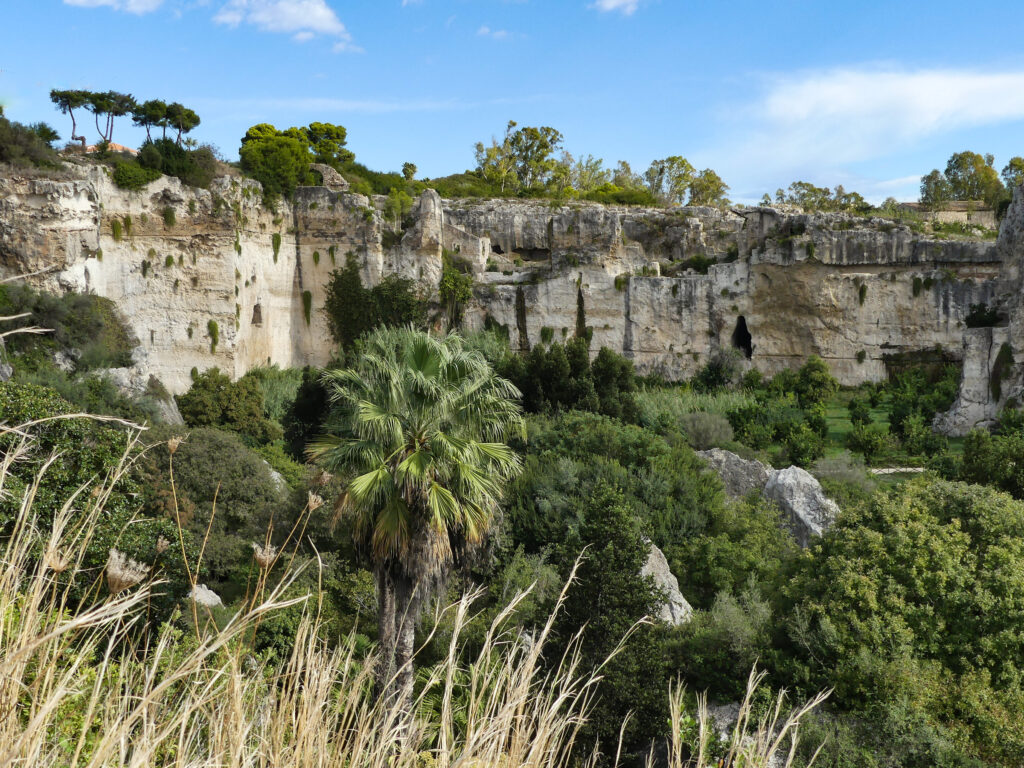
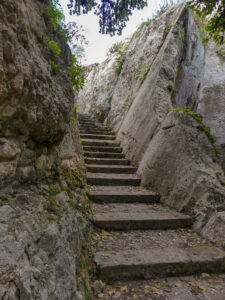
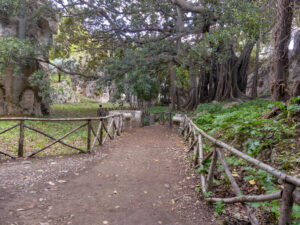
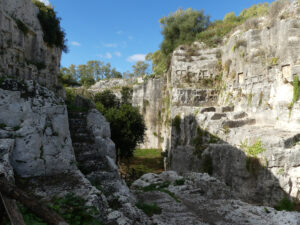
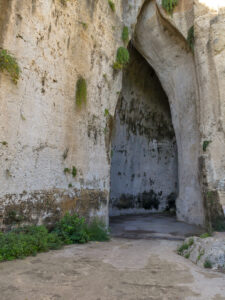
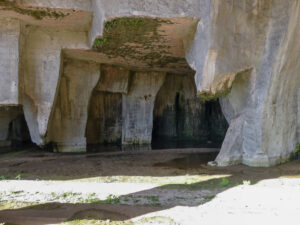
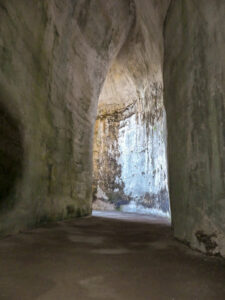
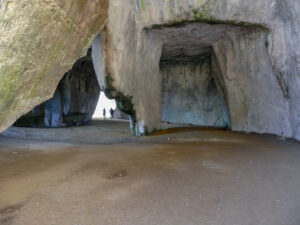
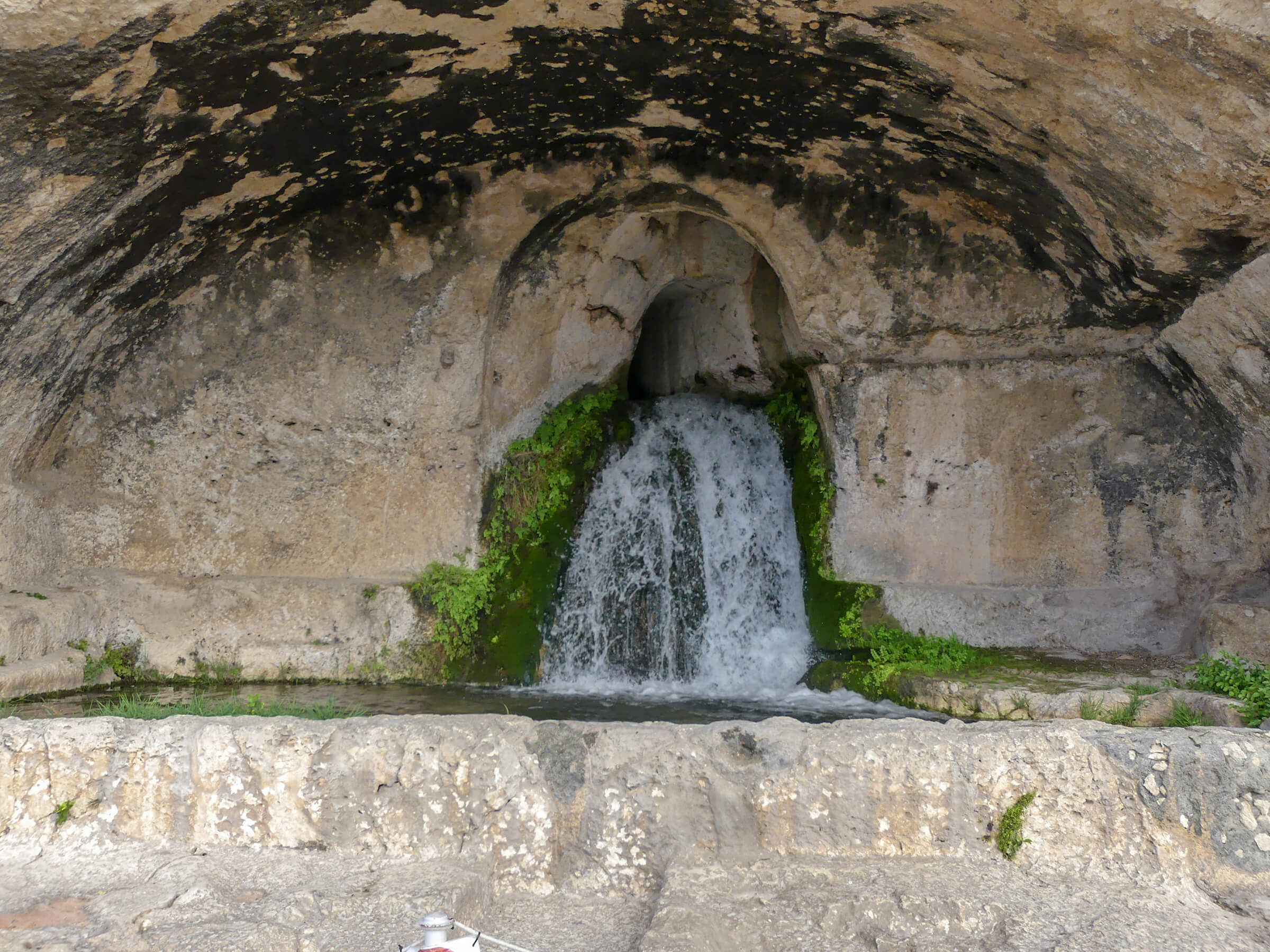
The Latomia del Paradiso, the Paradise stone quarry. In ancient times it looked very different and was a place of work and a prison for slaves. Nowadays it’s a beautiful garden with vegetation made of Mediterranean and exotic plants: orange and lemon trees but also palms and ficus trees. Inside the quarry, there are several caves of interest:
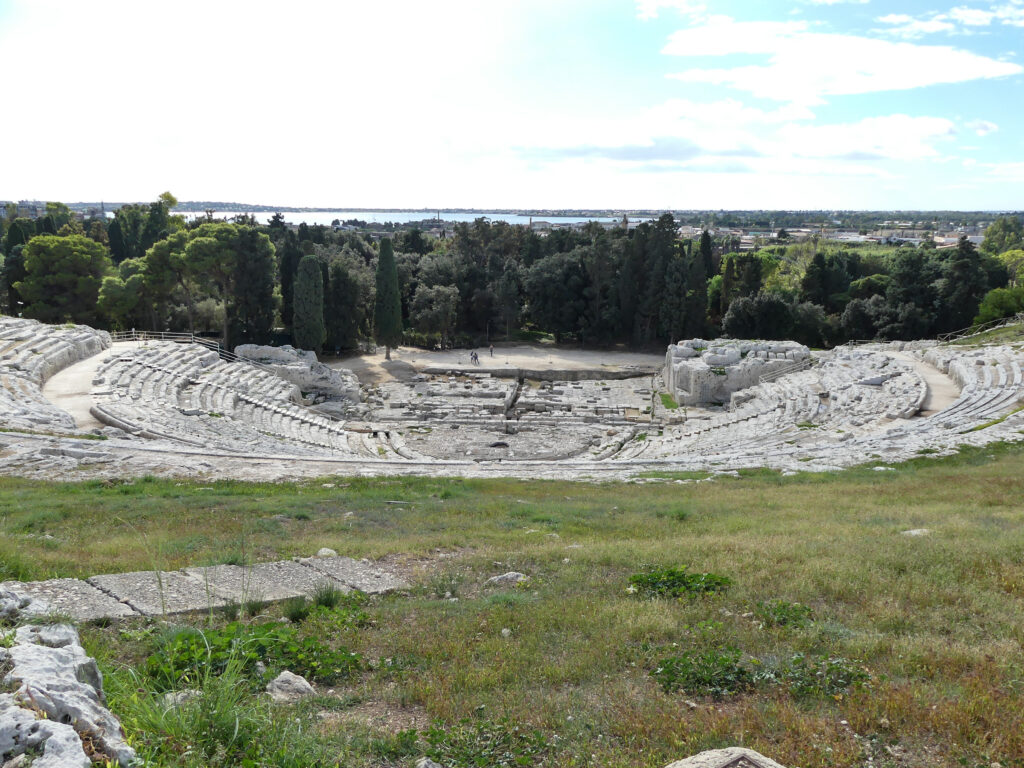
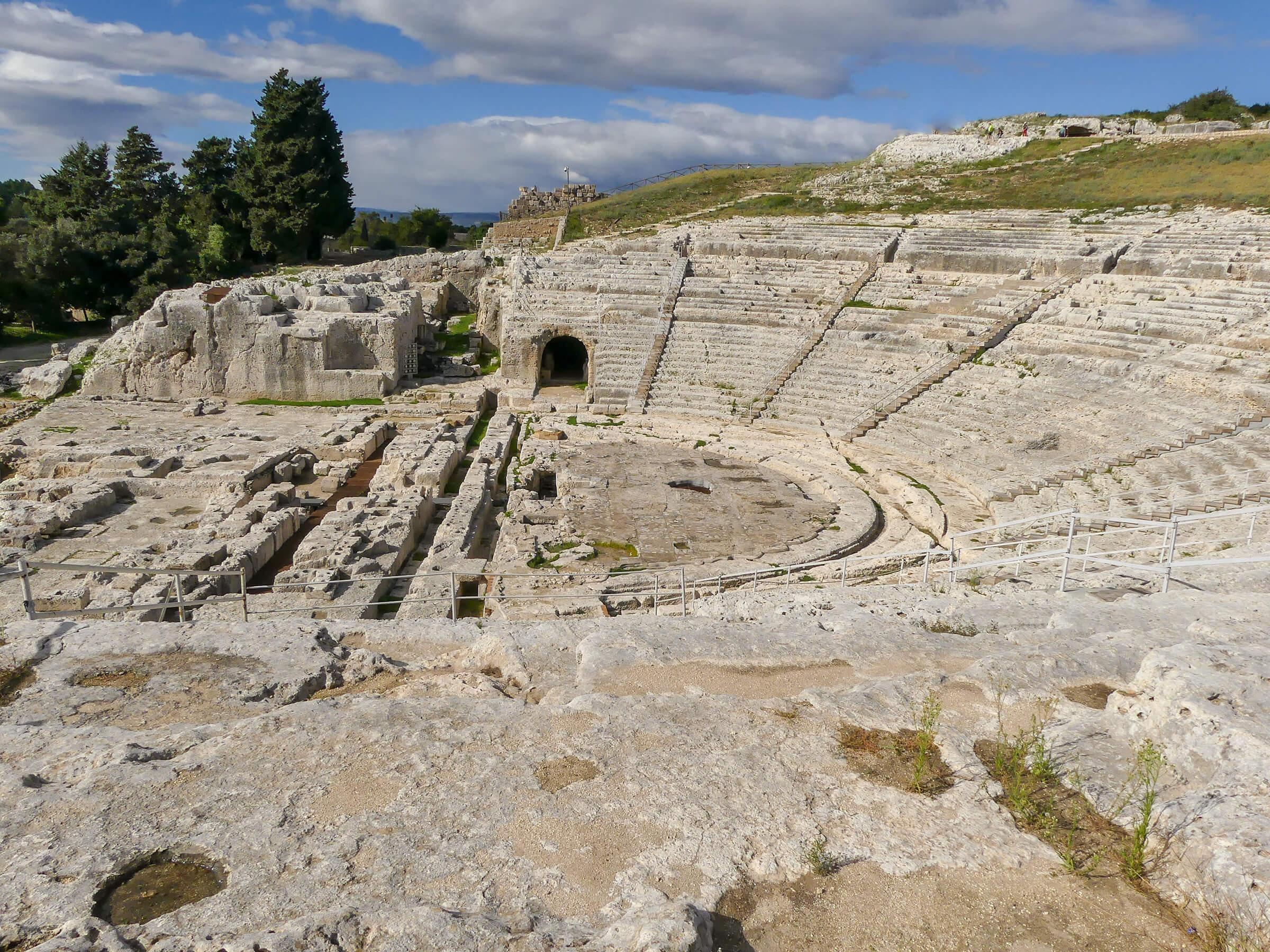
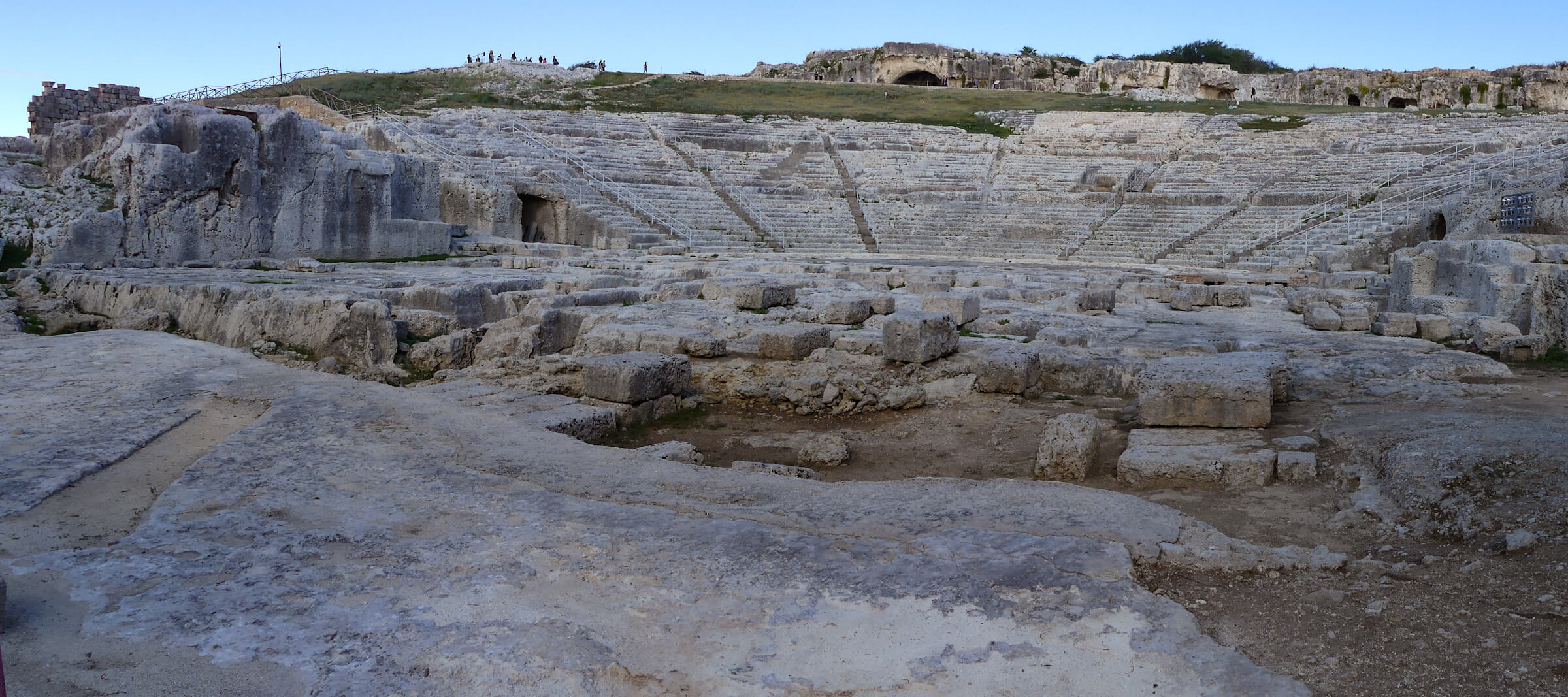
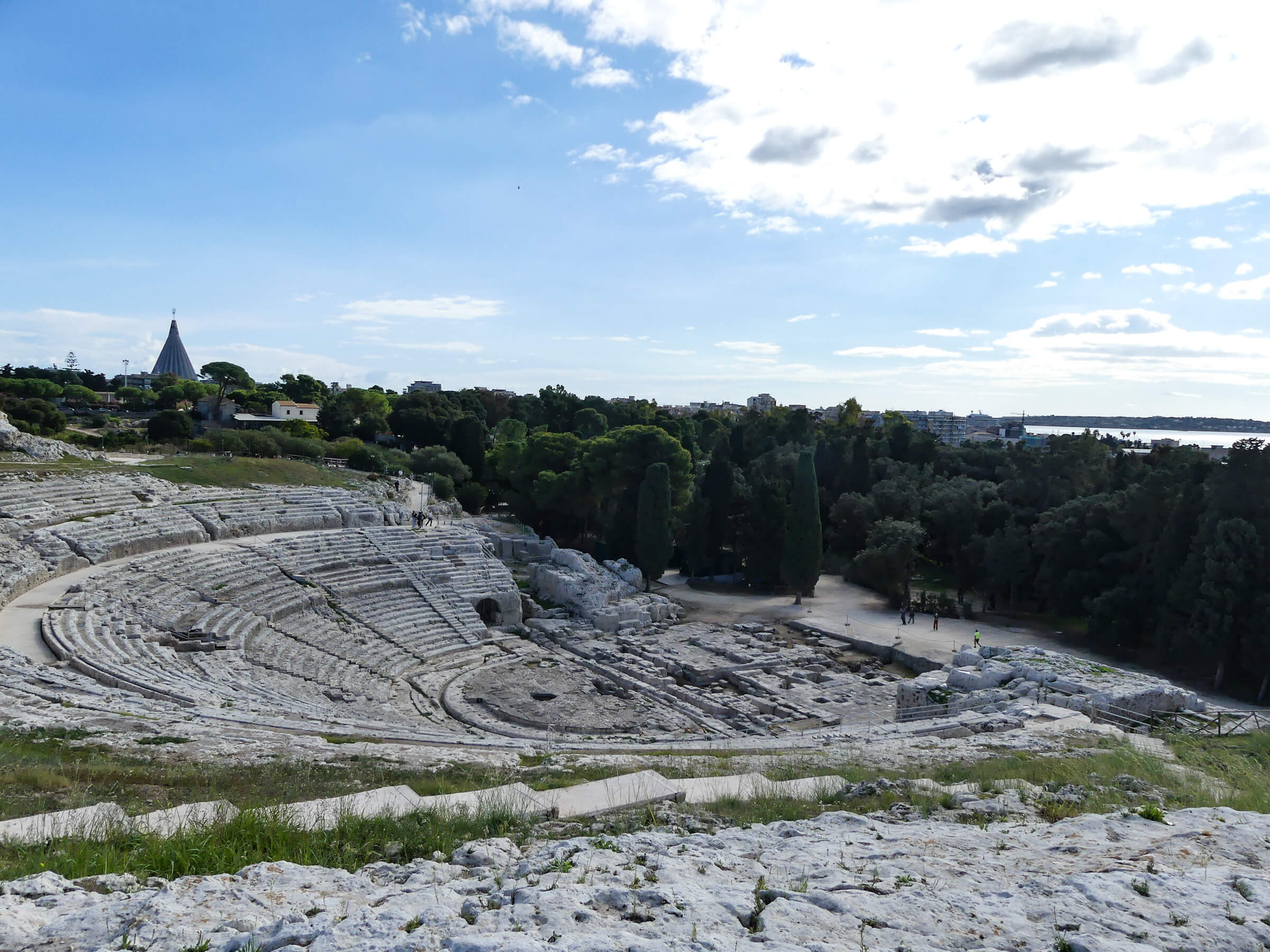
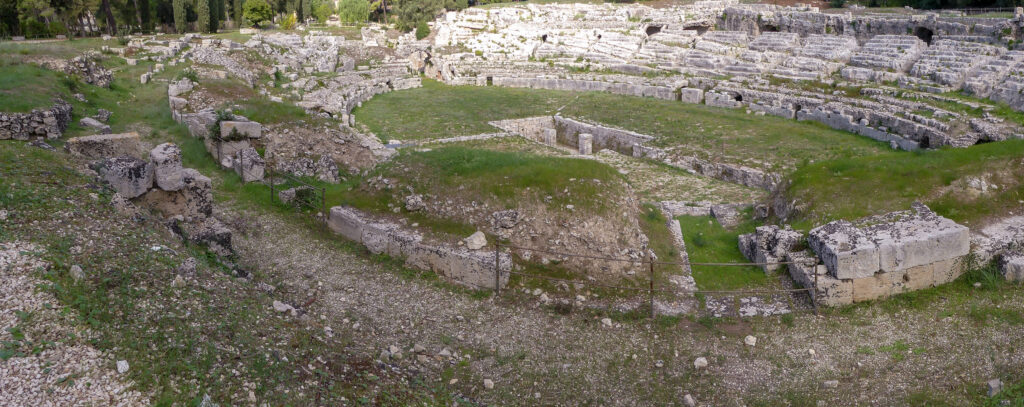
The Greek Theater of Syracuse is an impressive monument dug into the rock of the Temenites hill. The ancient Greek theater in Syracuse was built between the 5th and 3rd century B.C. and it is estimated it could probably hold 12,000-14,000 spectators.
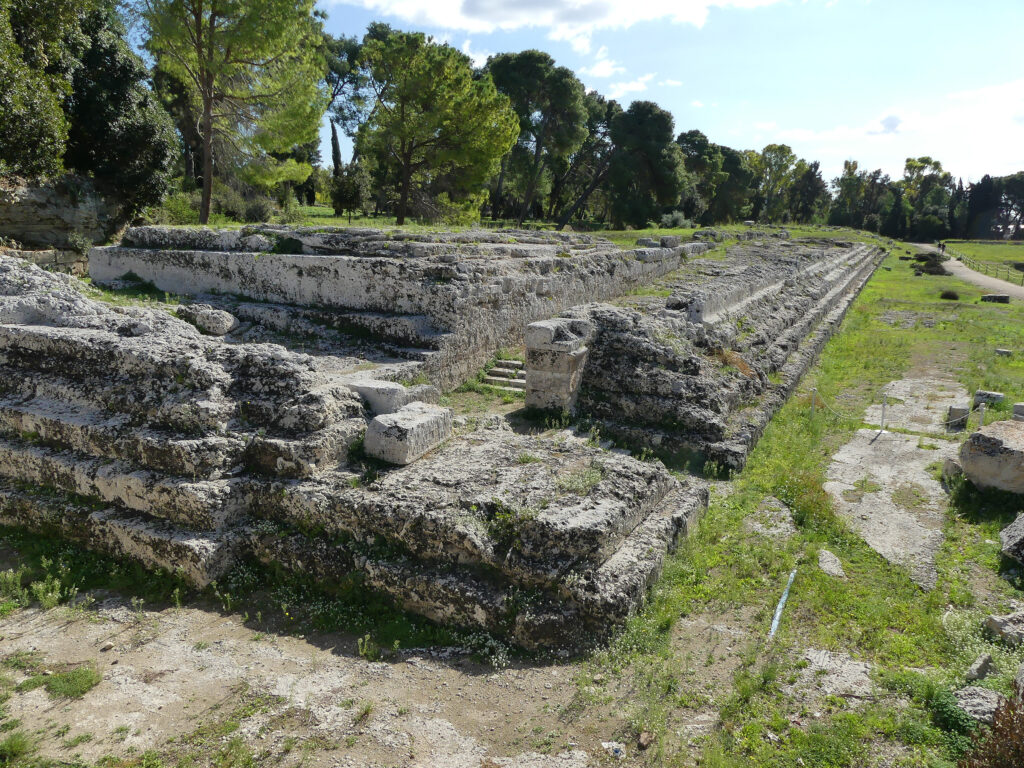
The altar of Hieron II, dedicated to Zeus and the largest stone altar built in the Greek world. It is almost 200 m long and according to tradition, up to 450 bulls were sacrificed here on the occasion of the feasts that commemorated the expulsion of the tyrant Trasibulos. This must have been a serious bloodbath …just standing there and contemplating the goings on was a mind-bender!!
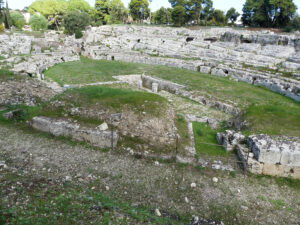
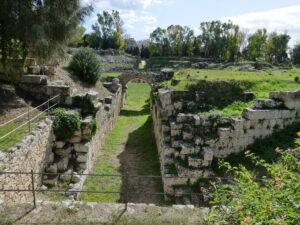
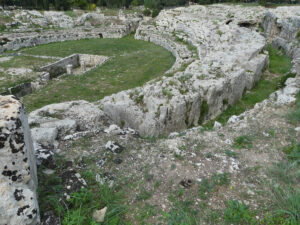
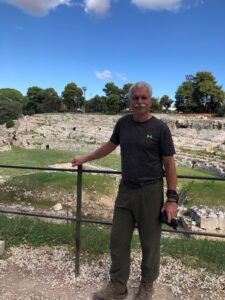
The most ‘recent’ monument, a Roman amphitheater was built during the Roman period (300-400 AD) and was one of the largest amphitheaters in Italy (measuring some 140 m by 119 m or 460 ft by 390ft). Unfortunately, only a small part is still visible nowadays. The part visible was carved into the rock while most of what was built of stone blocks was dismantled by the Spanish in the 16th century to build fortifications of the island of Ortigia. The statuary and other adornments were also looted in that time period. Its main function was to stage the bloody fights between gladiators or gladiators and wild beasts took place >>> standing there one can sense what this spectacle felt like!!!
After this excursion, we trudged back to our “neck of the woods” and decided on a late lunch, being a bit “latined out” we opted for some Indian food, we have done this in past travels and carried on the “tradition”….it was pretty tasty !!
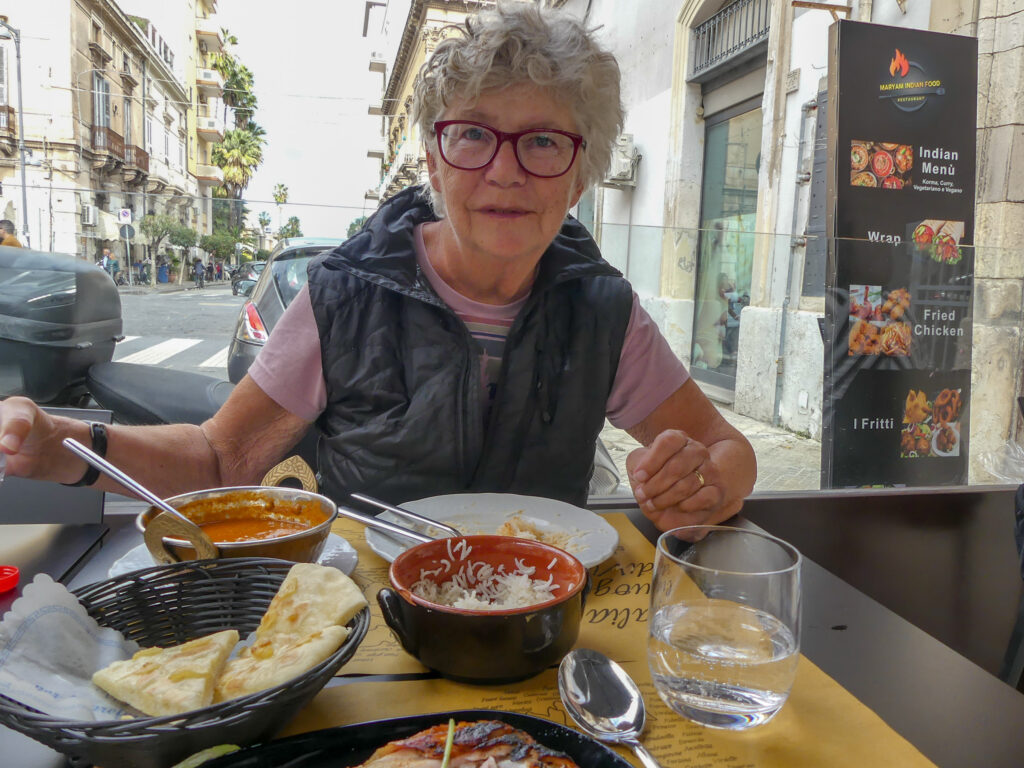
November 7th
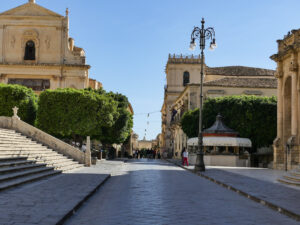
According to the guidebooks, blogs, etc., there are three very interesting and pretty Baroque towns in southeastern Sicily: Noto, Modica, and Ragusa …opinion differs on which is the nicest. Unfortunately, we do not have the time, and in any event three may be overkill….so we have decided to take a day trip to Noto. The morning is stunning as we head out, it is a short drive of about 40 minutes, however, we get a bit turned around before we find the right place to park and enter the Centro Storico, with the help of a local who pointed us in the right direction…
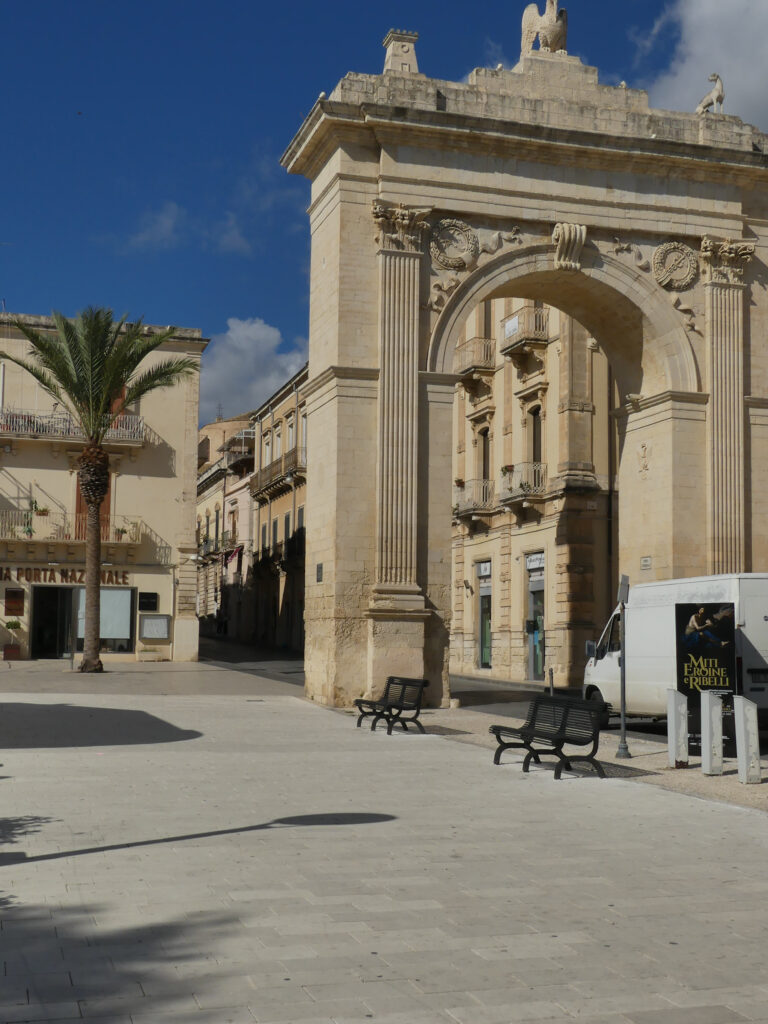
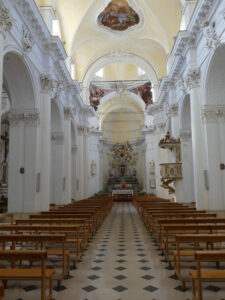
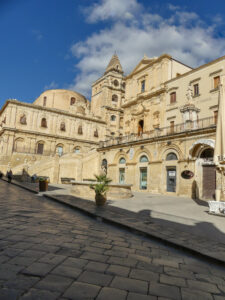
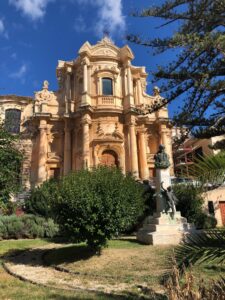
The Centro Storico is not large and quite walkable…we have been spoiled by the Baroque buildings in Taormina and Ortigia but with the few visitors and the superb conditions it is a real pleasure to view these well-preserved buildings. The earthquake of 1693 was responsible for this as the original town was razed and subsequently rebuilt closer to the Ionian Sea on the left bank of the Asinaro River.
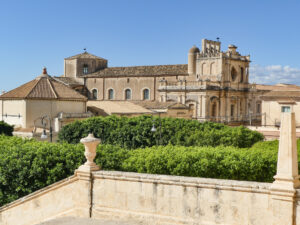
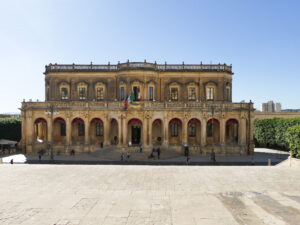
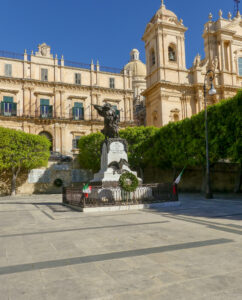
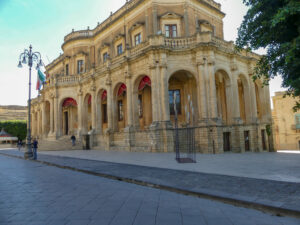
A nice visit and Noto is a town worthy of an overnight visit or as a base to visit the other two Baroque towns nearby. Back at the AIRBNB as we prepared for dinner we heard a large number of sirens literally outside our door… I ran out to see what the fuss was and there was a car on fire some 20 meters from our car, YIKES!!! In any case, we never learned what caused the fire but our vehicle didn’t suffer any damage, although a car parked closer did sustain some. A very nice dinner at Eight O’clock (name of resto not our time of arrival) to celebrate the last night of a very pleasant visit to Syracusa/Ortigia >>> excellent meal, but we got so caught up in eating we forgot to take some pictures.