Vejer de la Frontera to Frigliana, Spain ….. another longish stay in a hilltop village
Categories France & Spain Road trip 2025....on the road yet again, Spain 2025, 2024, 2017October 11th to 18th, 2025
Today we are heading from Vejer de la Frontera to Frigliana, a journey of some 275 kilometres which should take us 3.5 – 4 hours. Our stay in Vejer was very pleasant, the apartment well well-suited to our needs and the hosts were quite helpful. It is a great base to visit the surrounding towns and villages, and the many beaches catering to most people’s tastes. If anyone is thinking of visiting this area, this village and this AIRBNB would be a great choice…one caveat: if you have a mobility issue or simply don’t like going up and down steps, this may not be for you.
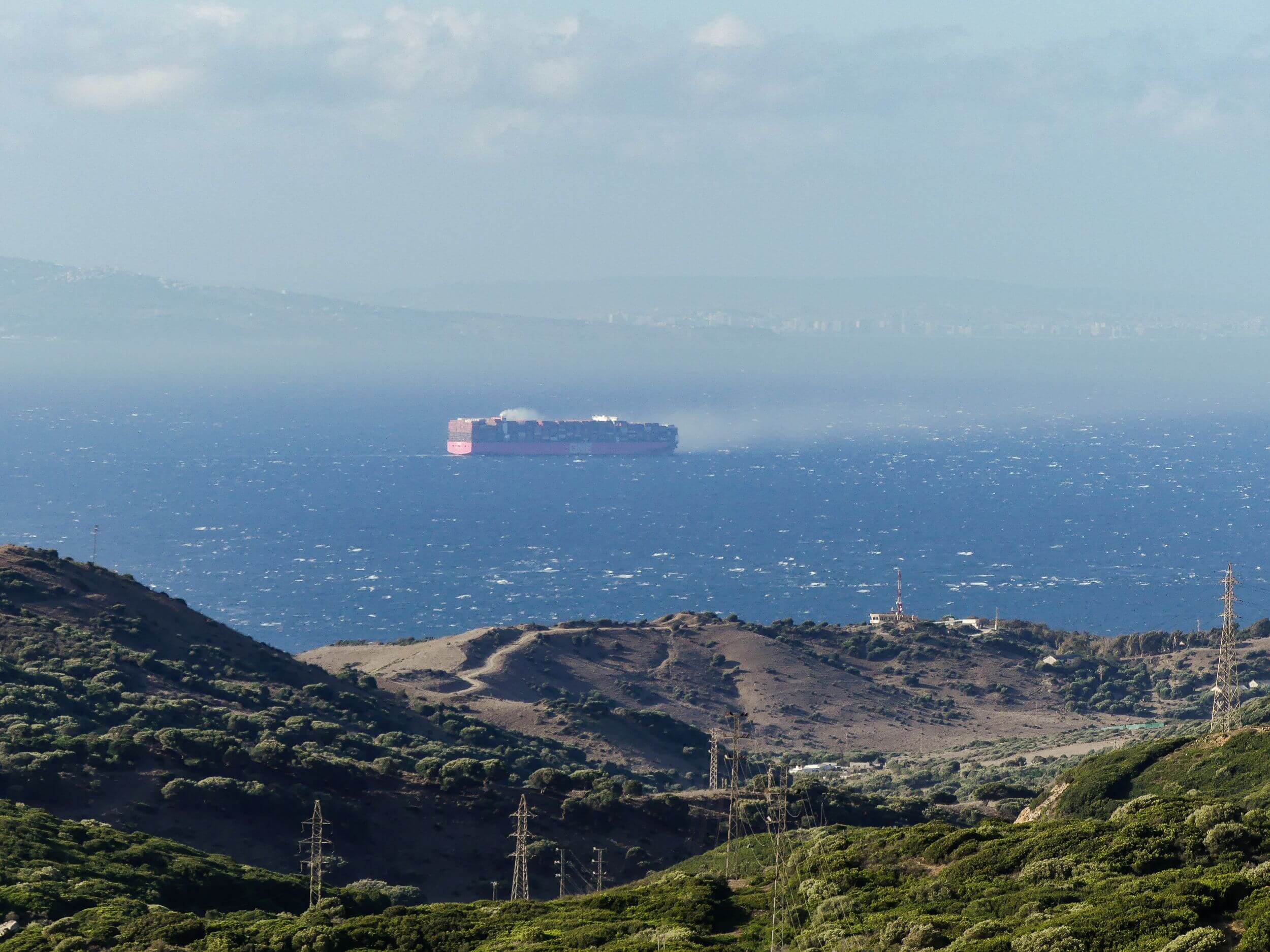
As we were driving, we saw that the route would pass very close to Gibraltar …we had thought about visiting Gibraltar from Vejer, but it would have made for a very long day trip. However, on a whim, we decided, why not at least get a peek at the “Rock”? While driving into Gibraltar is possible, it is more complicated since it is not an EU country, hence customs, immigration lineups, etc. The first picture below is of a ship traversing the Strait of Gibraltar, which at the narrowest point is about 14 kilometres (8.9 miles) wide. In the end, we drove as far as we could without crossing the border and then continued to Frigliana …maybe next time!
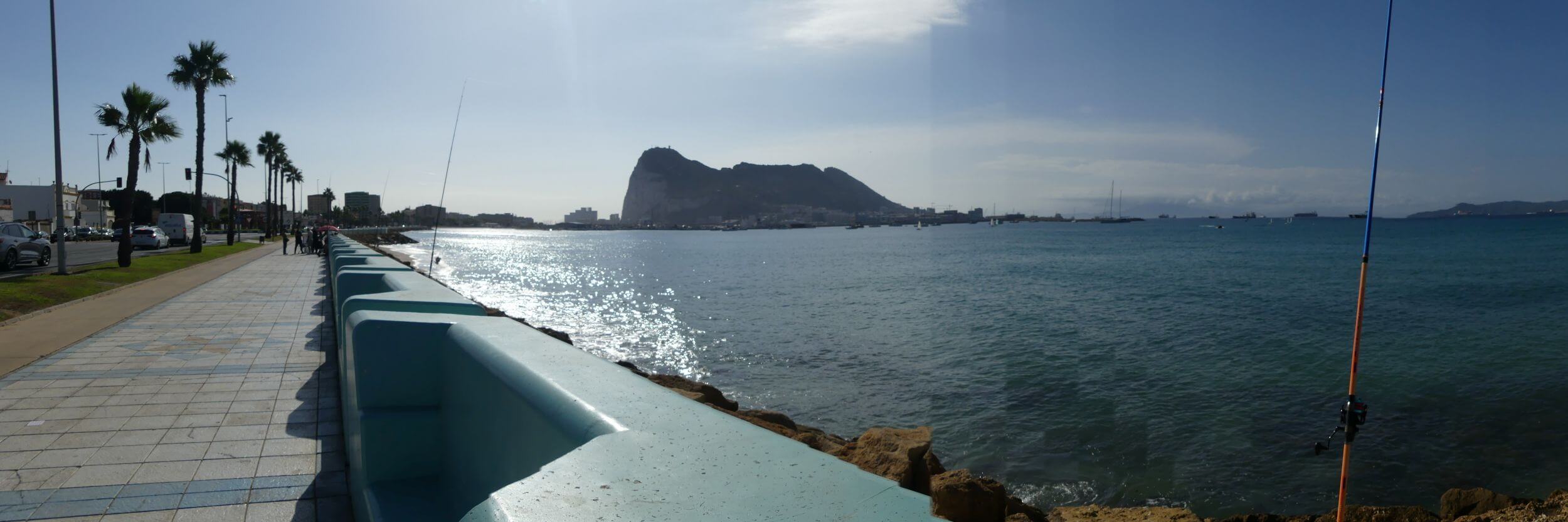
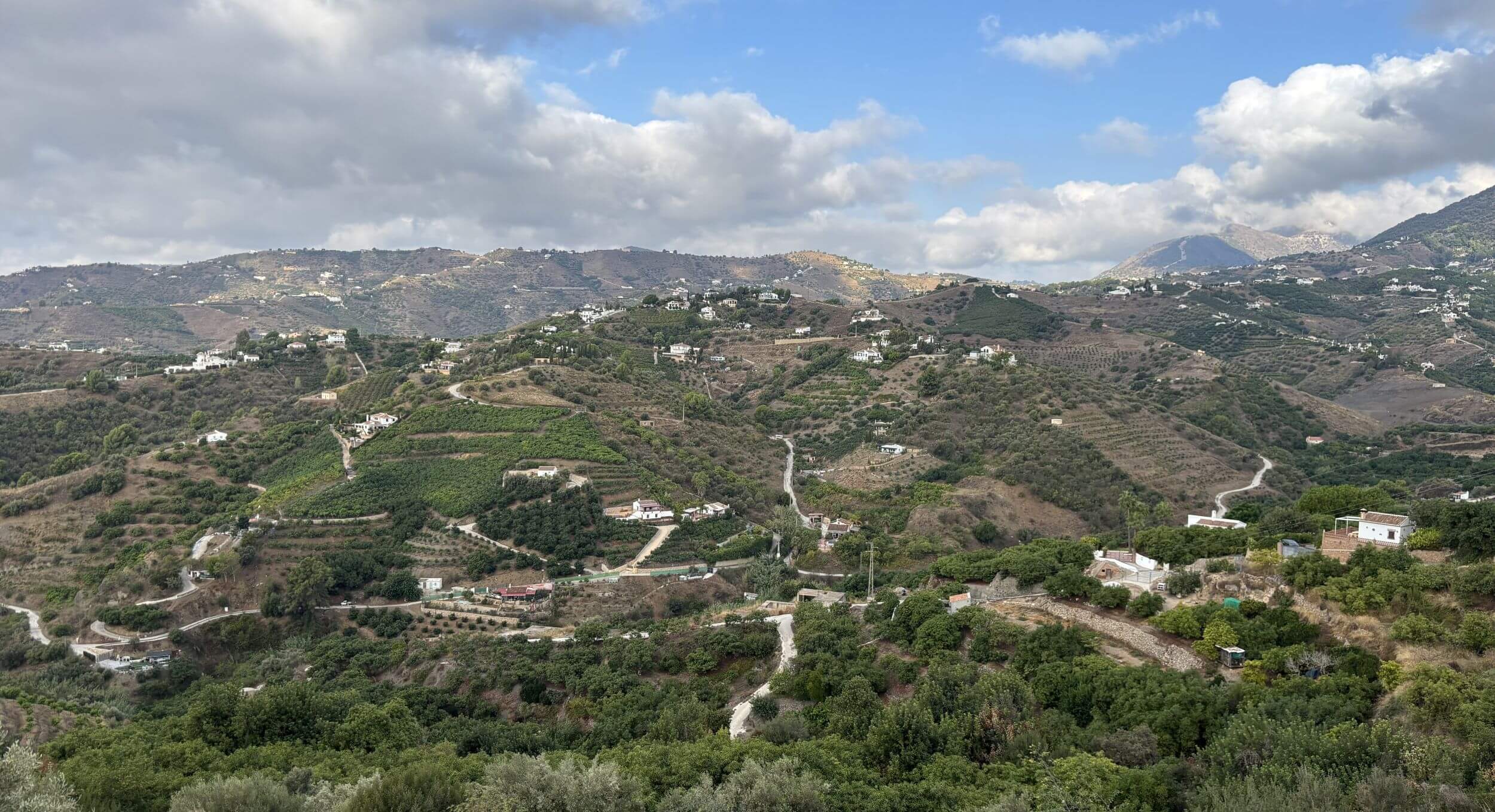
The drive follows a scenic coastal route along the Mediterranean, passing through the well-known beachside resorts of Estepona, Marbella, and skirting Málaga (an interesting town in its own right that we have visited in the past). It was an easy drive for the most part, and after doing a grocery run in Nerja, we drove inland from the Costa del Sol for the final climb to Frigiliana. The road wound gently through olive groves and whitewashed villages, offering dramatic views of the Axarquía hills and the sea below.
The village has roots dating back to Phoenician and Roman times, but it flourished under Moorish rule from the 8th to the 15th centuries. Its narrow, whitewashed lanes and terraces reflect classic Mudéjar design. In 1569, the town was a stronghold of the Morisco rebellion against Christian reconquest forces; many inhabitants were expelled afterward. In the 20th century, Frigiliana revived through agriculture—especially sugarcane—and later, tourism. Today, it is considered one of Spain’s most beautiful “pueblos blancos,” preserving its Moorish layout, artisanal traditions, and panoramic views of the Mediterranean.
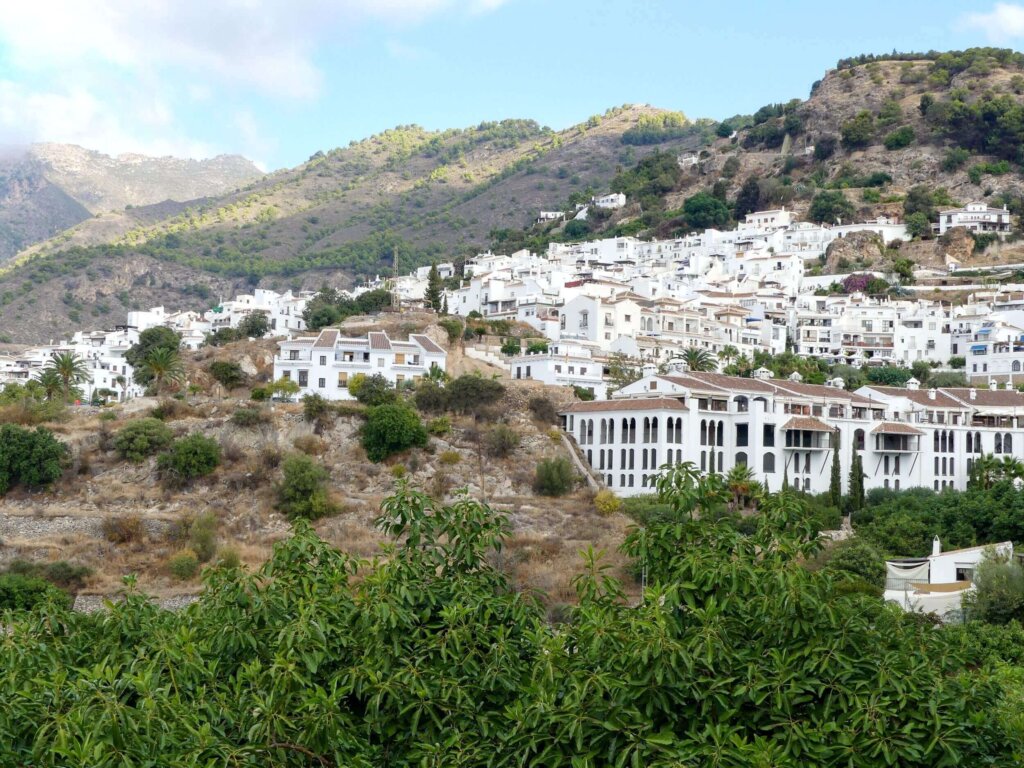
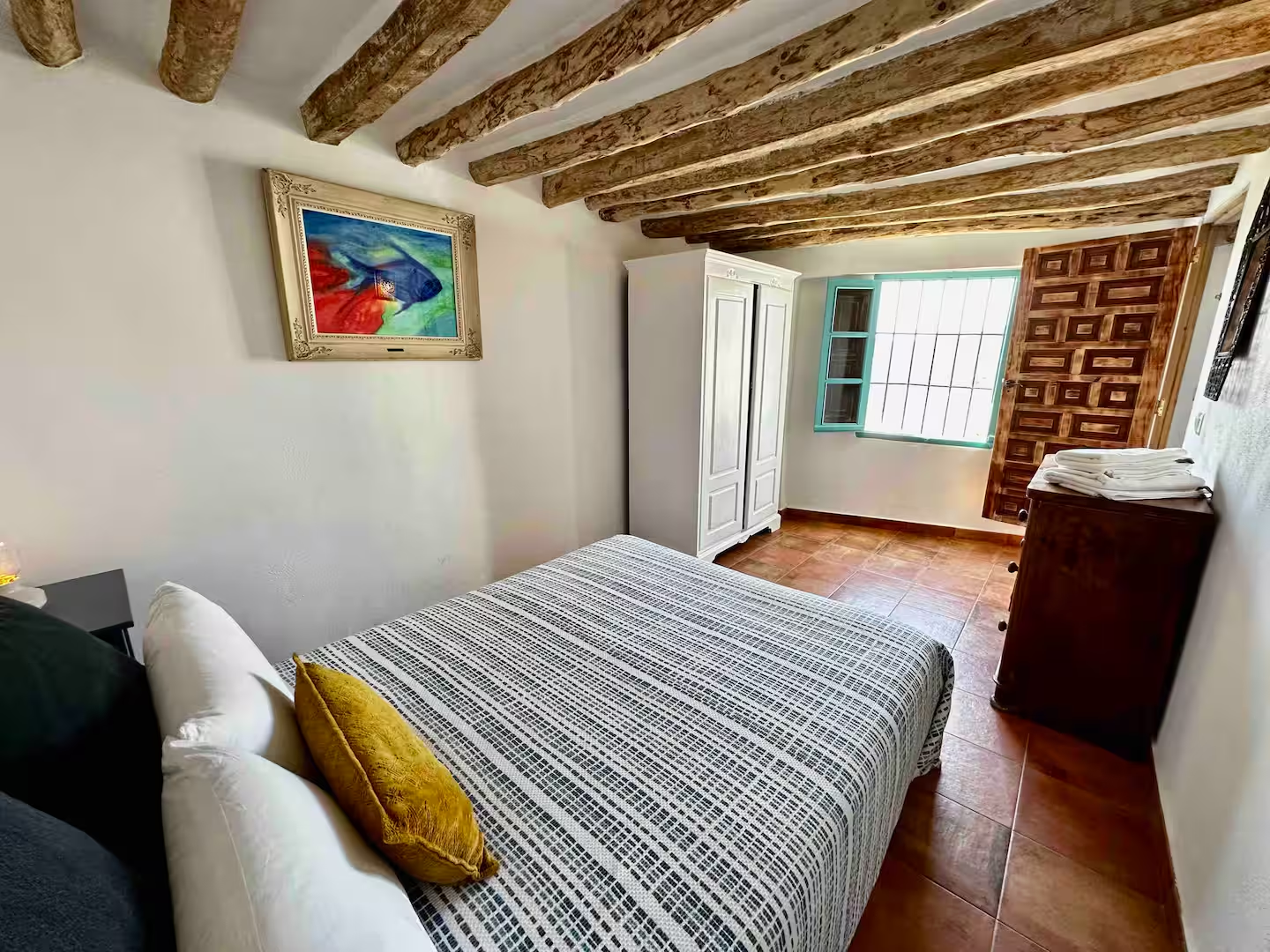
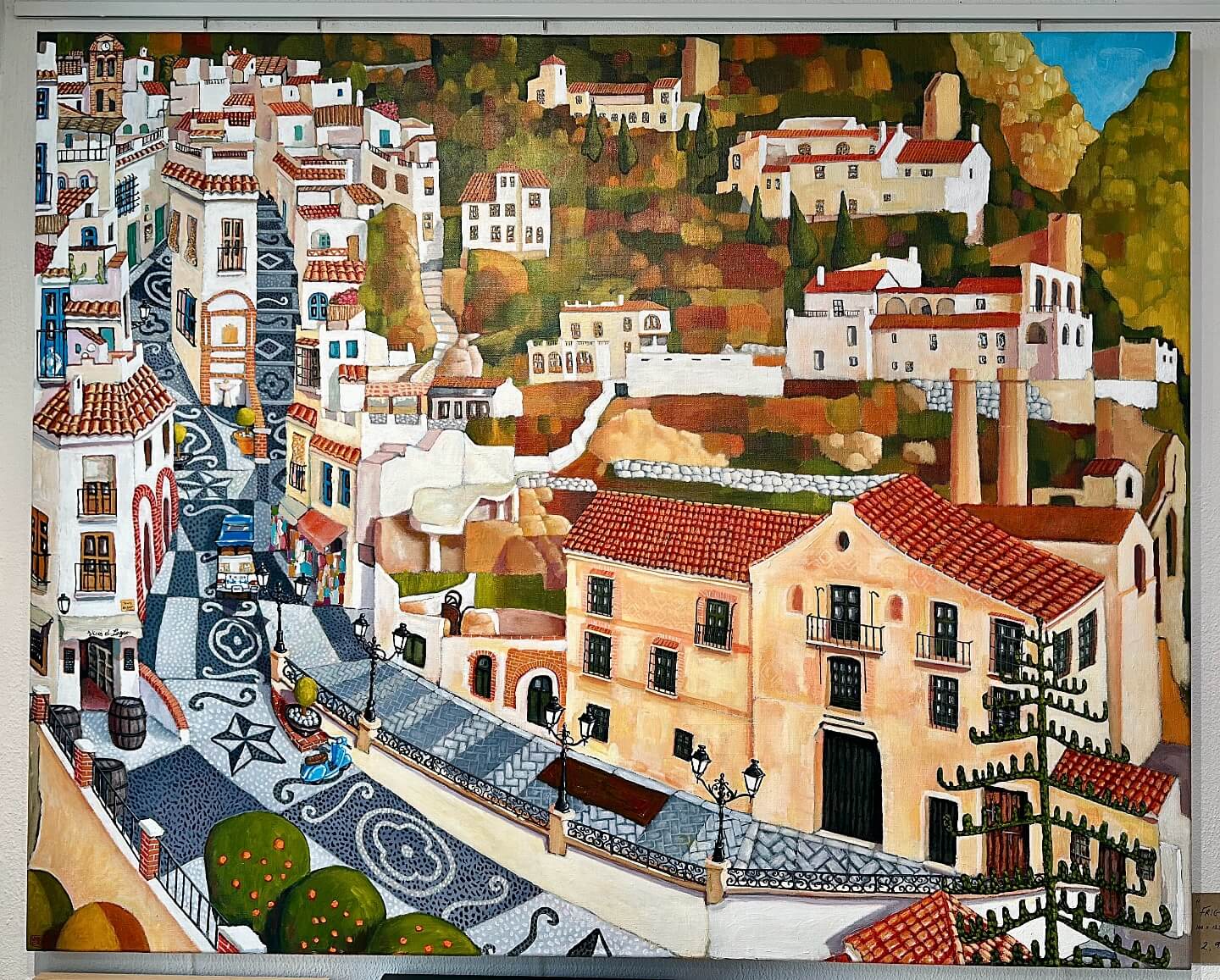
Arriving in Frigliana, the next challenge was finding parking and heading to the apartment. We were texted parking instructions and a code for the lockbox with the host to meet us later. However, the recommended parking area was full, the surrounding streets were full, so we made a command decision to drive directly to the apartment and unload; then search for parking. A touch of context at this point: Frigliana is a full-on hilltop village with very narrow “roads”; our unit was on Calle Real, the main street through the village, lined with storefronts and restaurants. It was a Staurday early afternoon, and as we drove into the “inhabitants only zone”, an inkling of doubt was niggling at us > the road narrowed to a laneway and we needed to navigate a stream of tourists as well as carefully pass merchandise piled beside the storefronts…we were past the point of no return so had to trust the GPS that the road would eventually leave the village…and there it was Studio 55…we had reached our destination. The lockbox combination worked, the keys worked, and we quickly unloaded everything from Little Clio and traversed through the village and out the other side, circling back to find parking…..WHEW, a bit hectic, but we did not hit any pedestrians nor hurt Little Clio. Then back to the apartment to check out our home for the next week. It was something unique for us as the apartment, “The Artist’s House,” was inside the studio of Gabe & Jo, who are artists. So every time we went out, we passed through their studio, checking out the artwork, chatting with Gabe (Spanish but spent time in New York)…very cool:
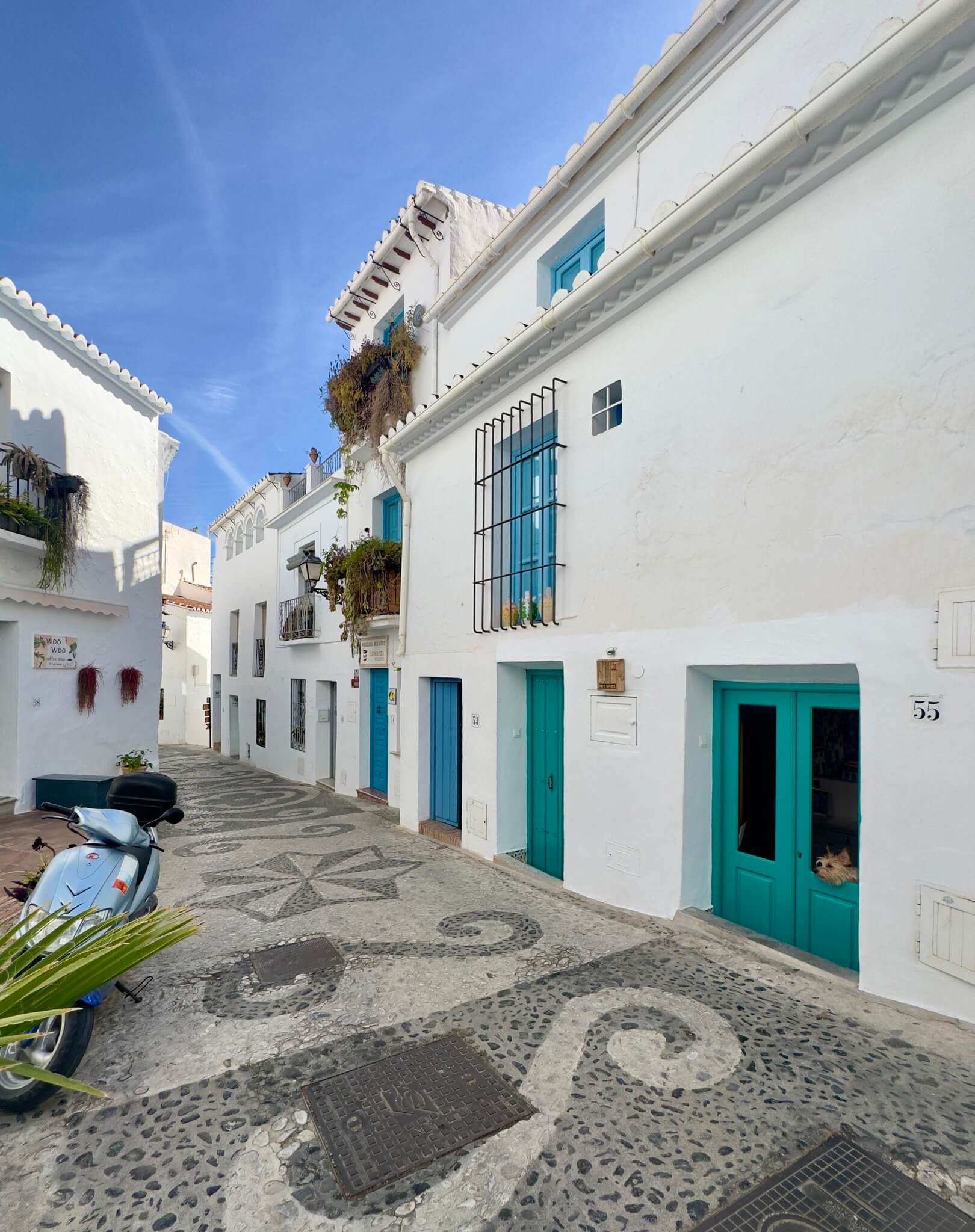
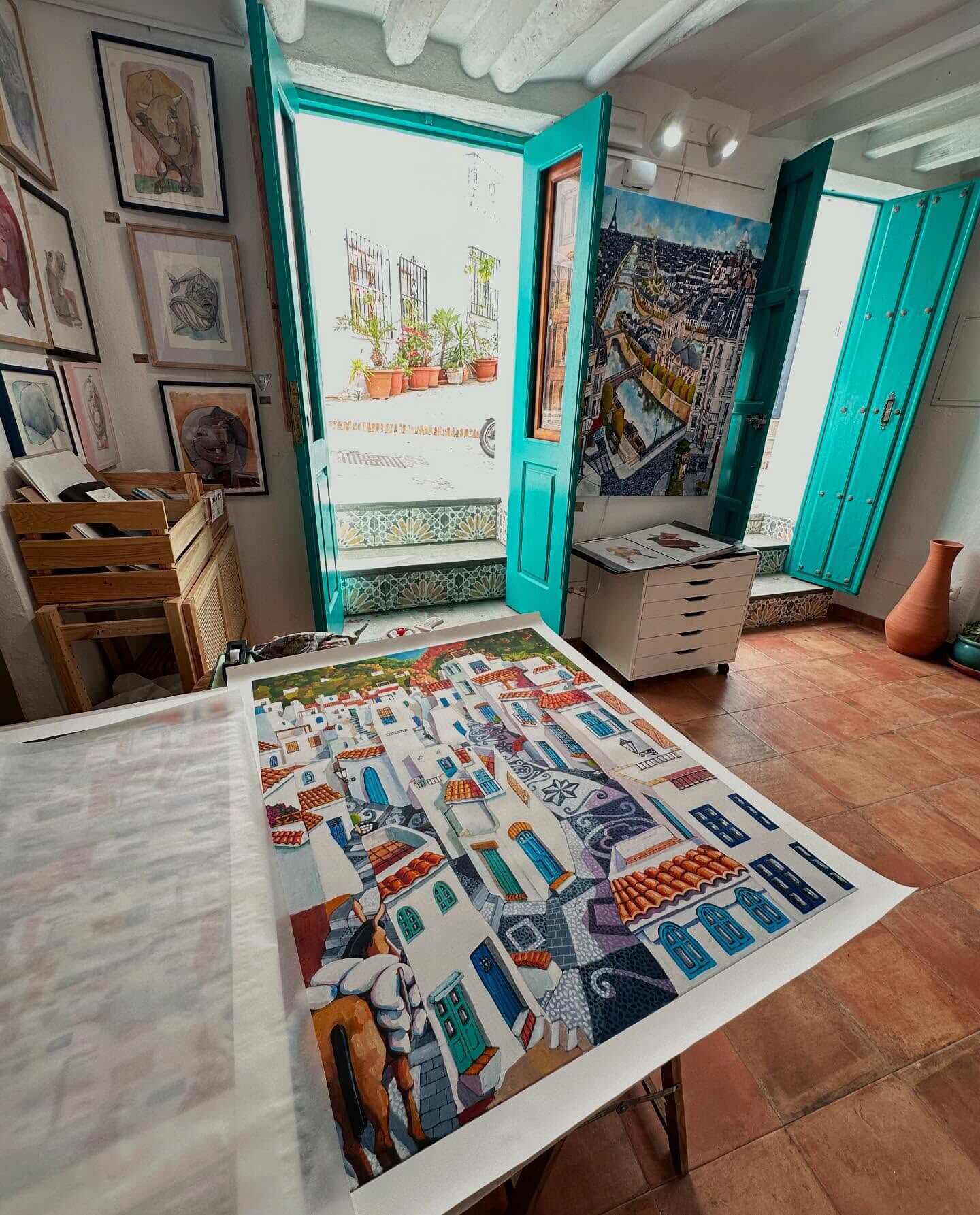
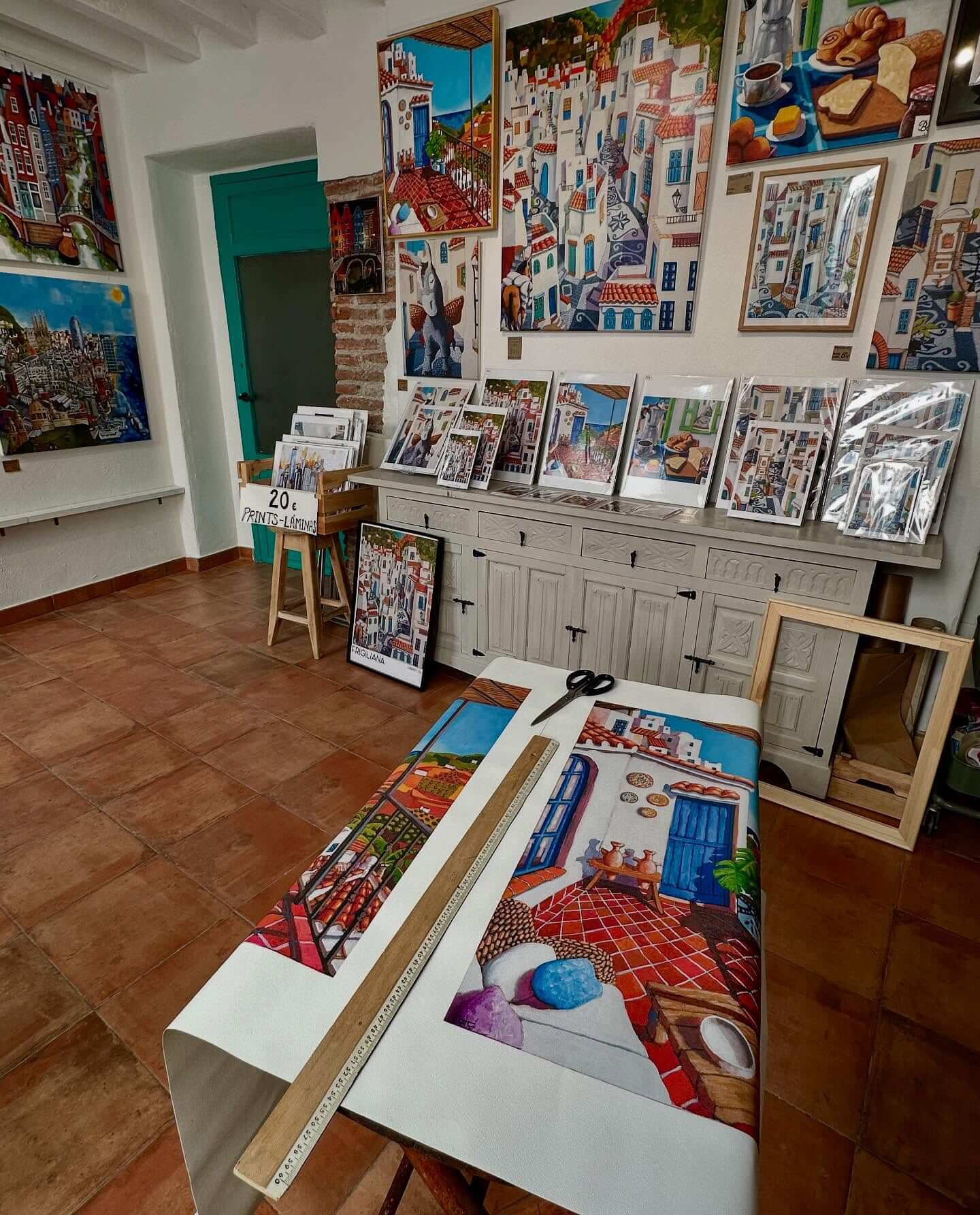
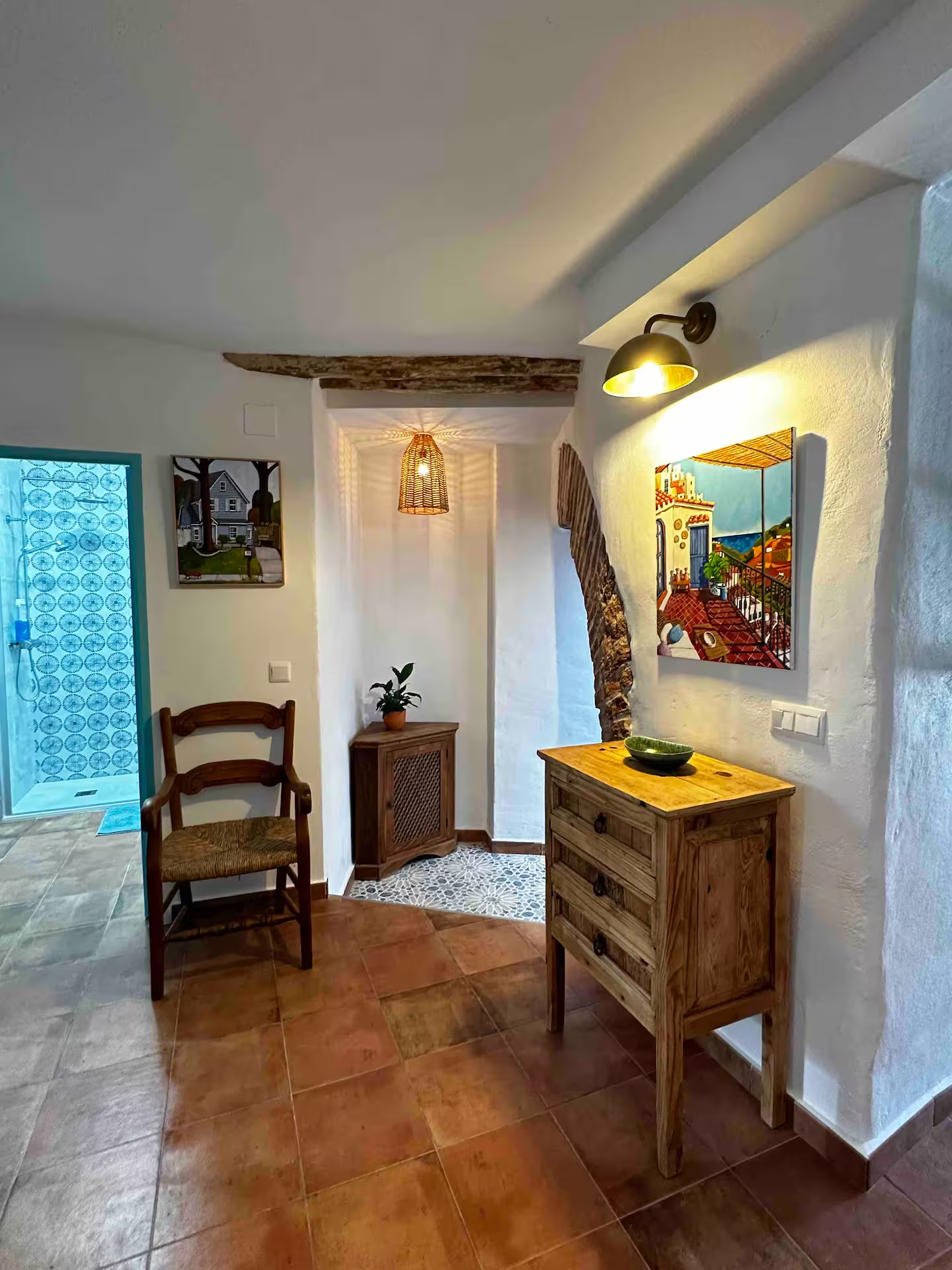
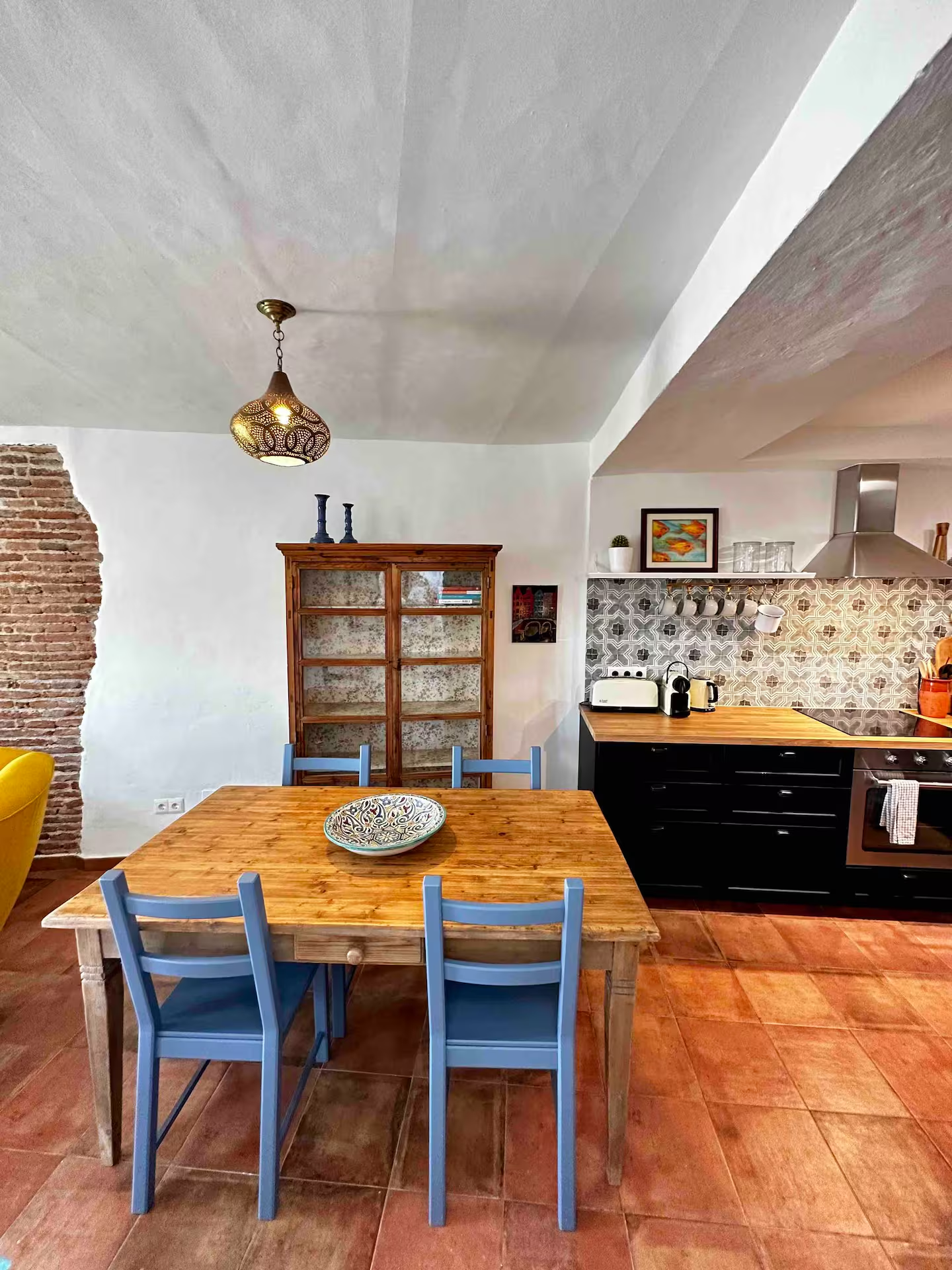
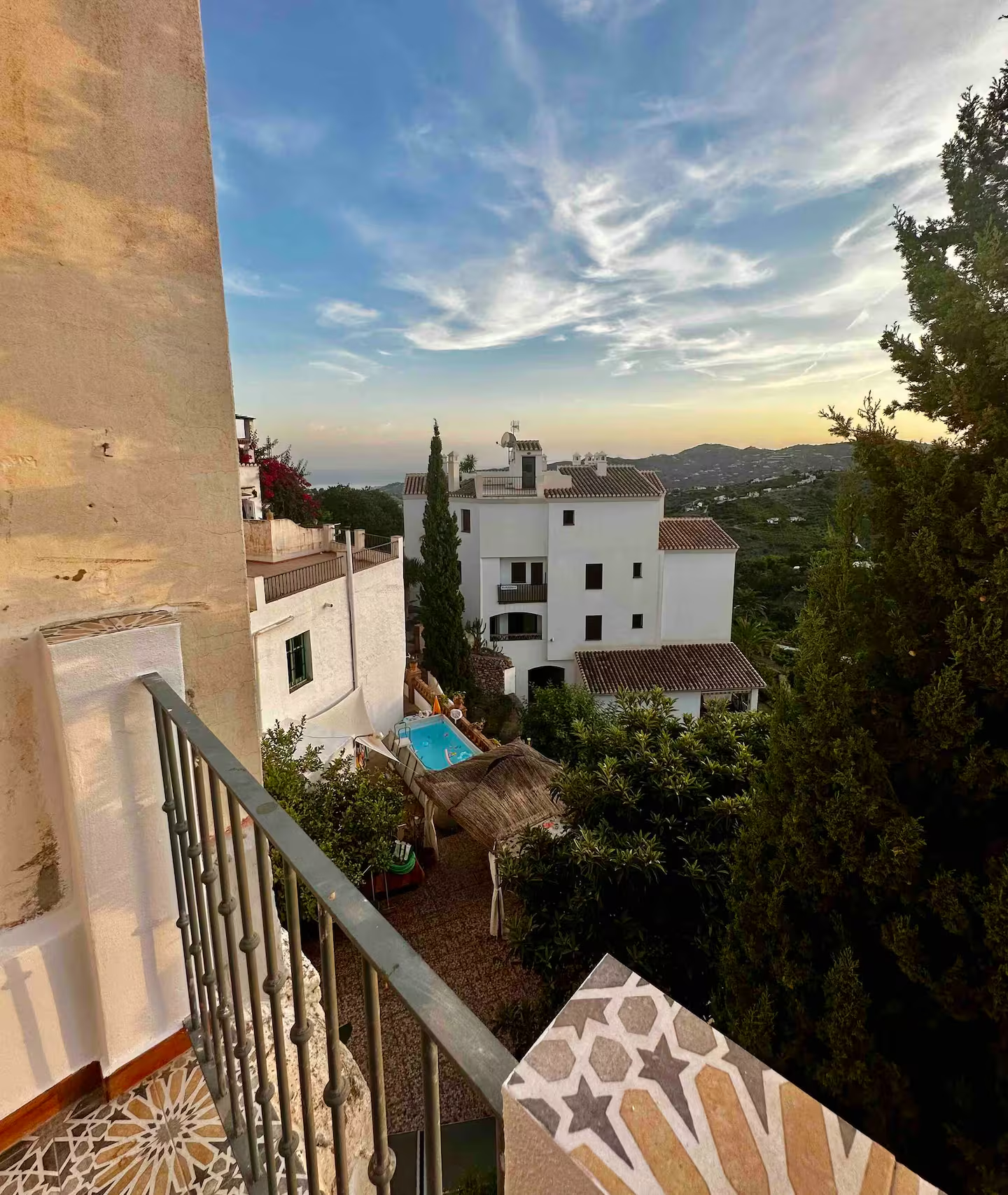
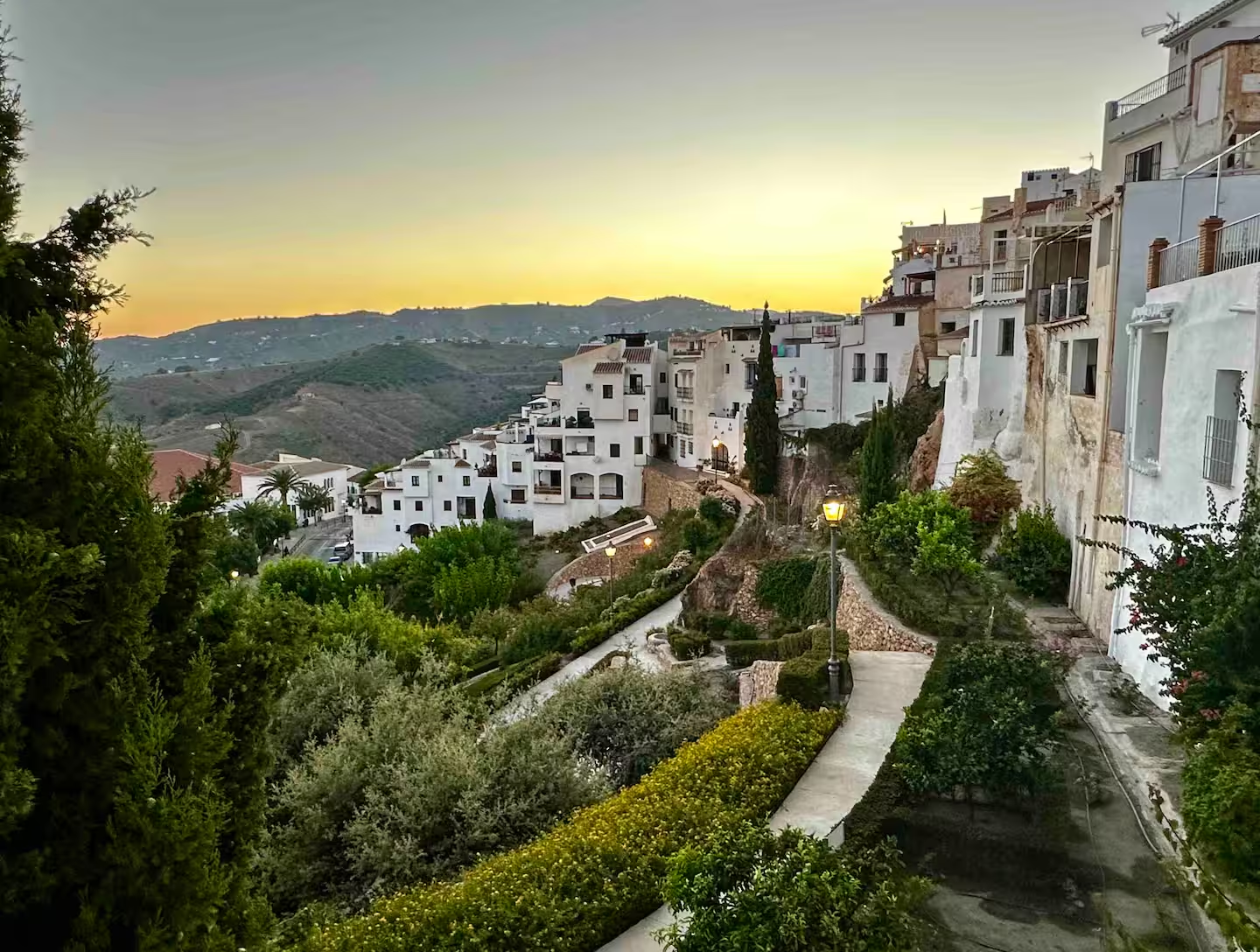
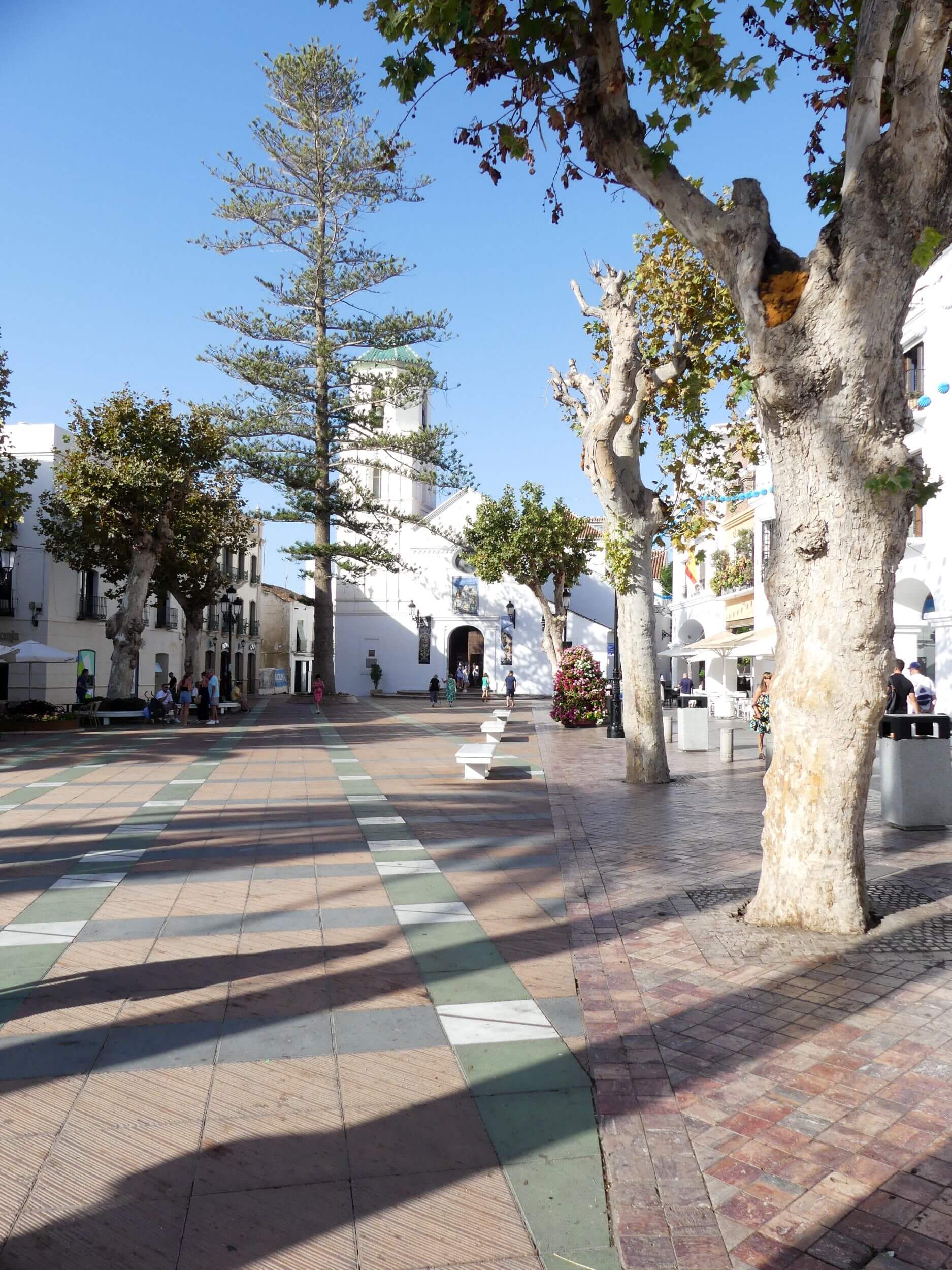
Our days in Frigliana went by quickly. It is a very charmong town and definitely deserves its moniker as one of the nicest “pueblos blancos” in Spain…we wandered the pretty streets, checked out the Iglesia de San Antonio, lunched at one of the local restos with a great view of the countryside below, trudged up and down through the botanical garden below the apartment and simply enjoyed the vibe of this town:
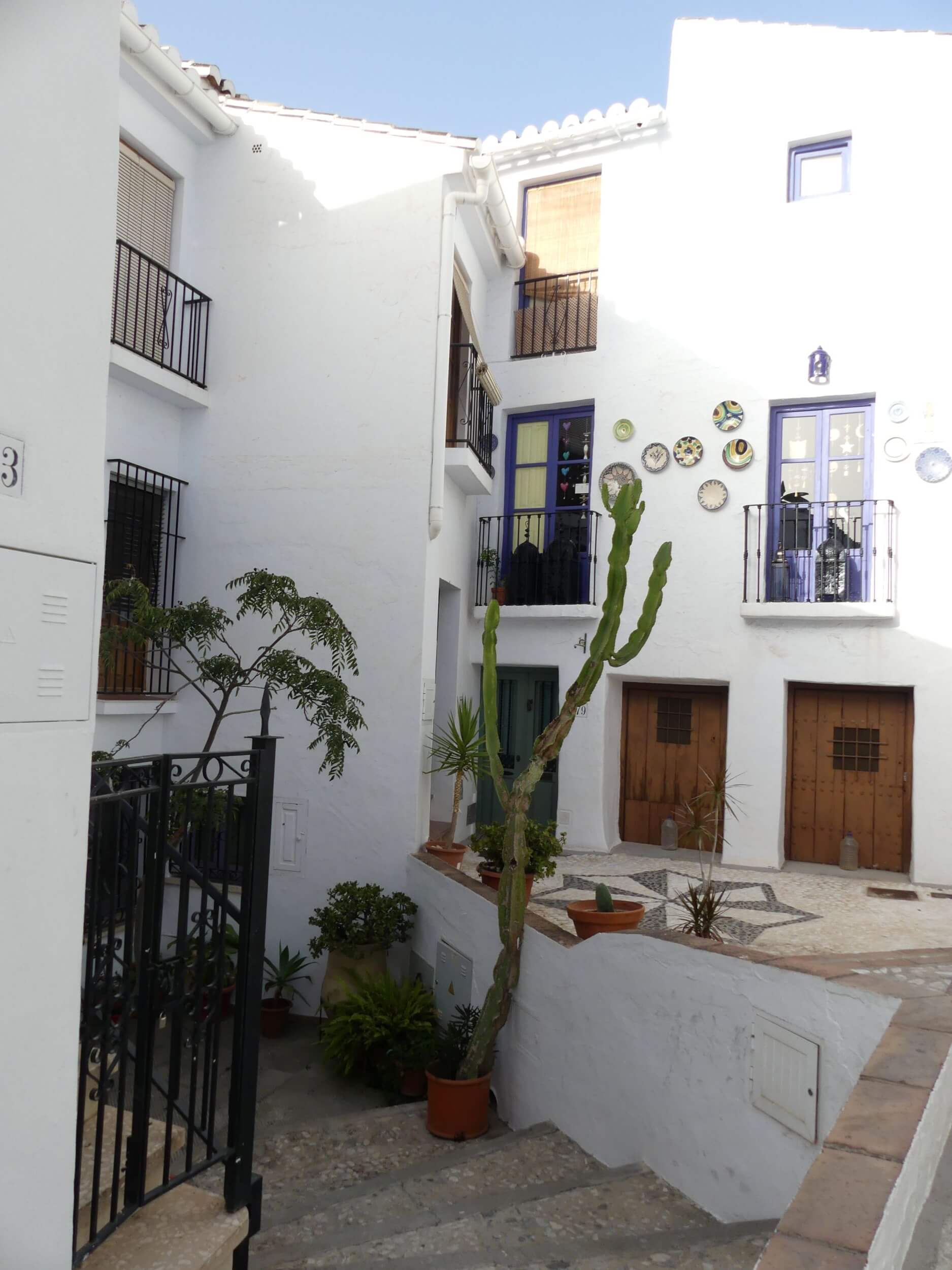
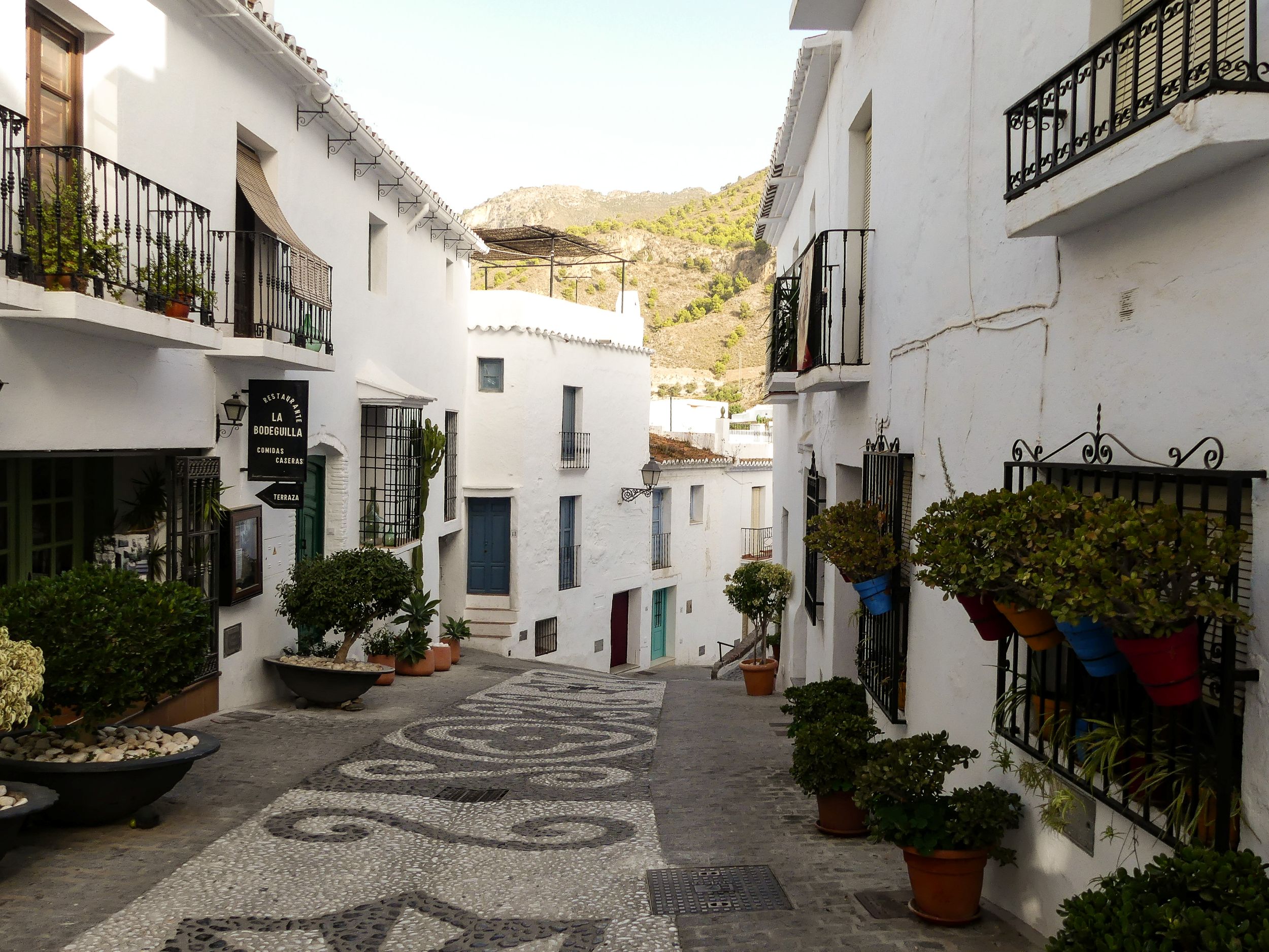
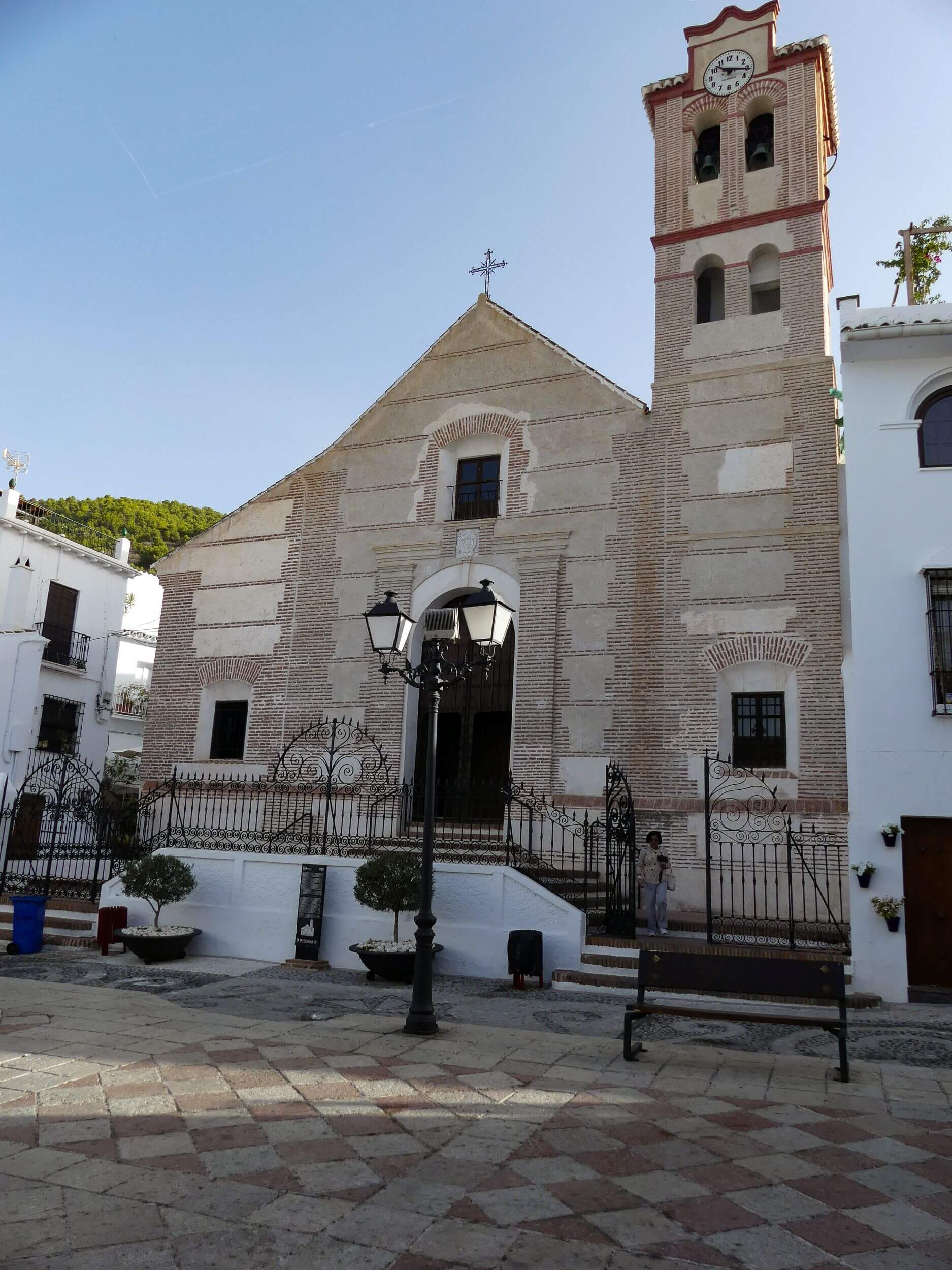
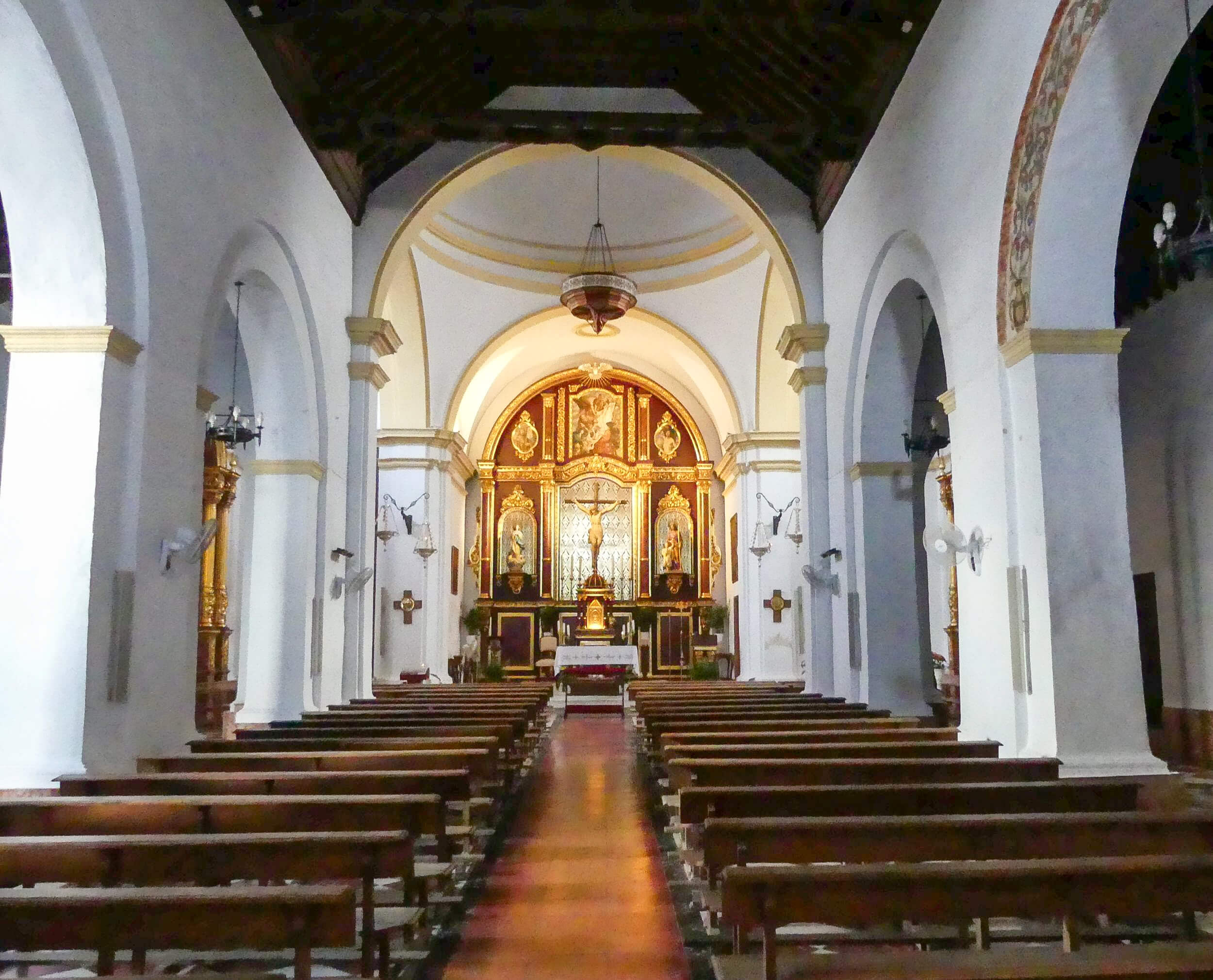
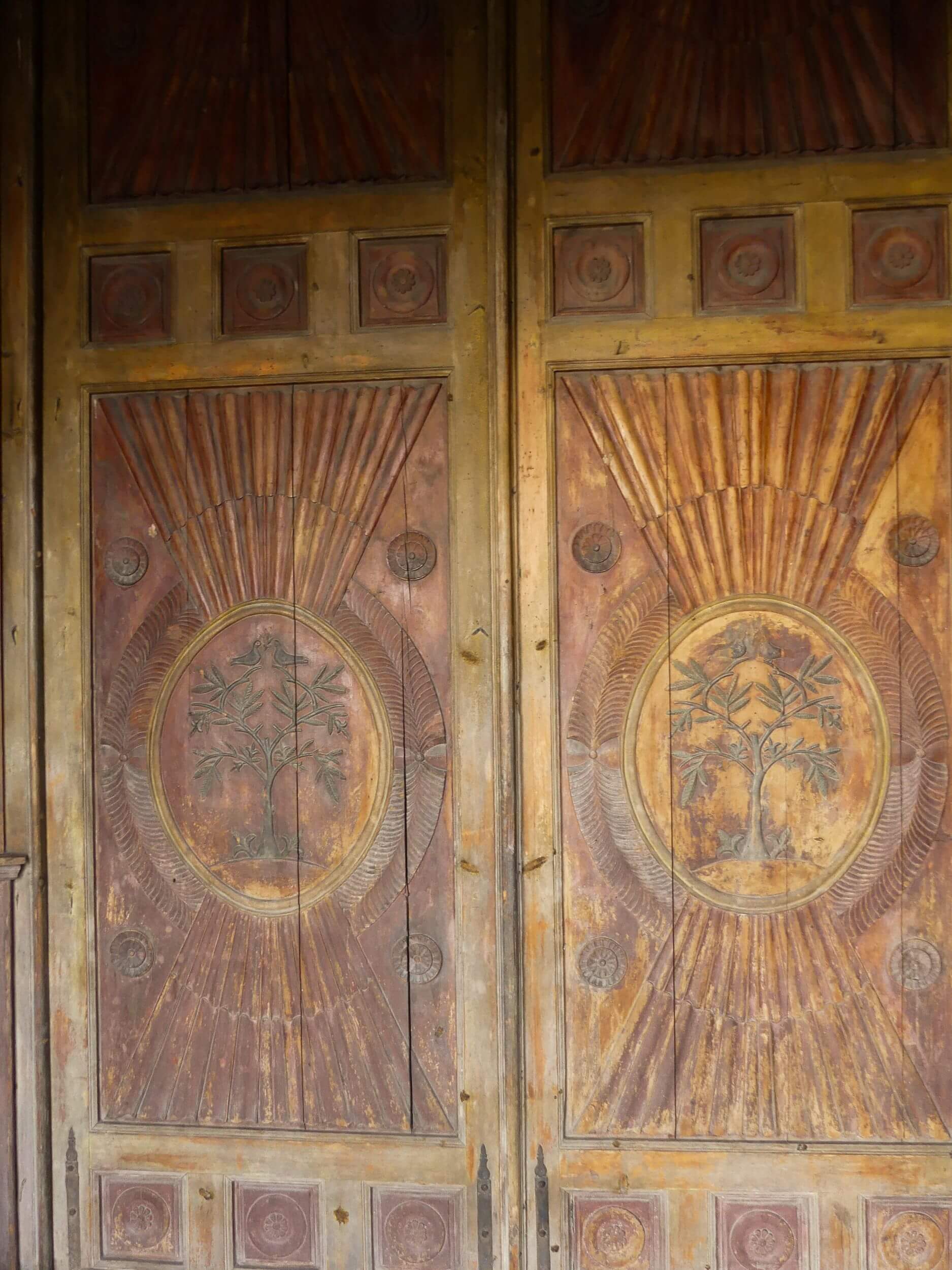
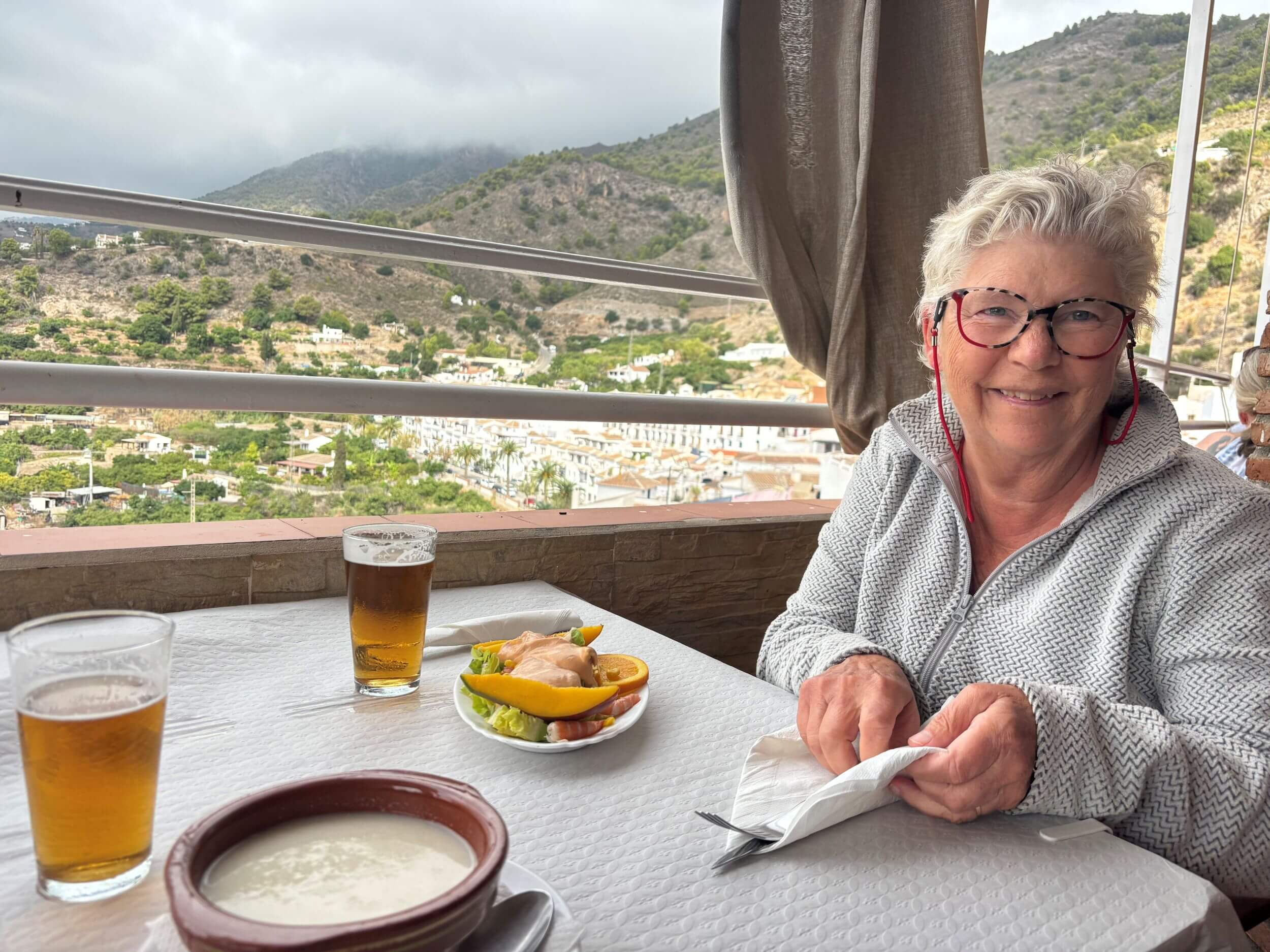
The weather had been pretty incredible, sunny, warm, then somewhat hot at midday and cooling in the evening! Reprovisioning was better in the larger towns, so we headed to Nerja to revisit this town (we stayed there several years ago for a few days) and to resupply.
Nerja began as a small prehistoric settlement, evidenced by remarkable cave paintings in the nearby Nerja Caves, discovered in 1959. After the Romans, the Moors developed the town’s irrigation and agriculture. After the Christian reconquest, Nerja remained a quiet fishing and farming community until the mid-20th century, when tourism transformed it.
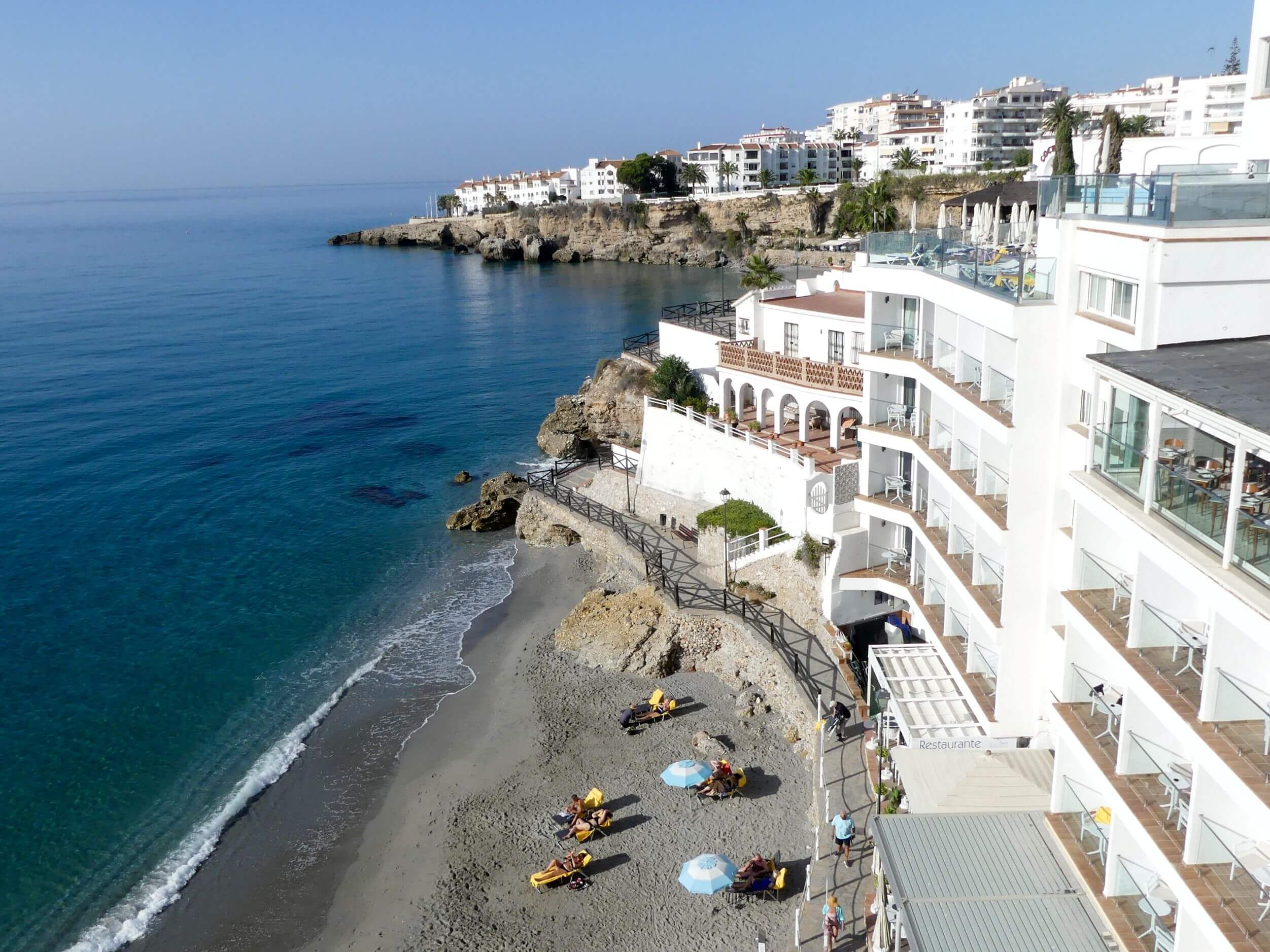
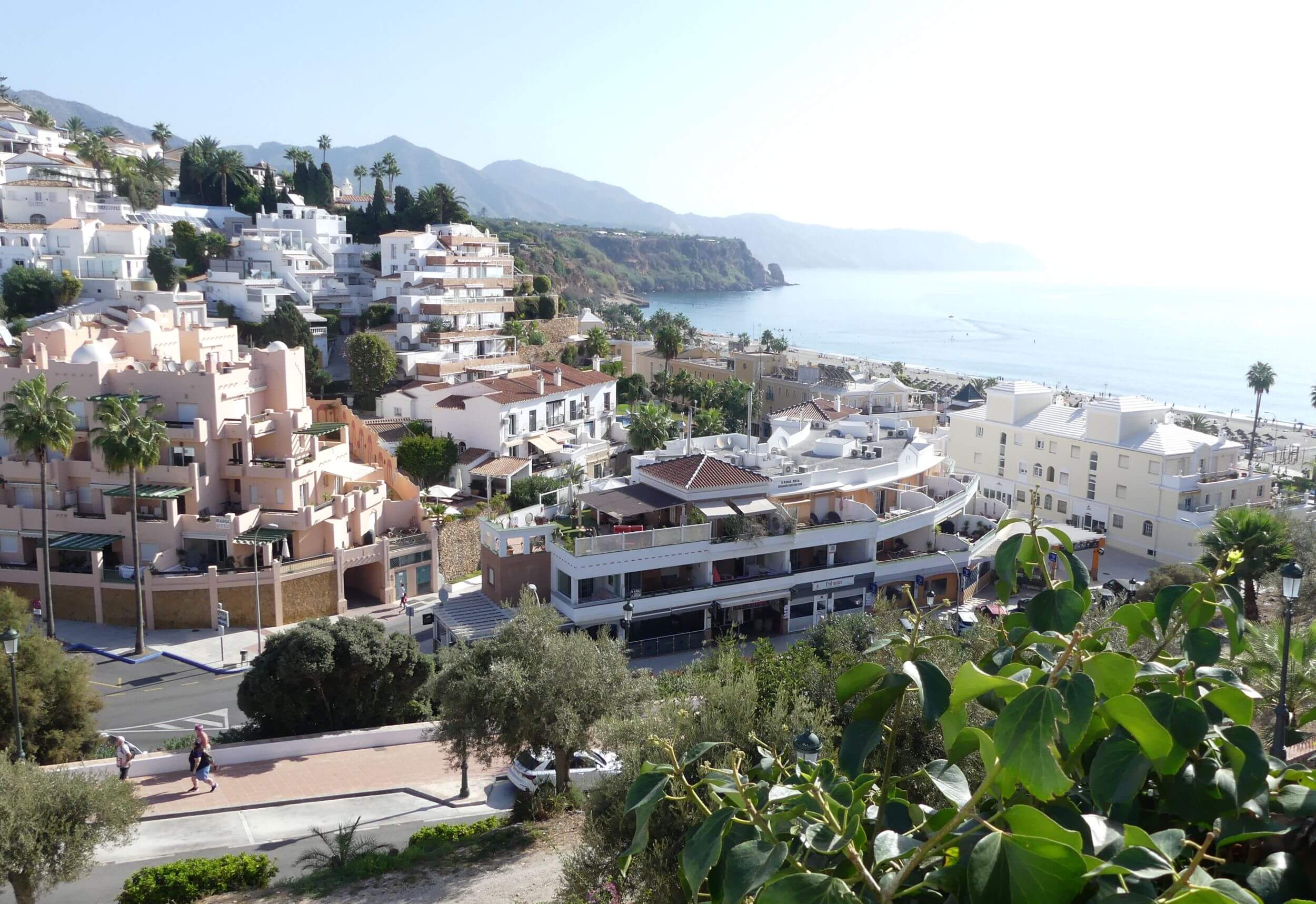
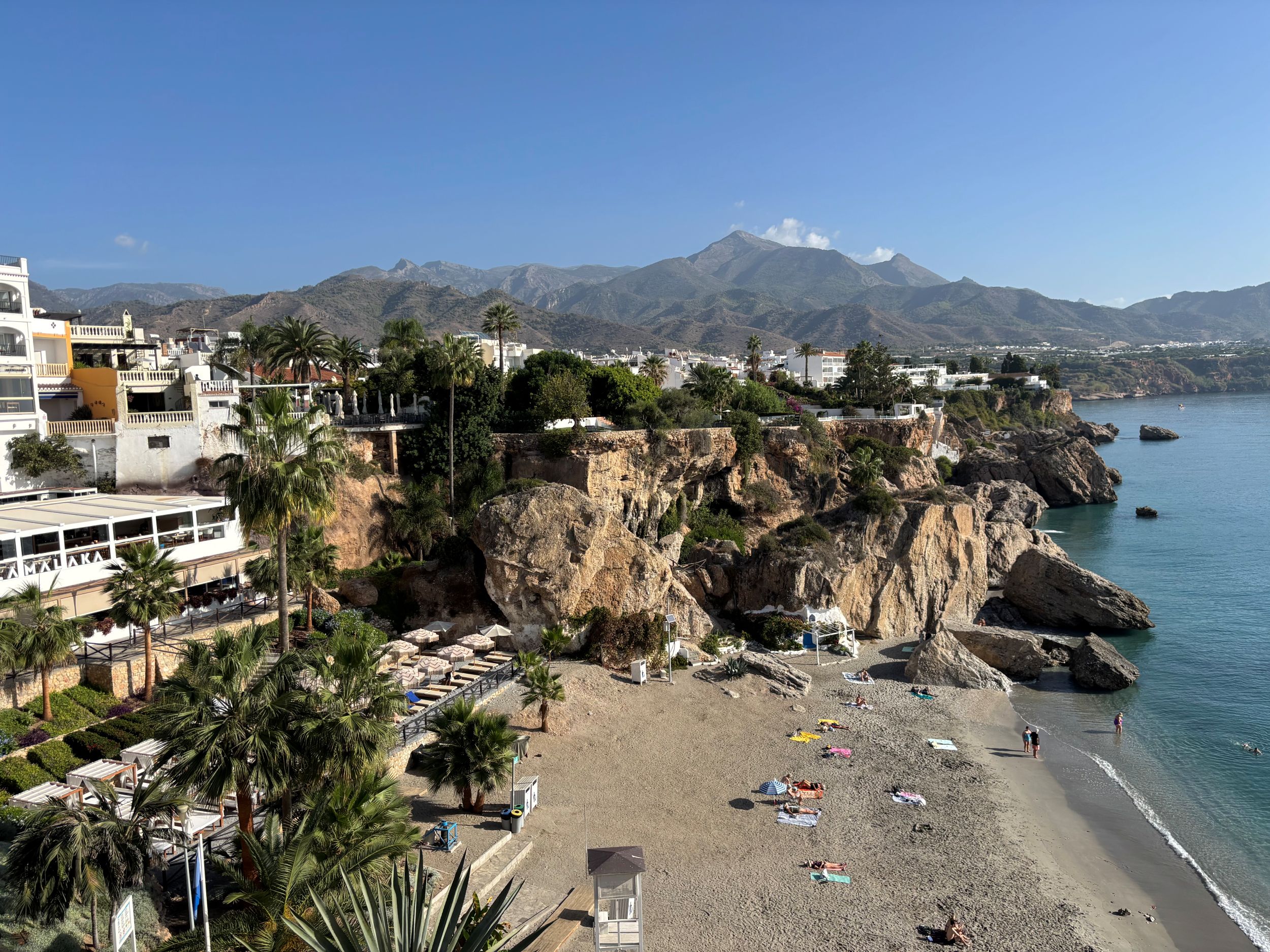
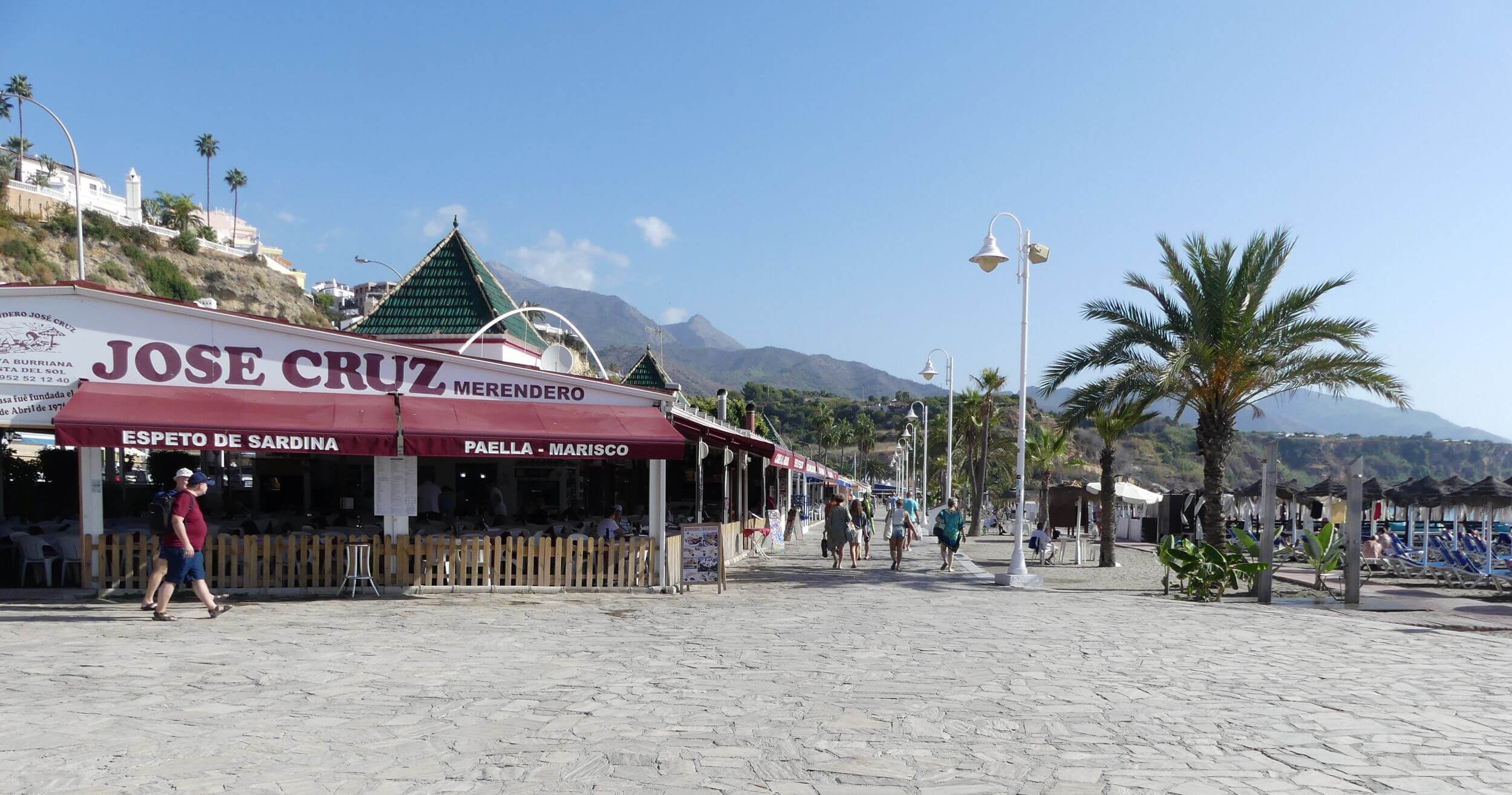
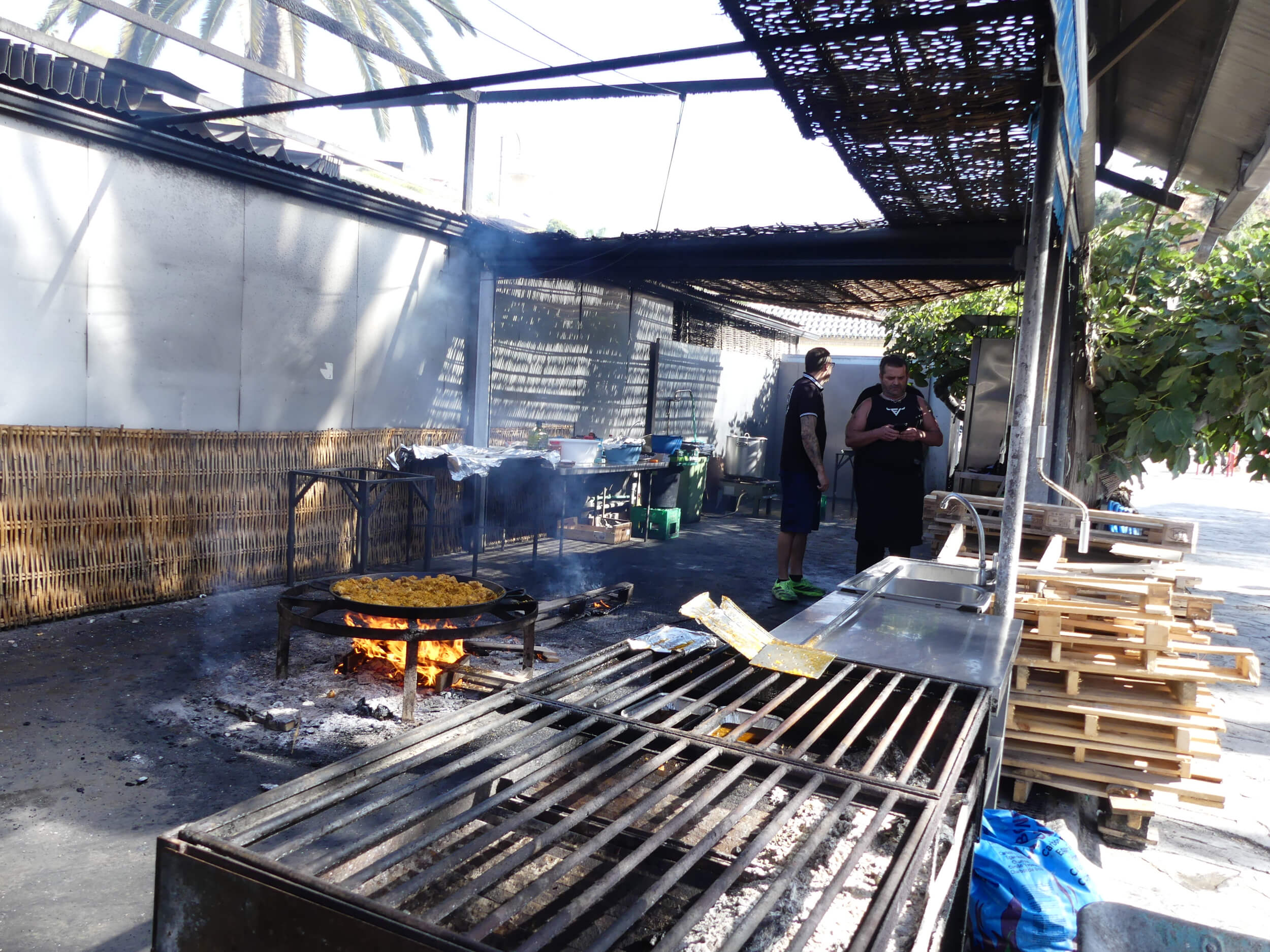
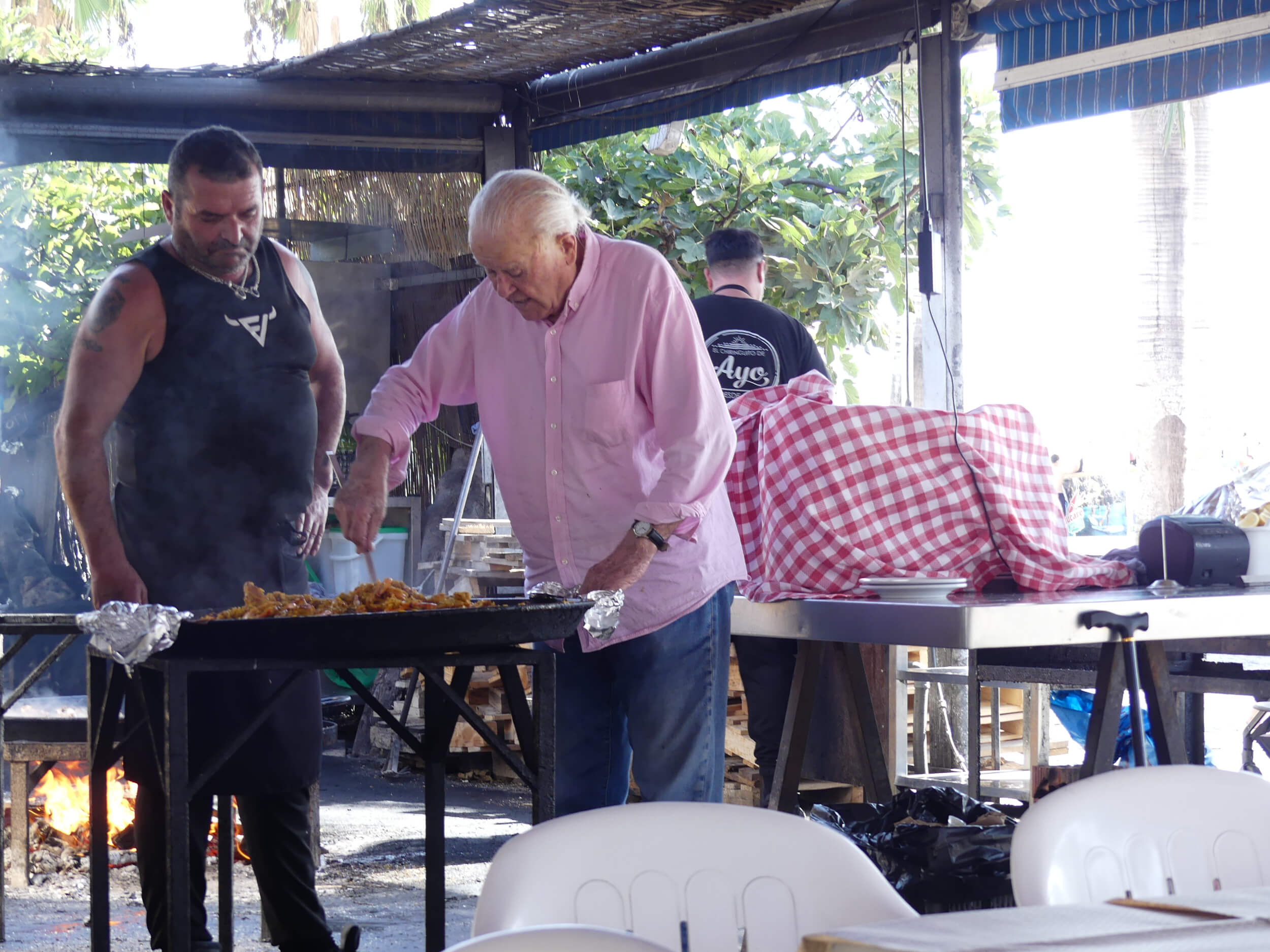
It is a very pleasant town, especially in the fall, in the summer, though, like most beachside places in Europe, it is likely a zoo. We had a relaxing walkabout, checking out some of the places from our earlier visit and had paella at Ayo’s on Burriana Beach > the boss was there ensuring the paella was being cooked correctly…he has a simple formula: basic tables/chairs/paper tableclothes/friendly service/fresh & tasty seafood with the signature dish being paella >>> all at an affordable price, and he delivers. Well fed, we meandered back to the car, picked up our groceries and returned to Frigliana, only about a 20-minute drive away.
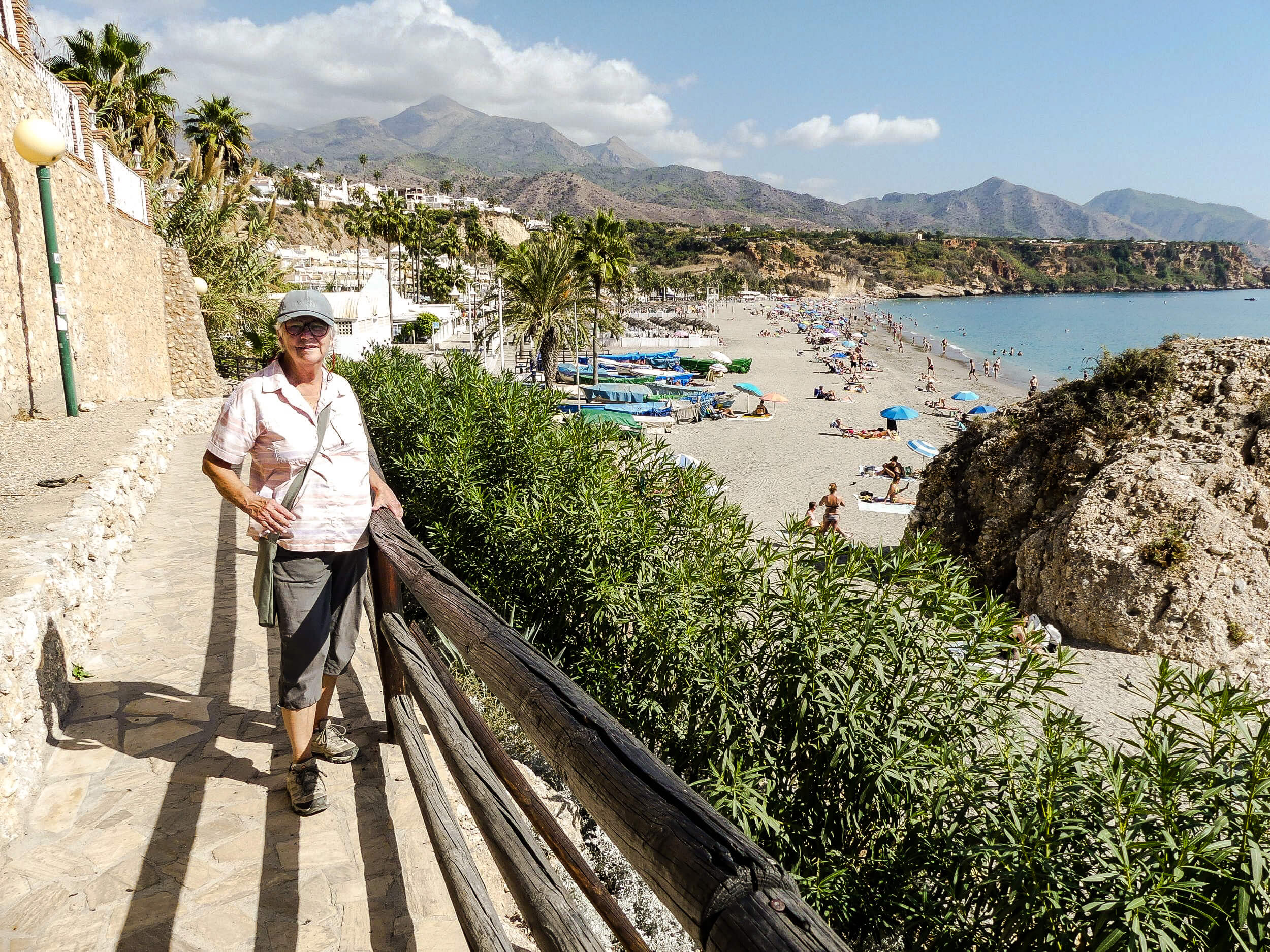
Frigliana also affords some good hiking opportunities, although one must be careful to start early in the morning, as the sun can be intense and carrying sufficient water is essential, as generally there are no sources other than what you carry with you …
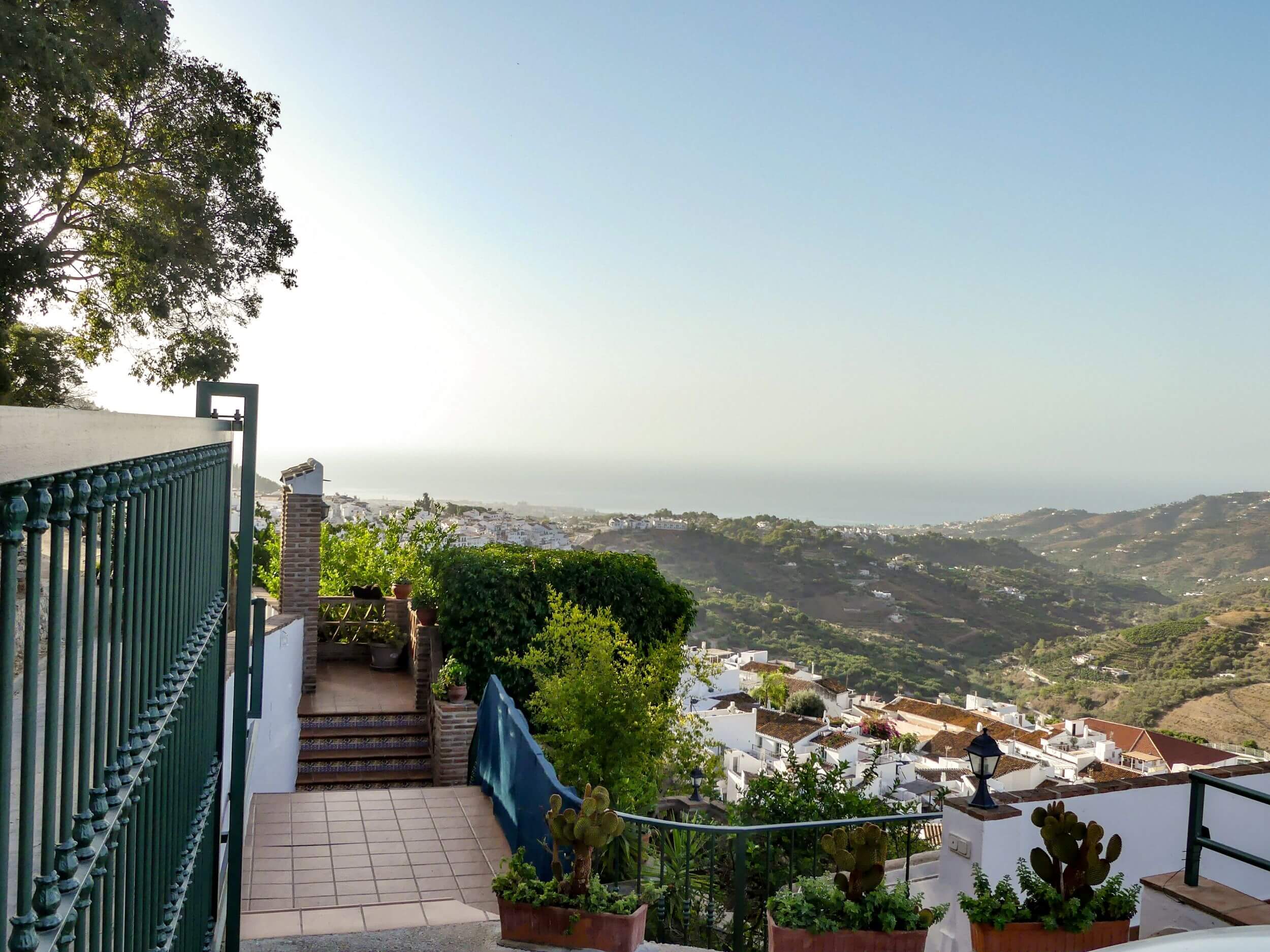
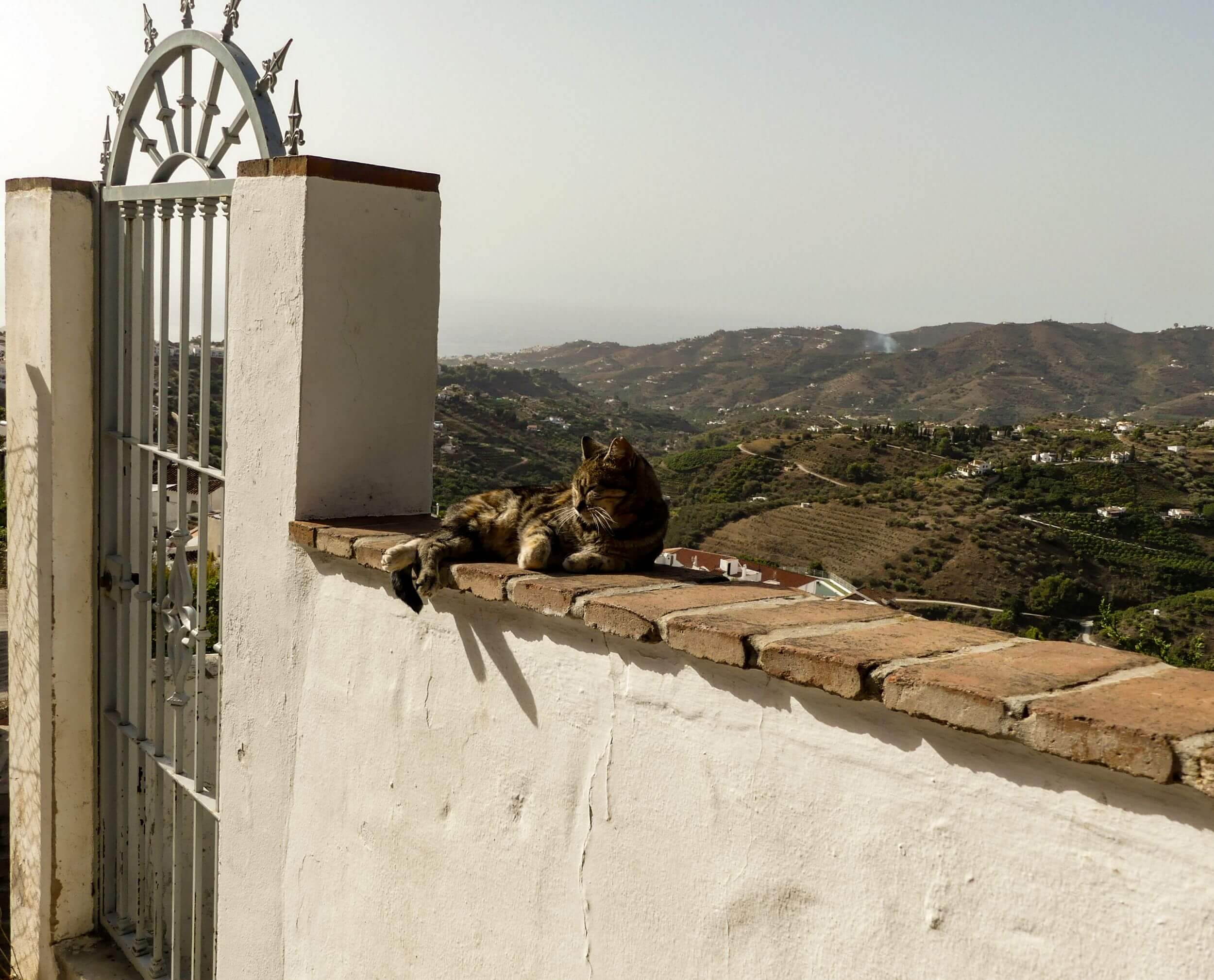
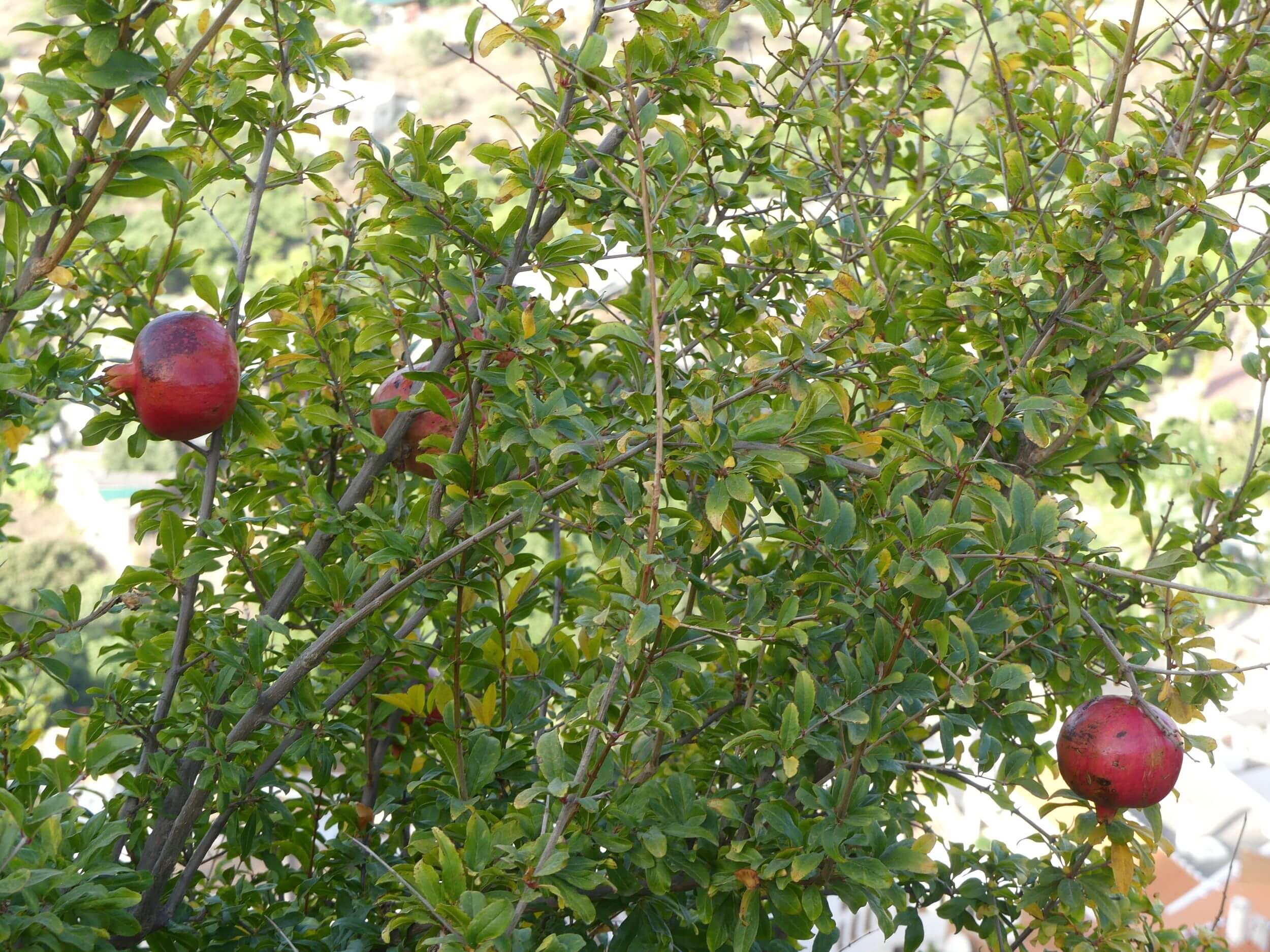
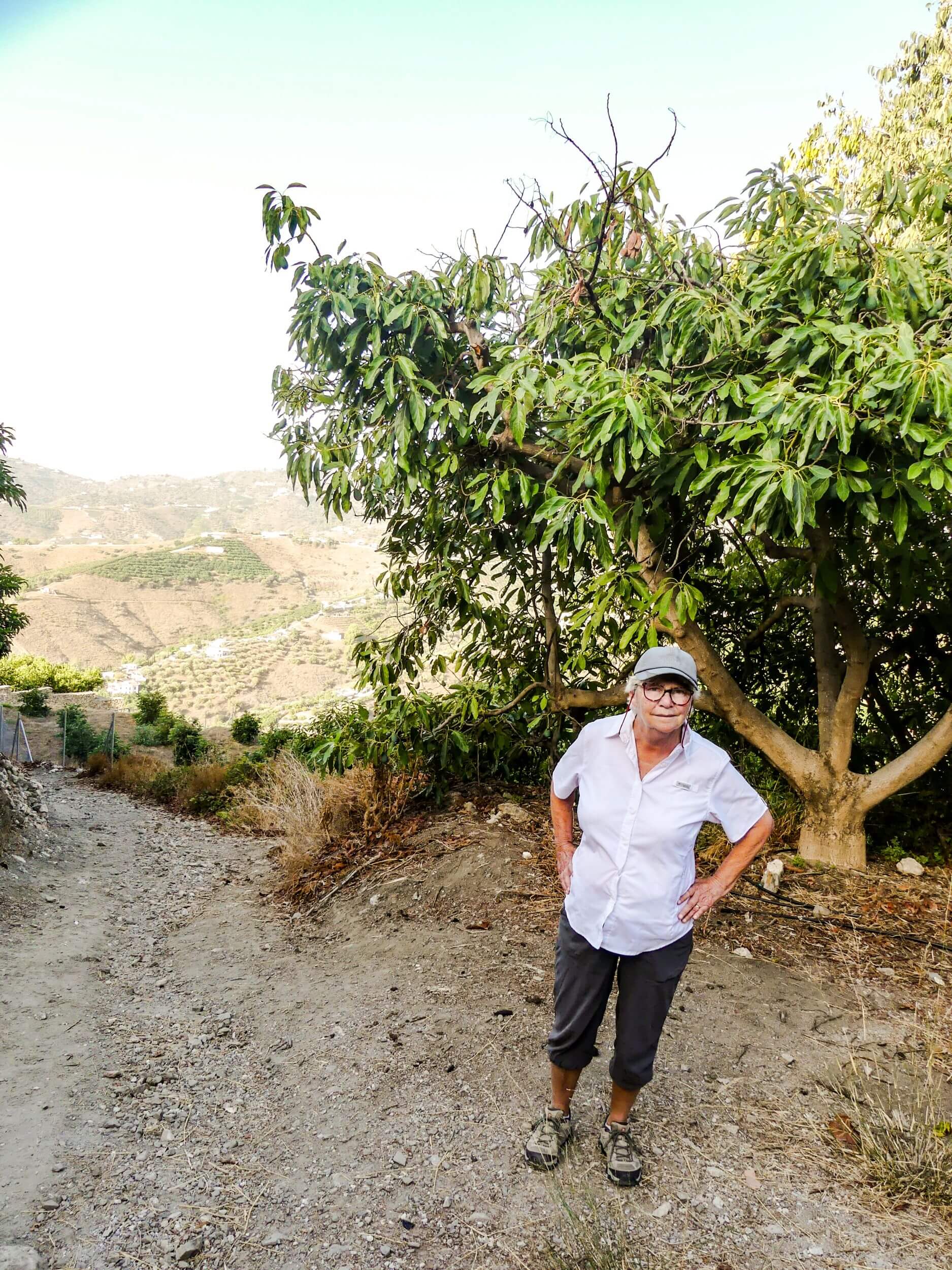
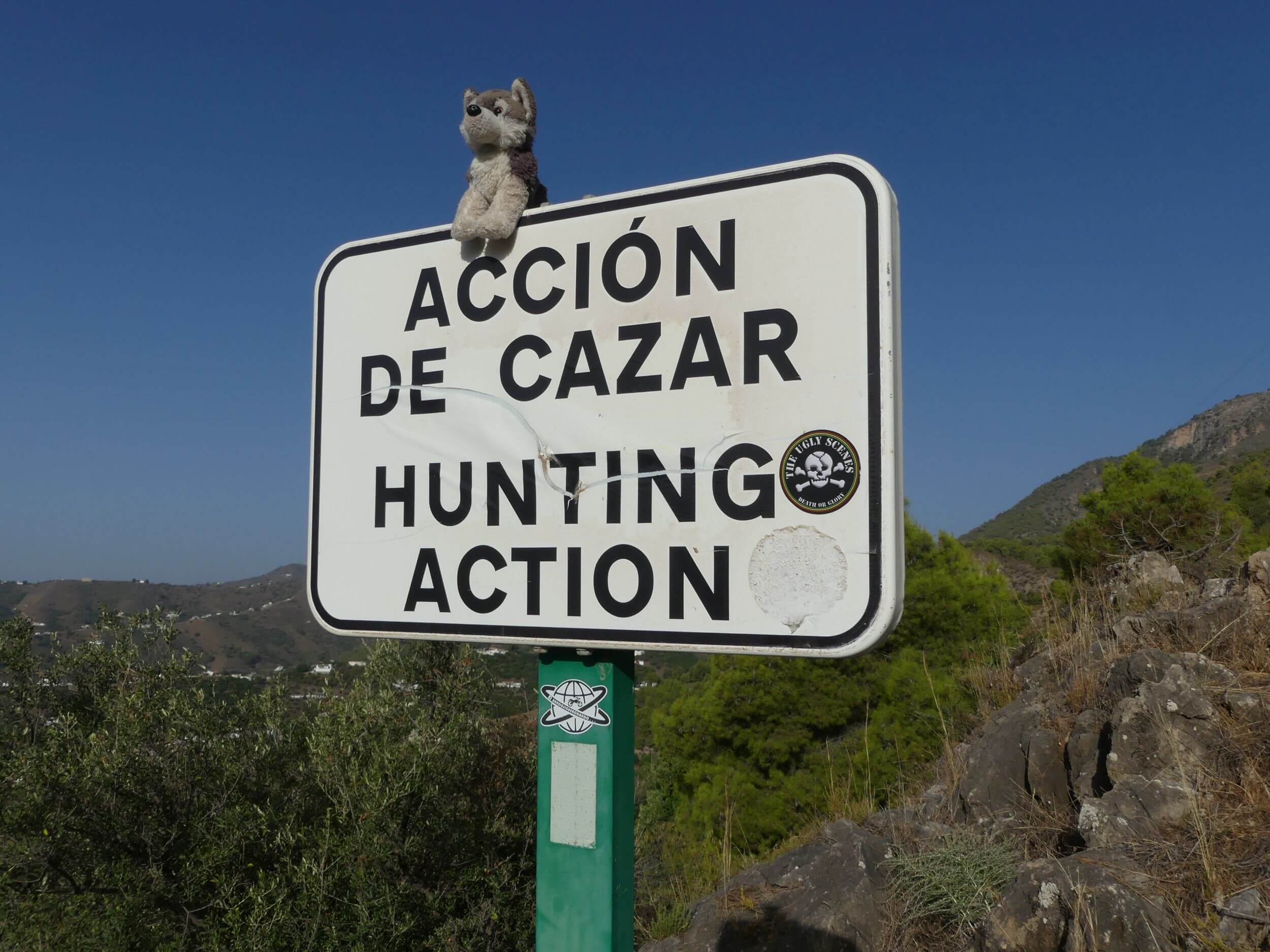
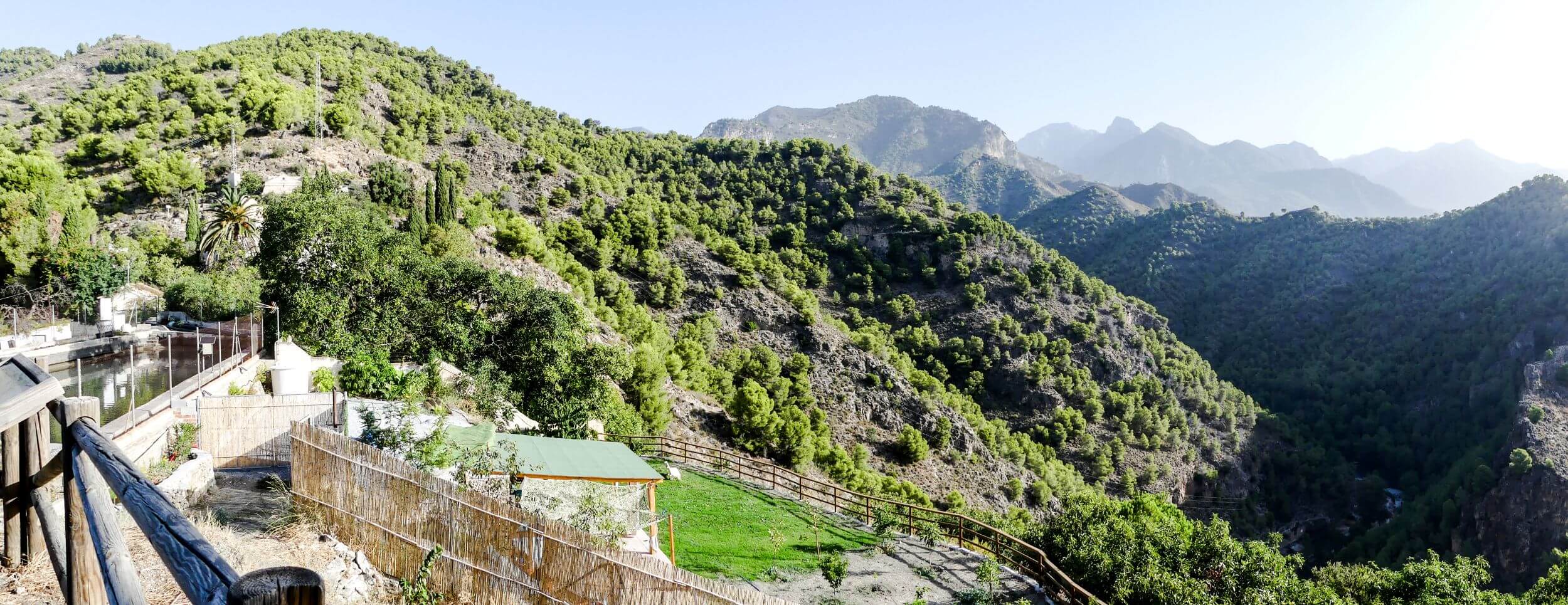
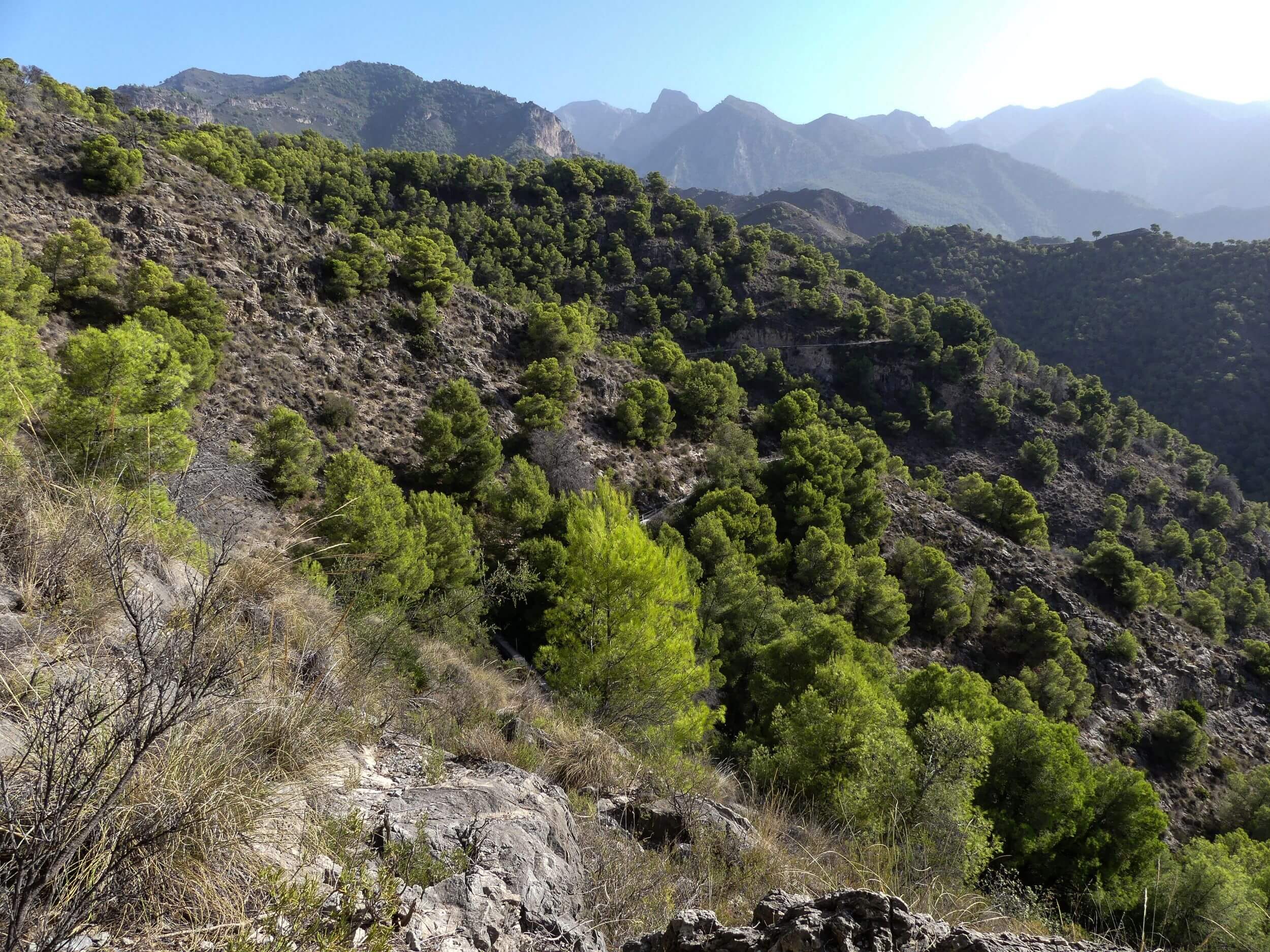
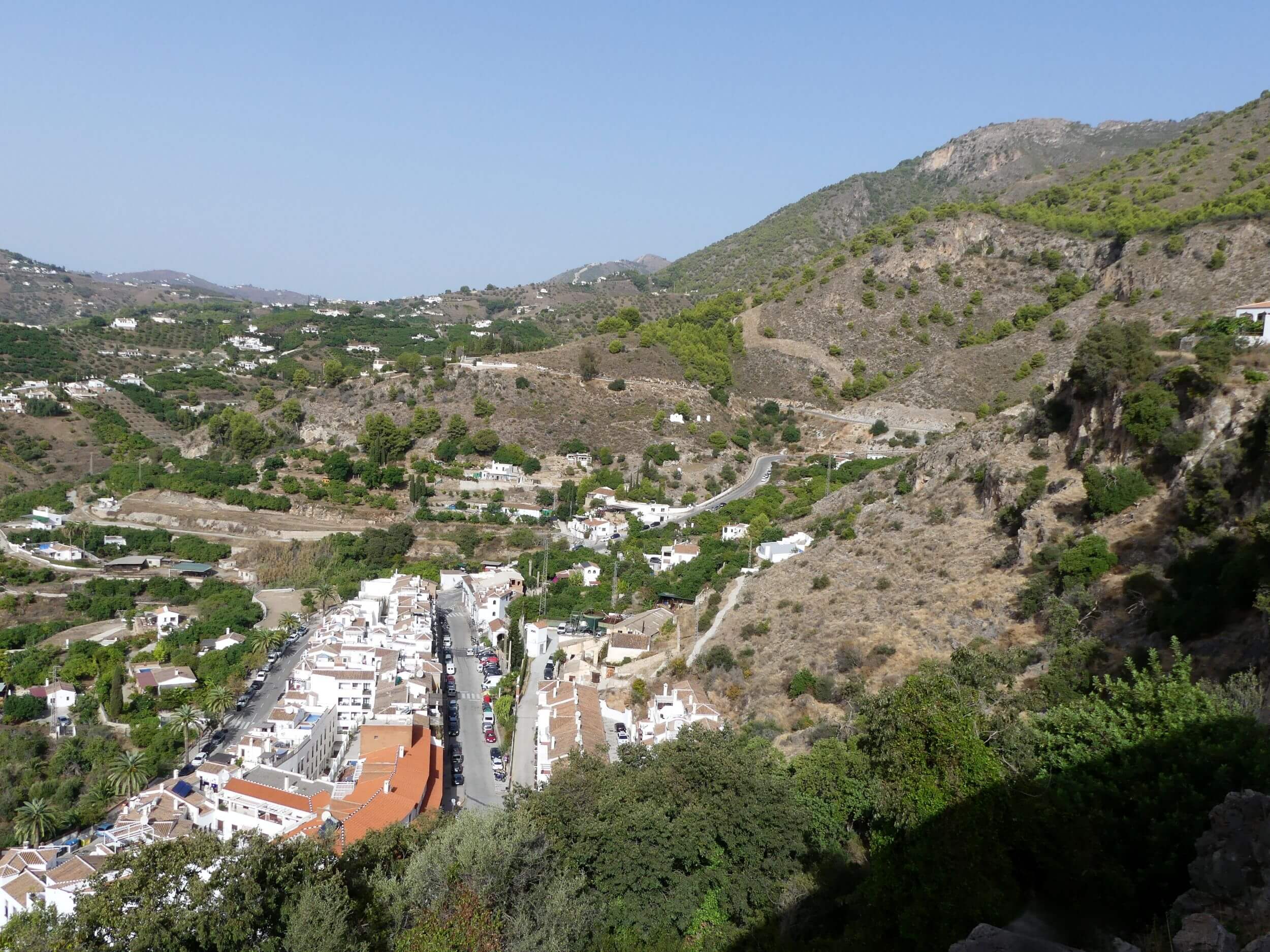
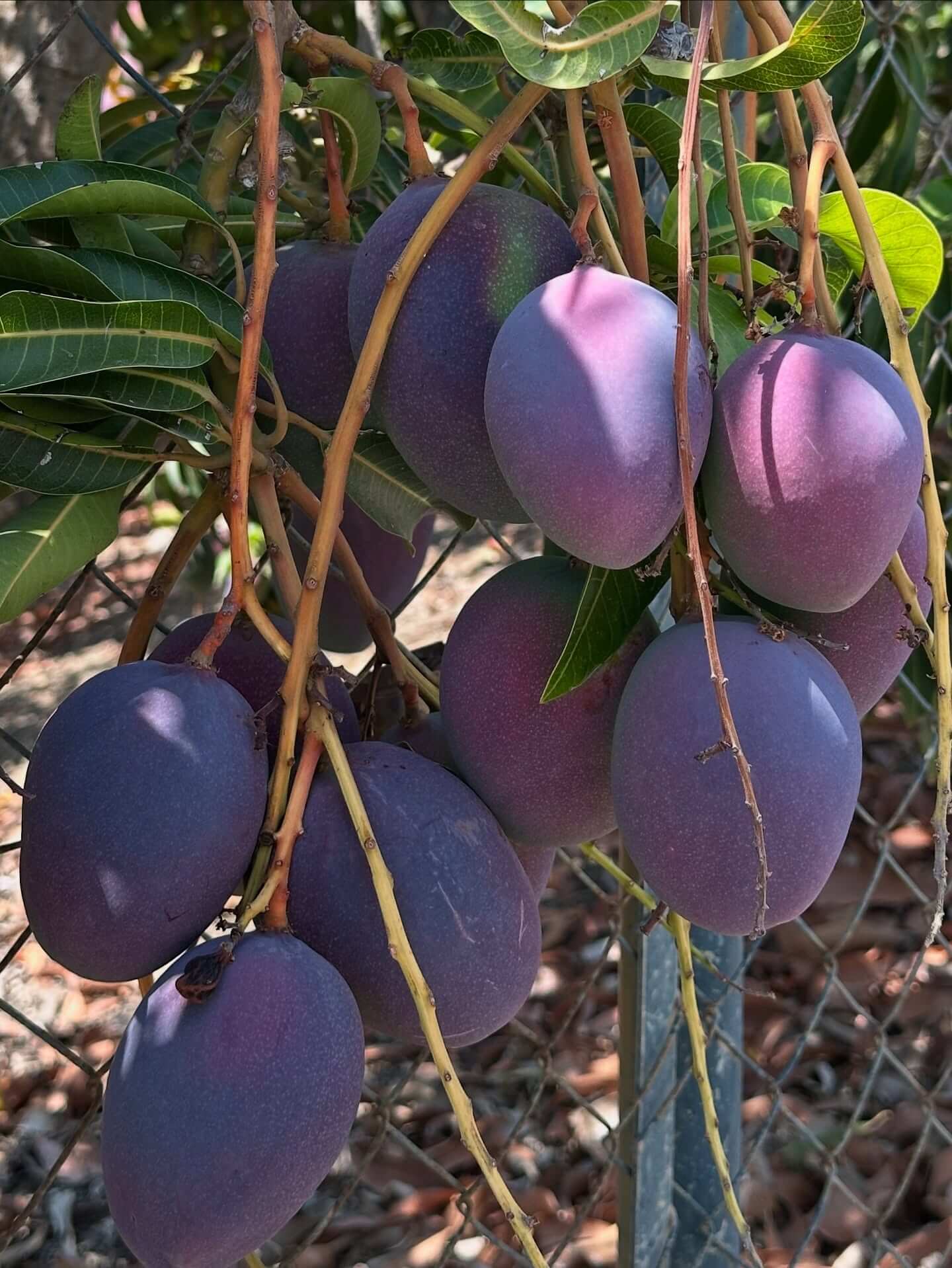
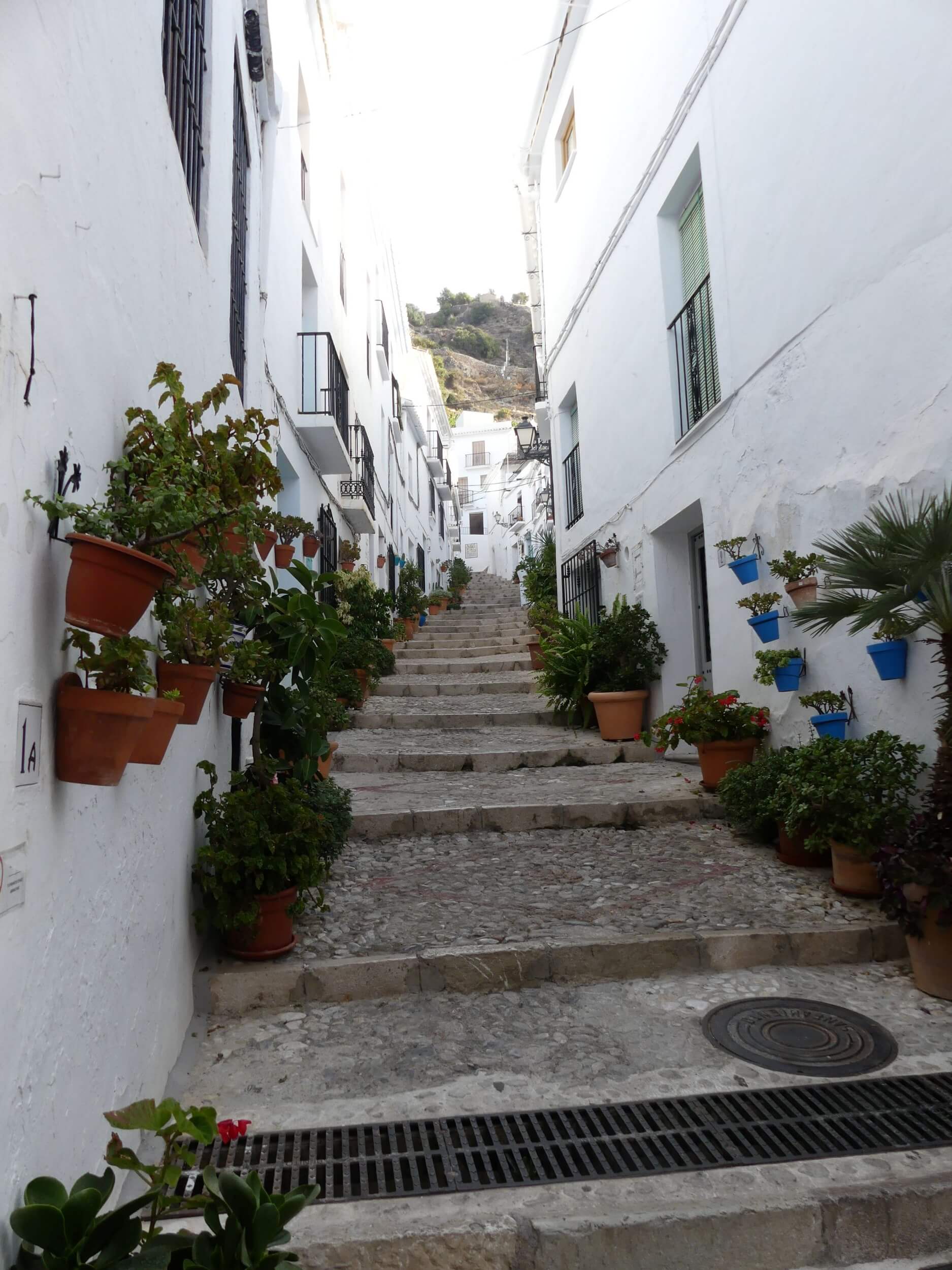
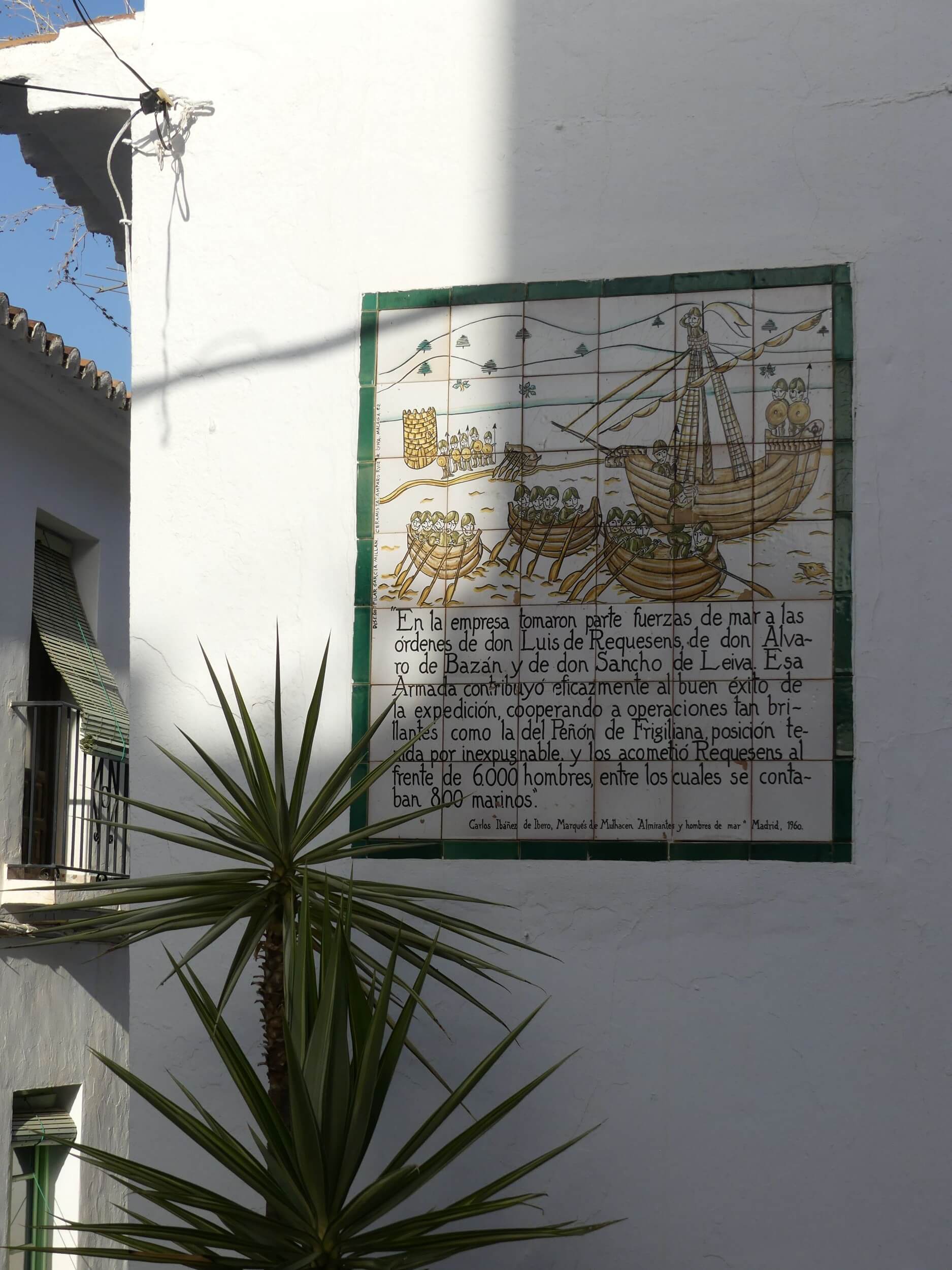
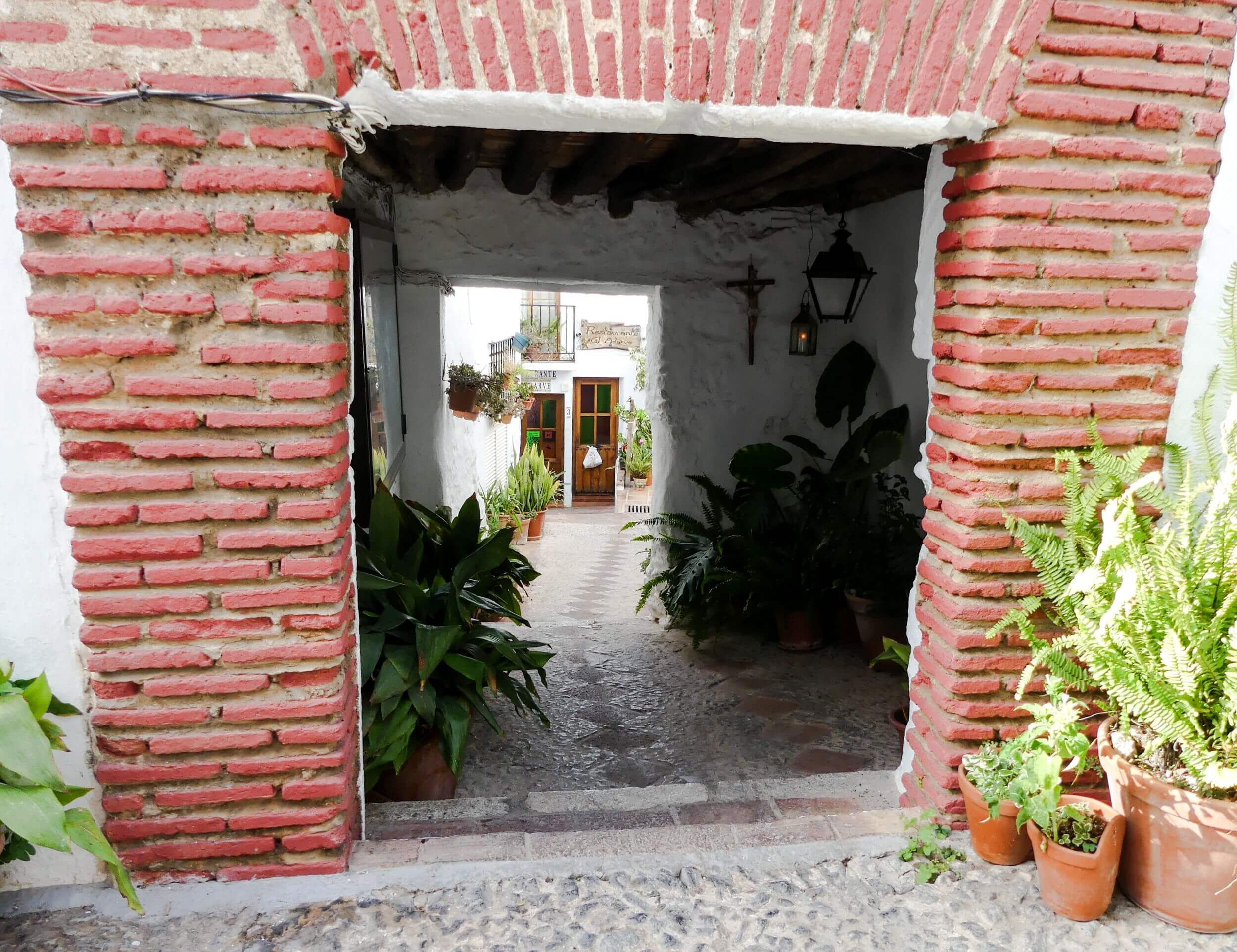
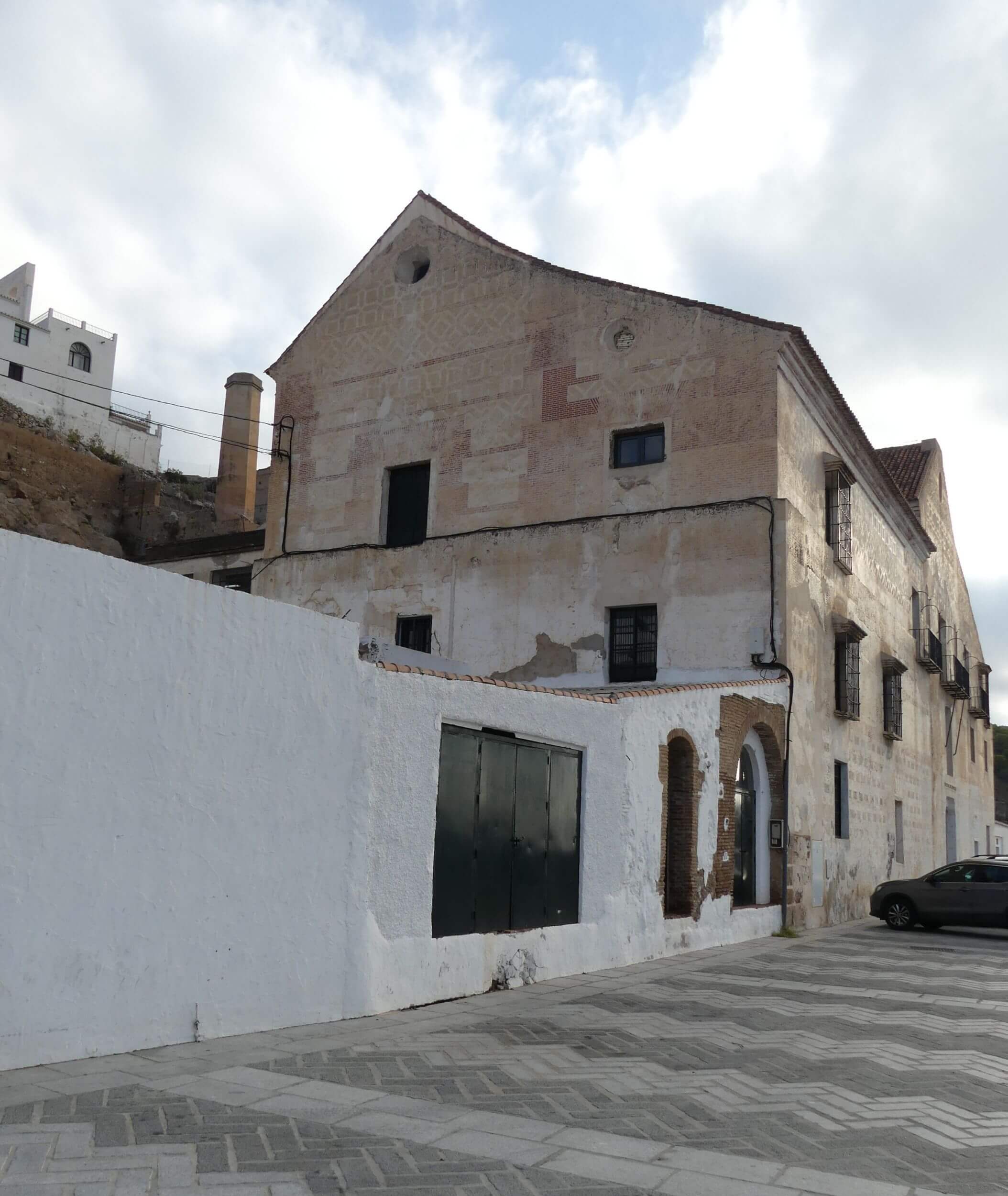
Frigliana, although not large, punches above its weight in the “cuteness” category, providing many opportunities to poke around the colourful streets (including such spots as the last remaining sugarcane honey factory in continental Europe), affording many a photogenic opportunity:
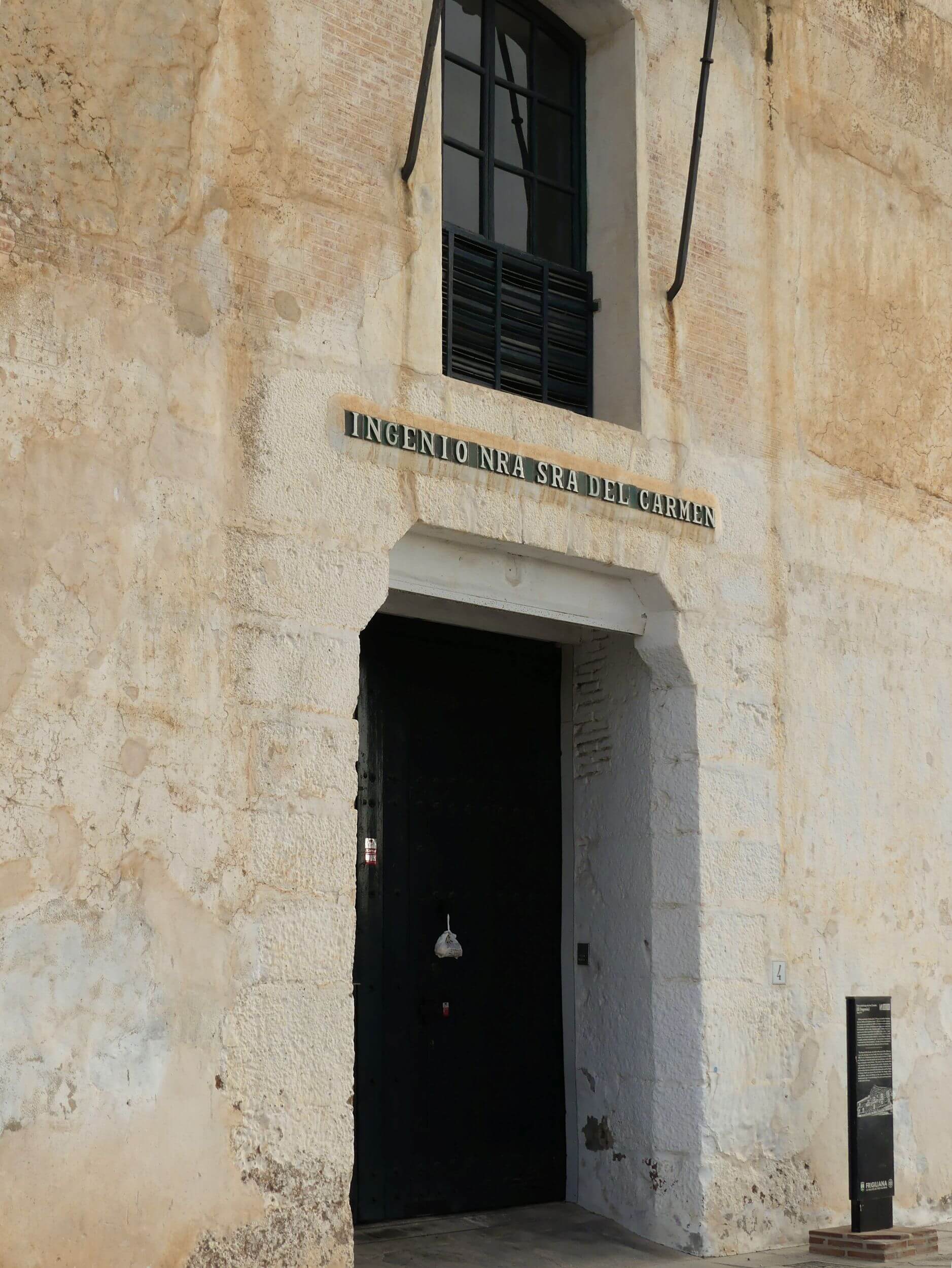
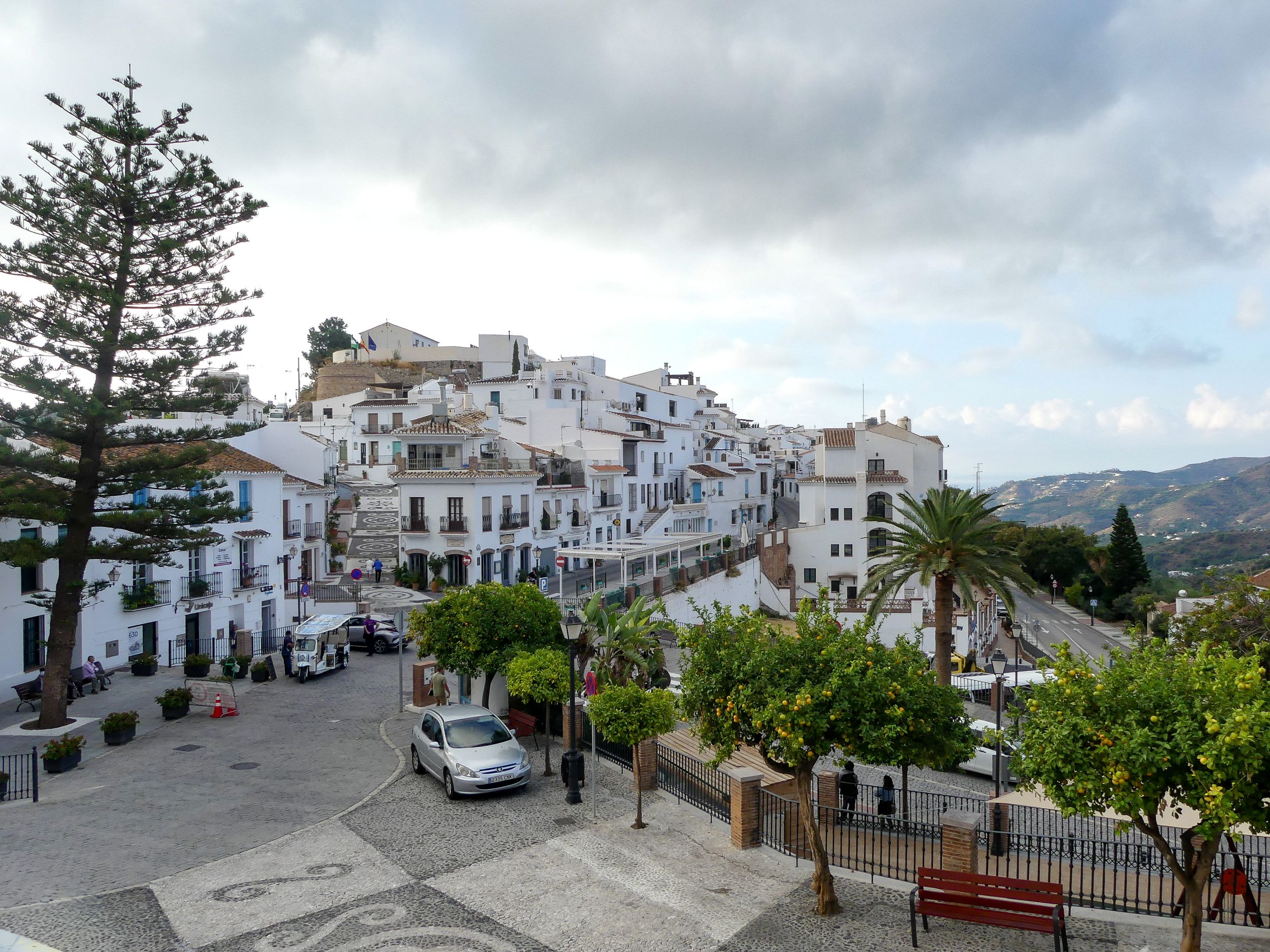
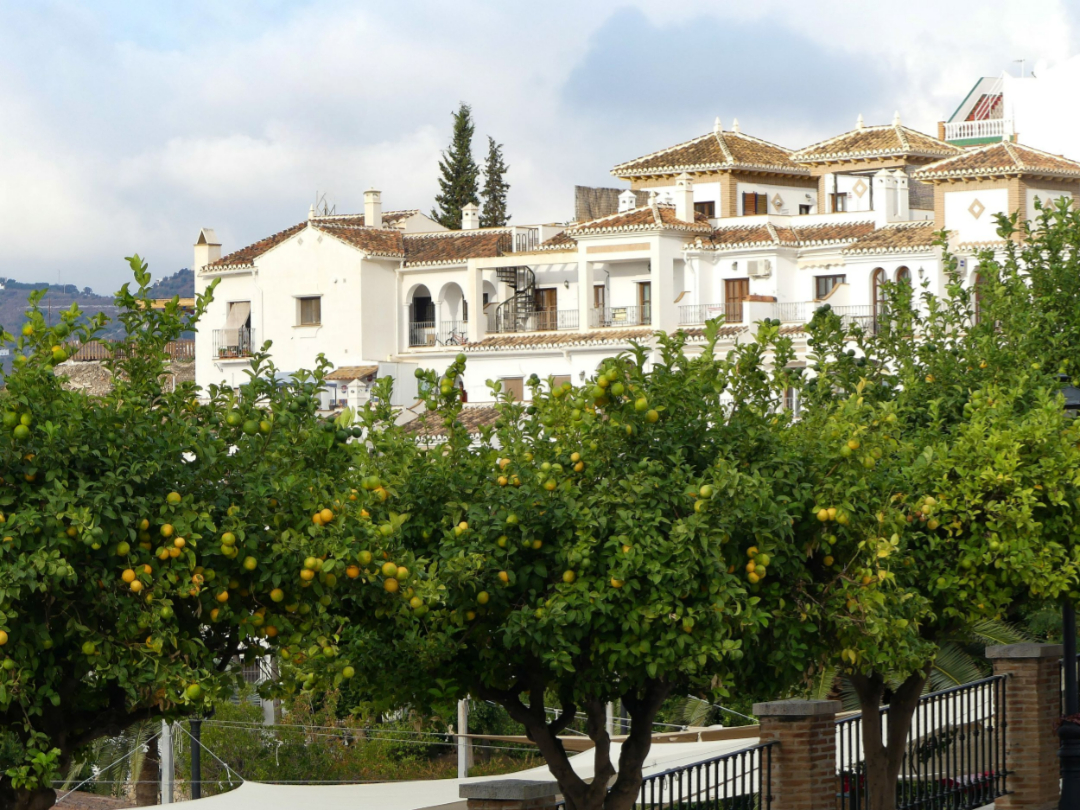
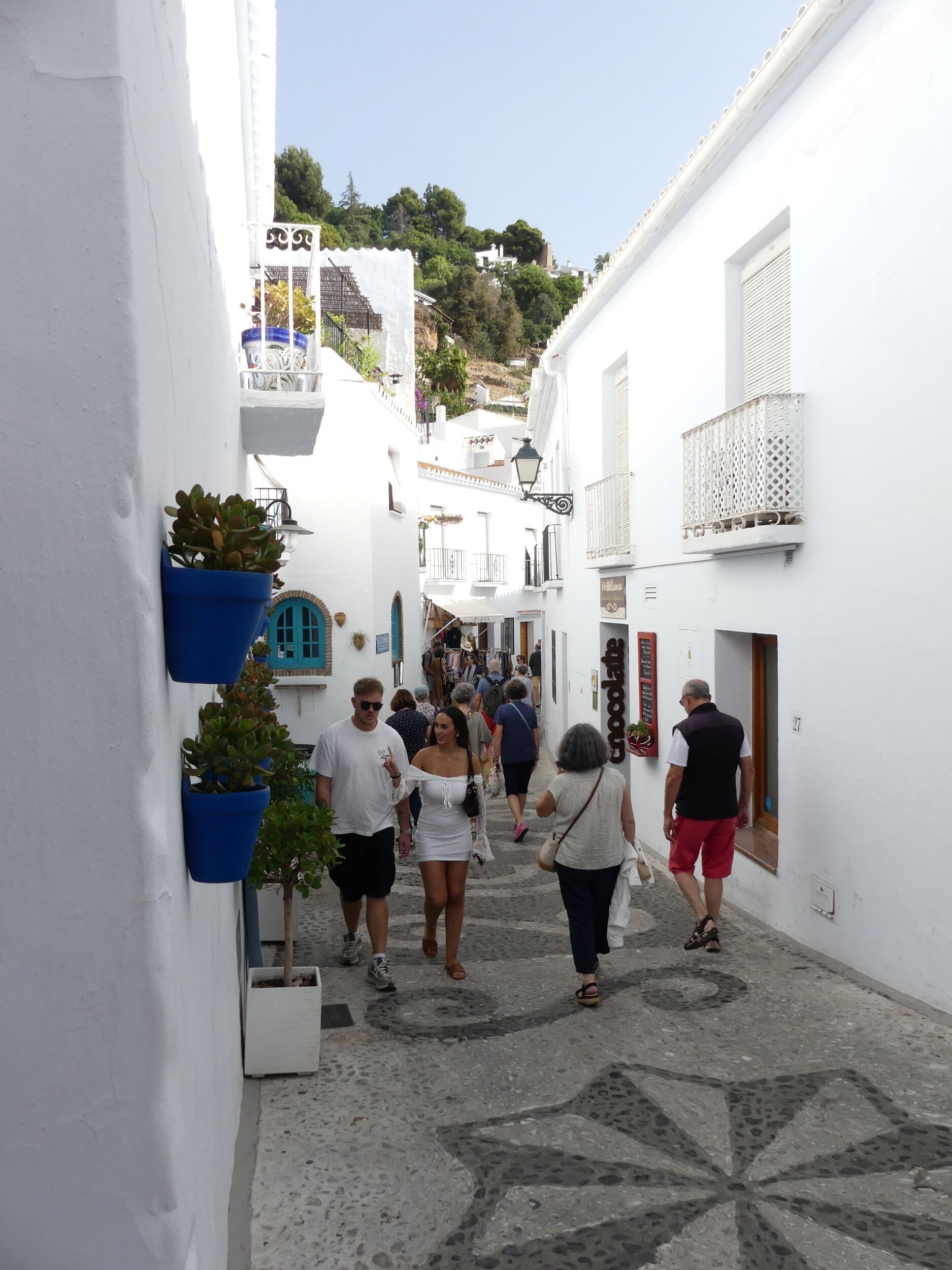
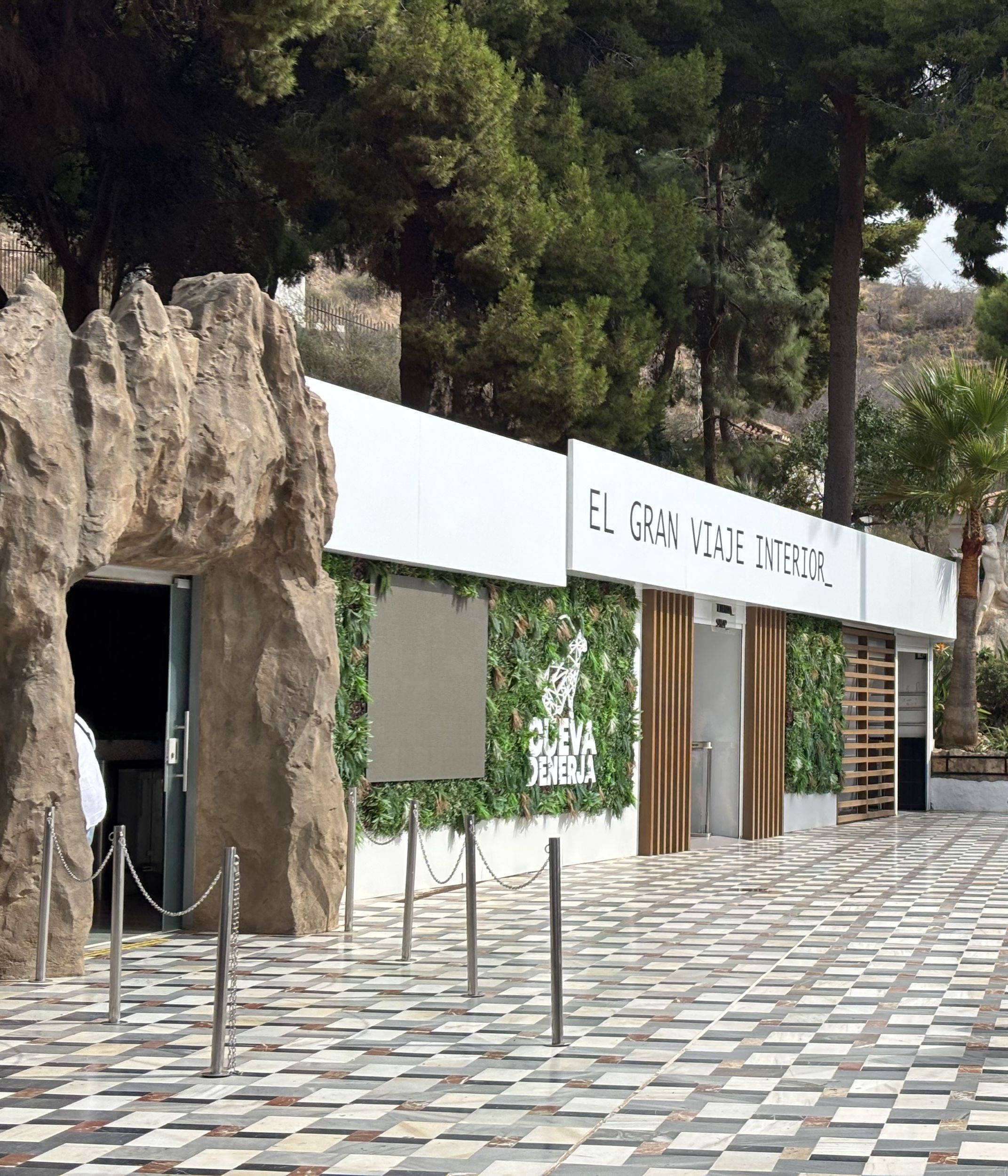
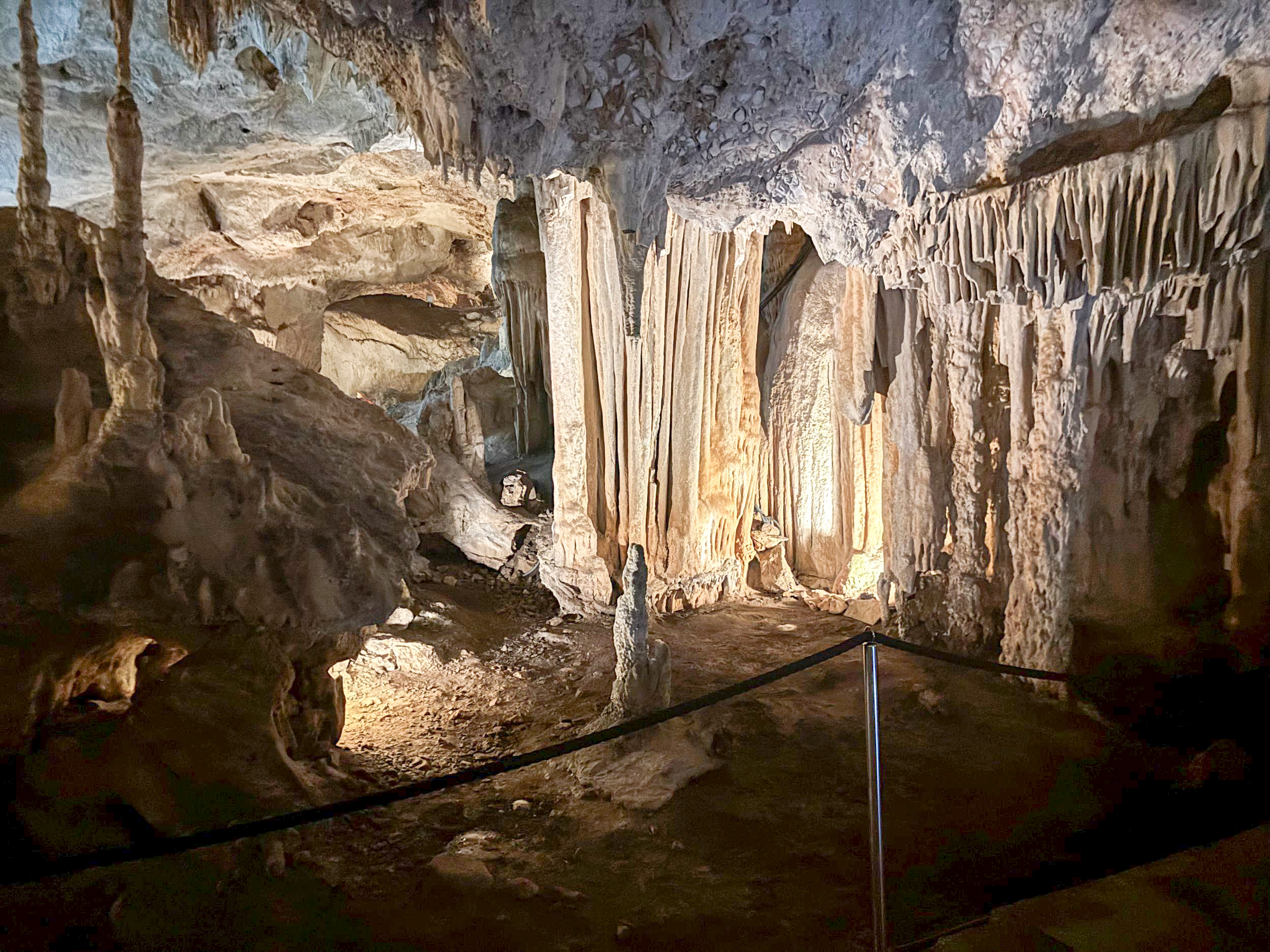
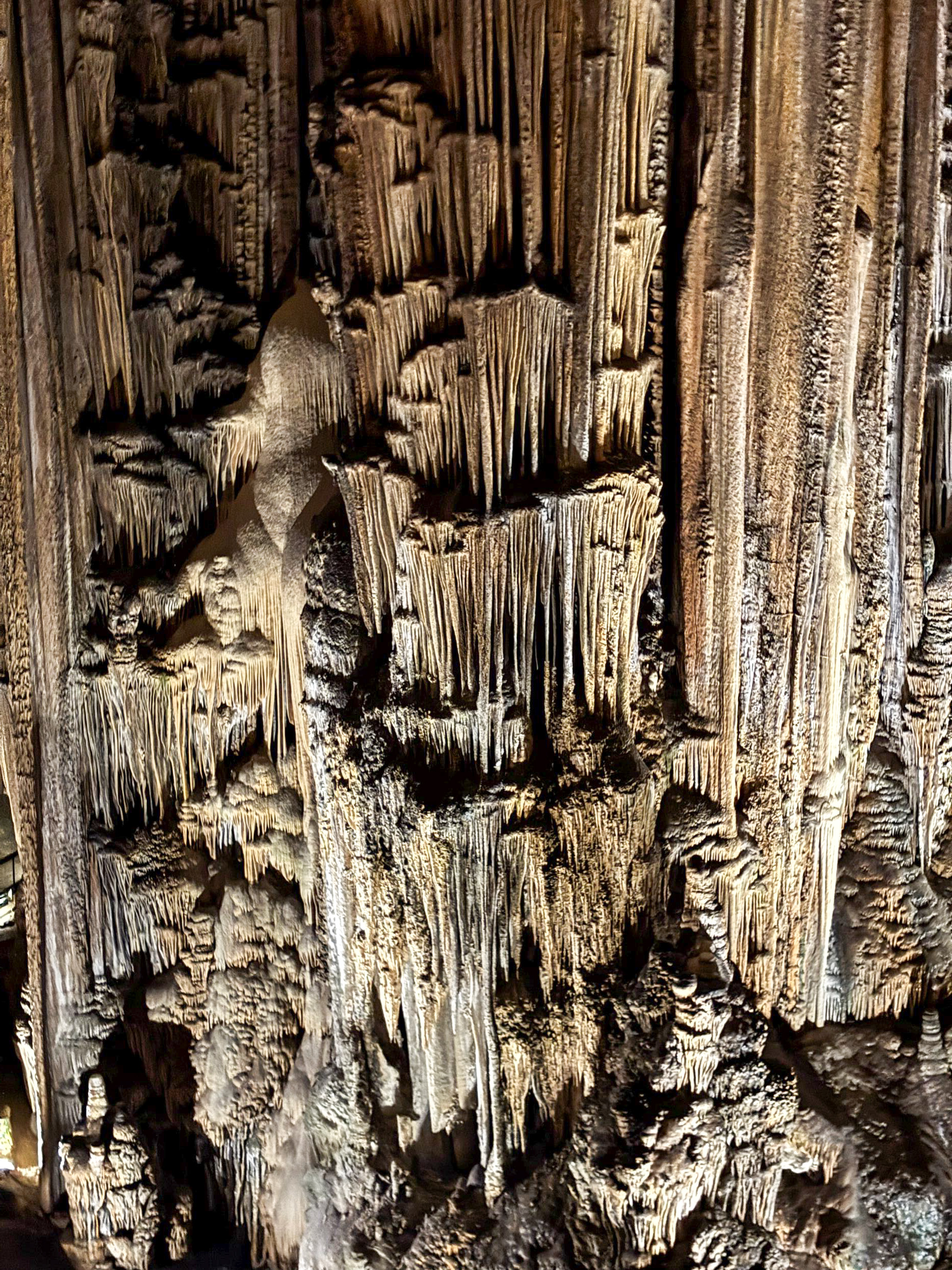
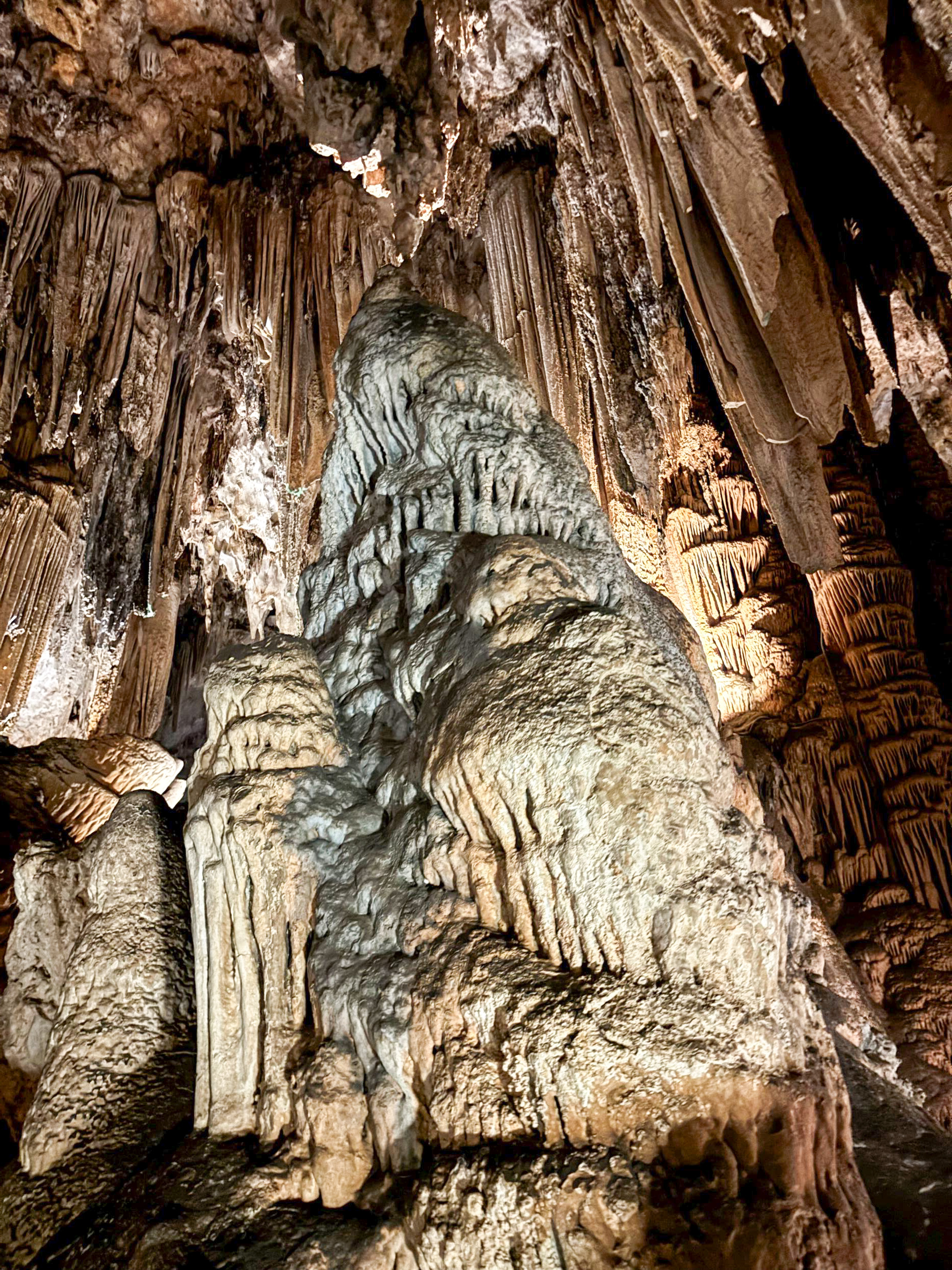
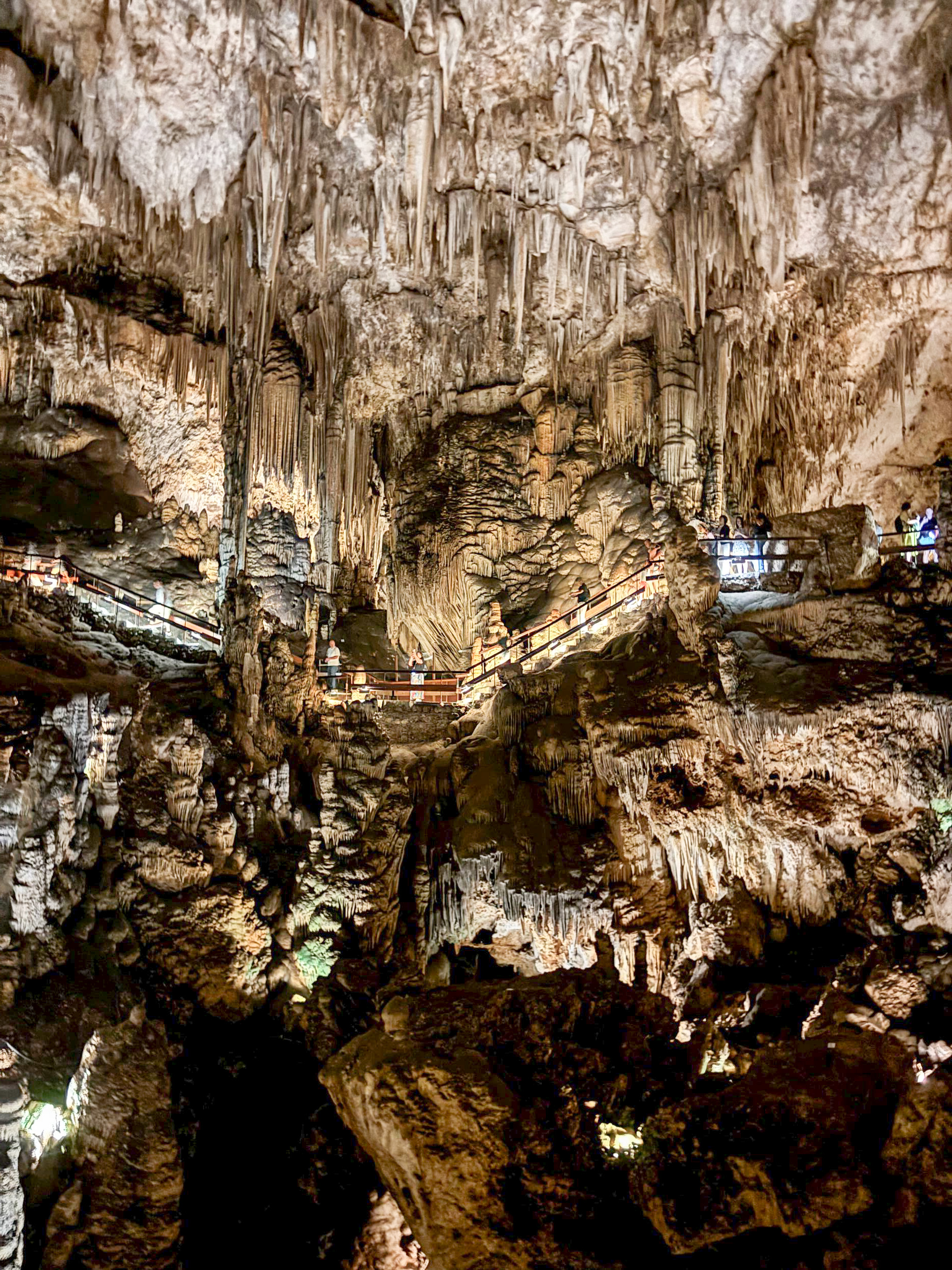
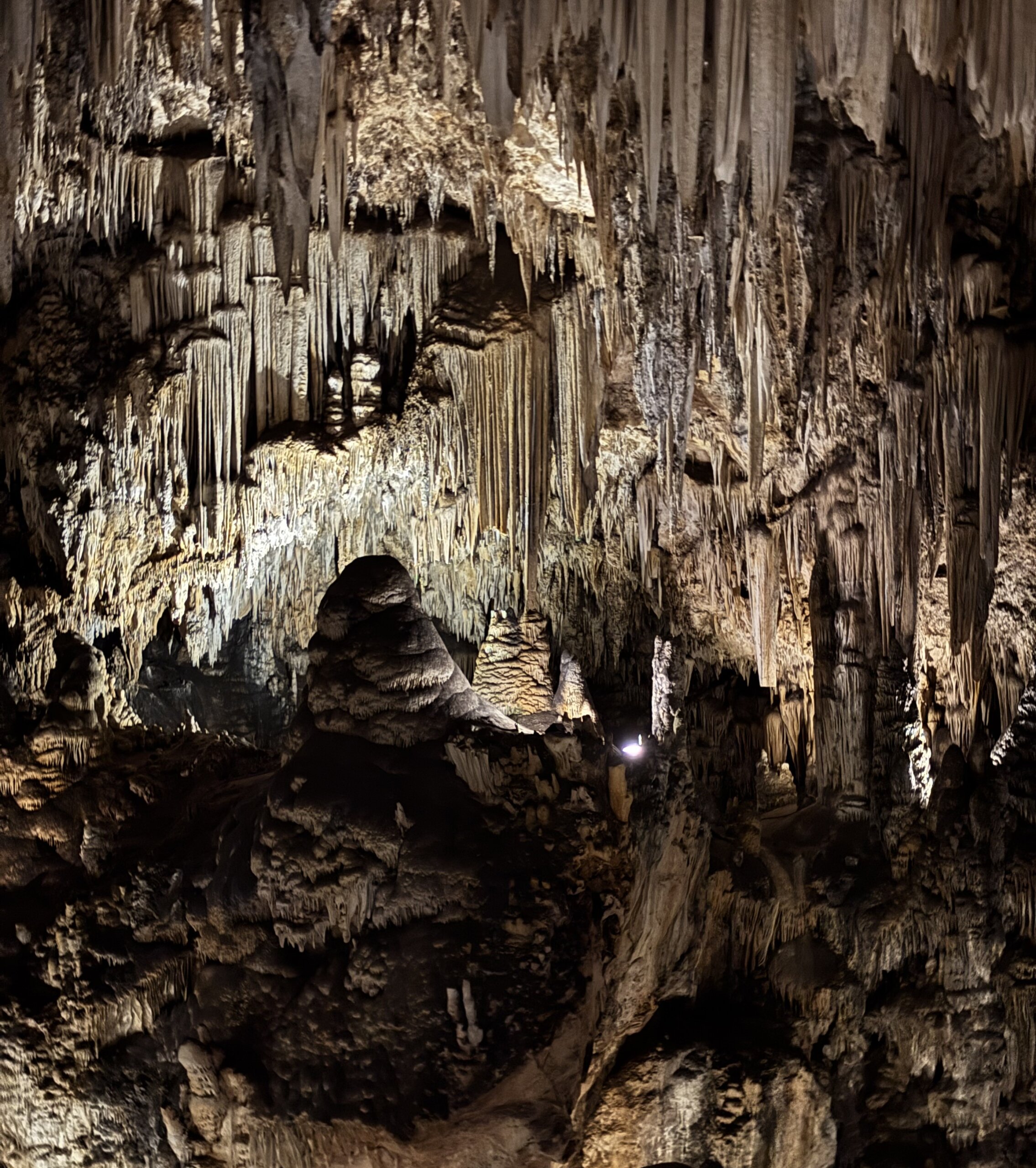
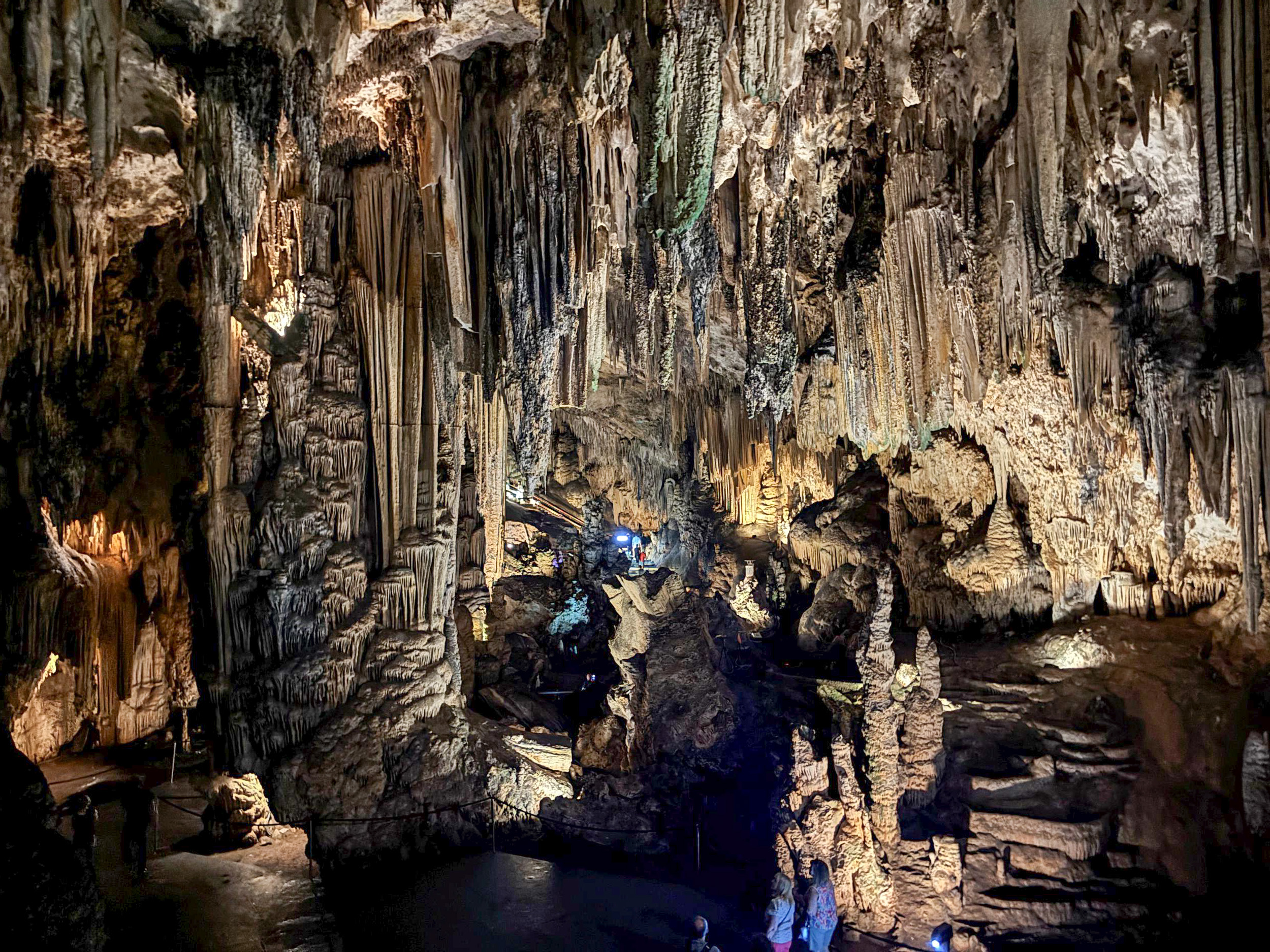
Eventually, on a cloudy day, we decided to visit the Nerja Caves, discovered in 1959 by local boys and now considered one of Spain’s most remarkable prehistoric sites. The caverns extend over five kilometres, filled with dramatic stalactites and stalagmites. Archaeological evidence shows they were inhabited from about 40,000 to 3,000 BCE, serving as both shelter and ritual space for early humans. They also contain some of Europe’s oldest known cave paintings, possibly depicting seals. Today, the caves attract visitors for their geological beauty, ancient art, and occasional concerts in the natural amphitheatre. It was a pleasant, uncrowded visit to a fascinating underground world.
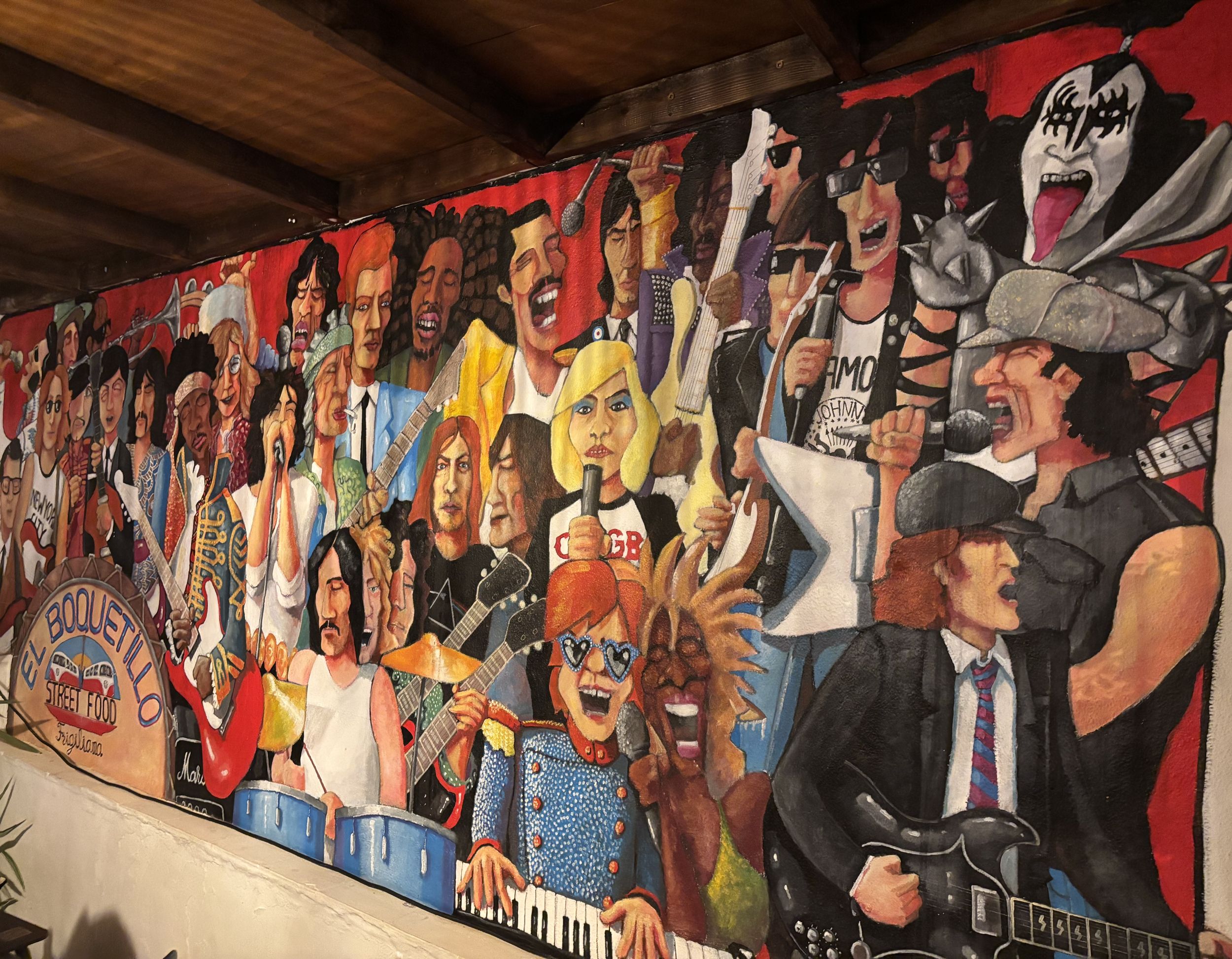
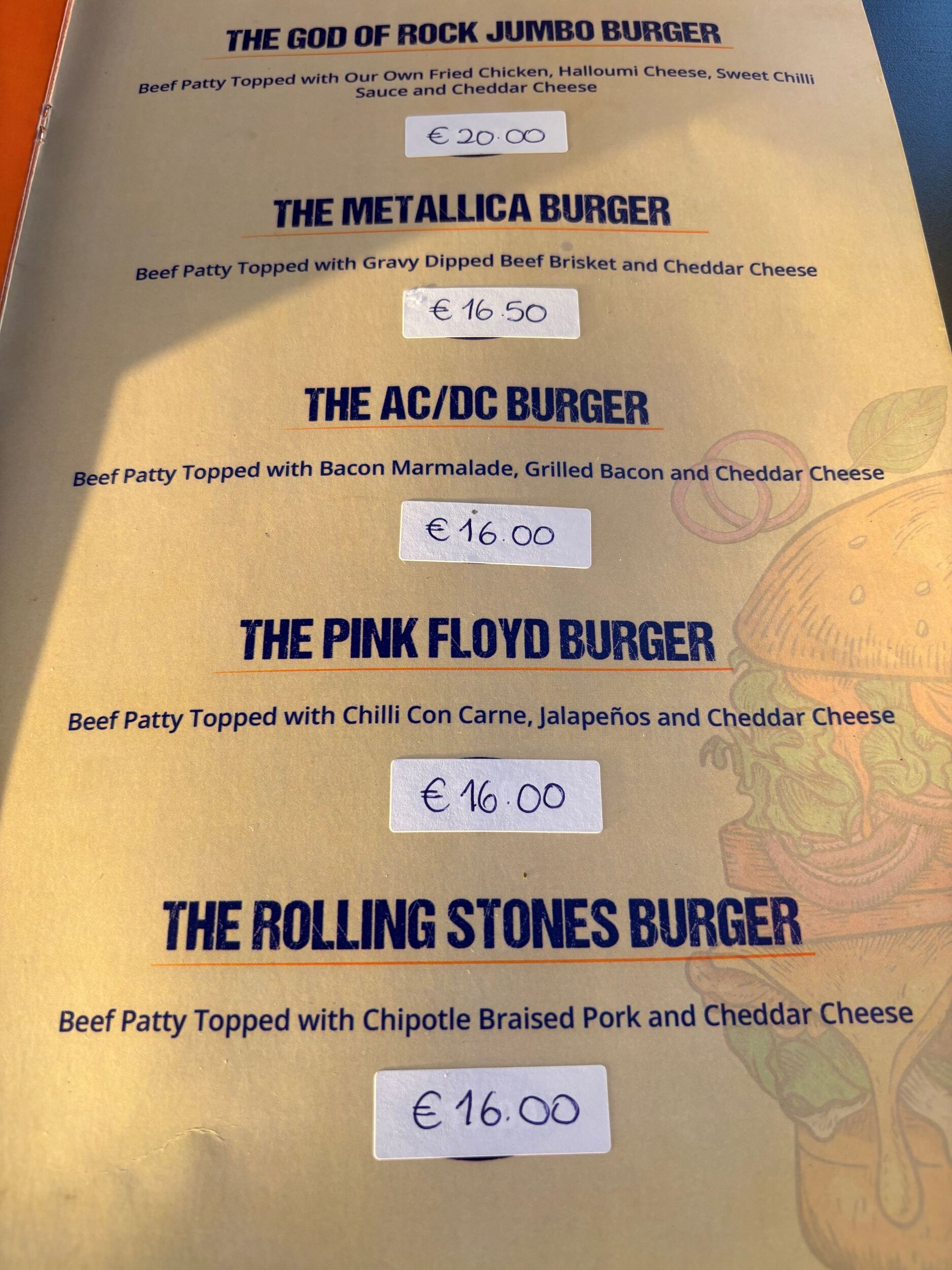
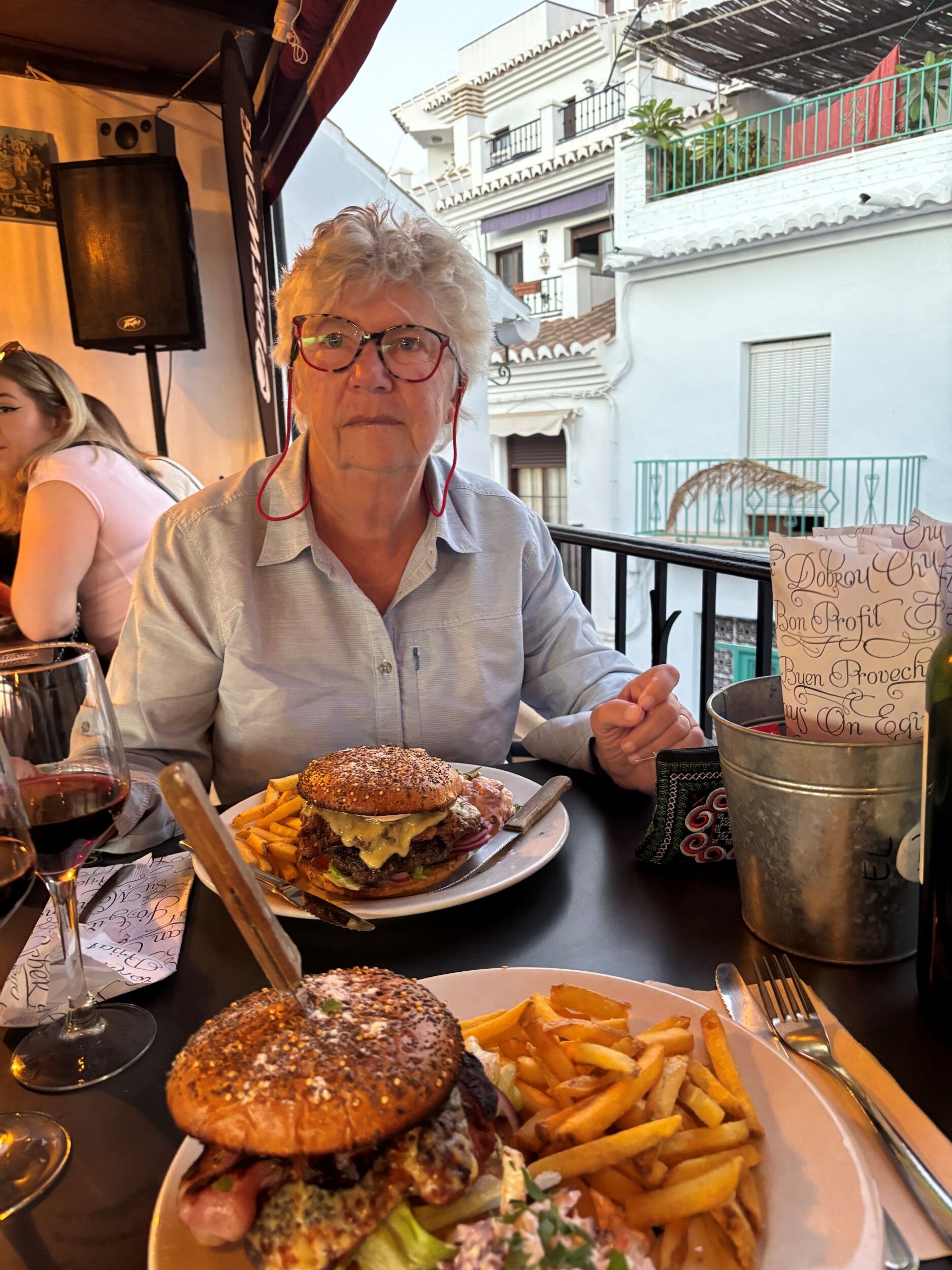
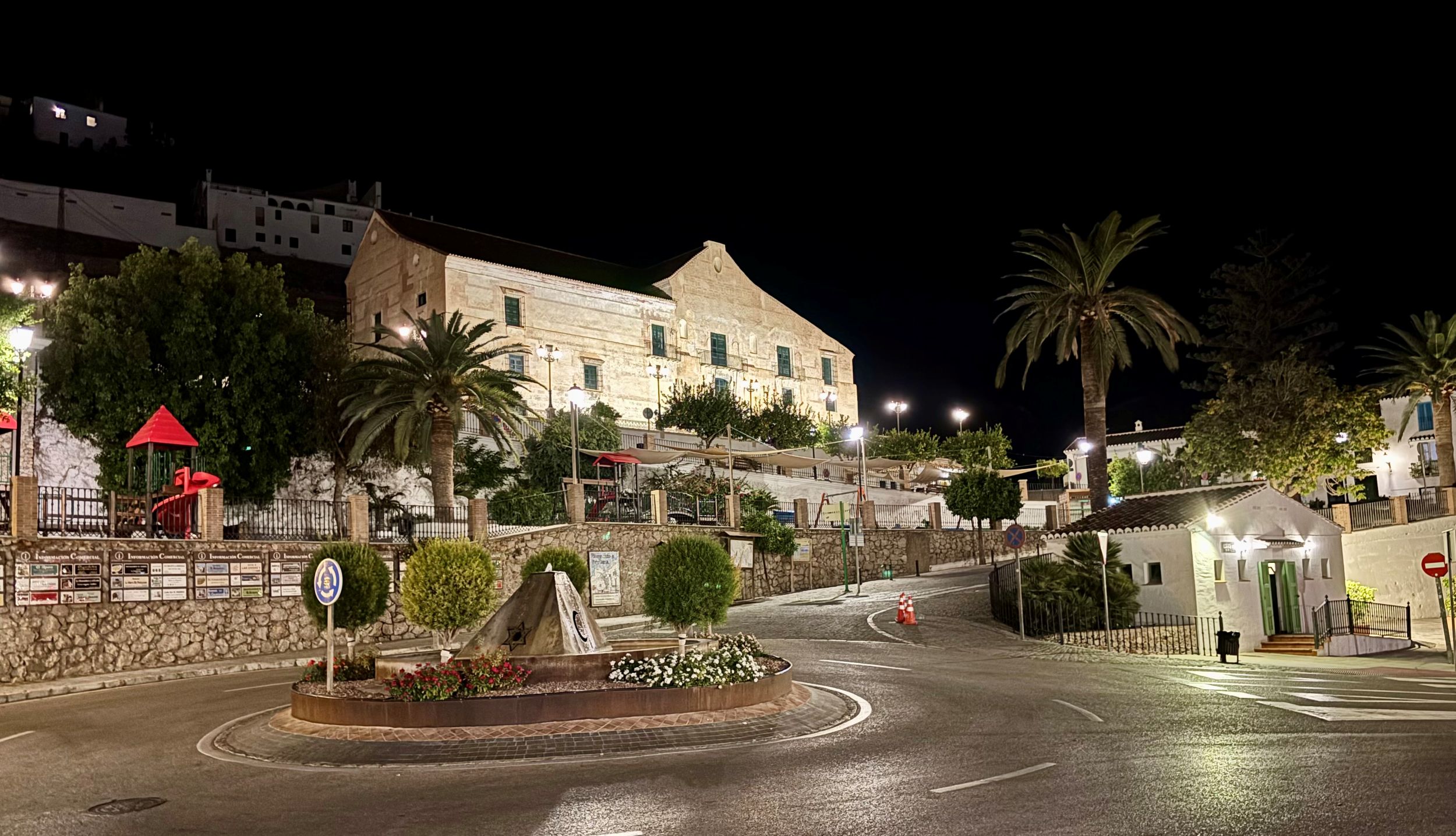
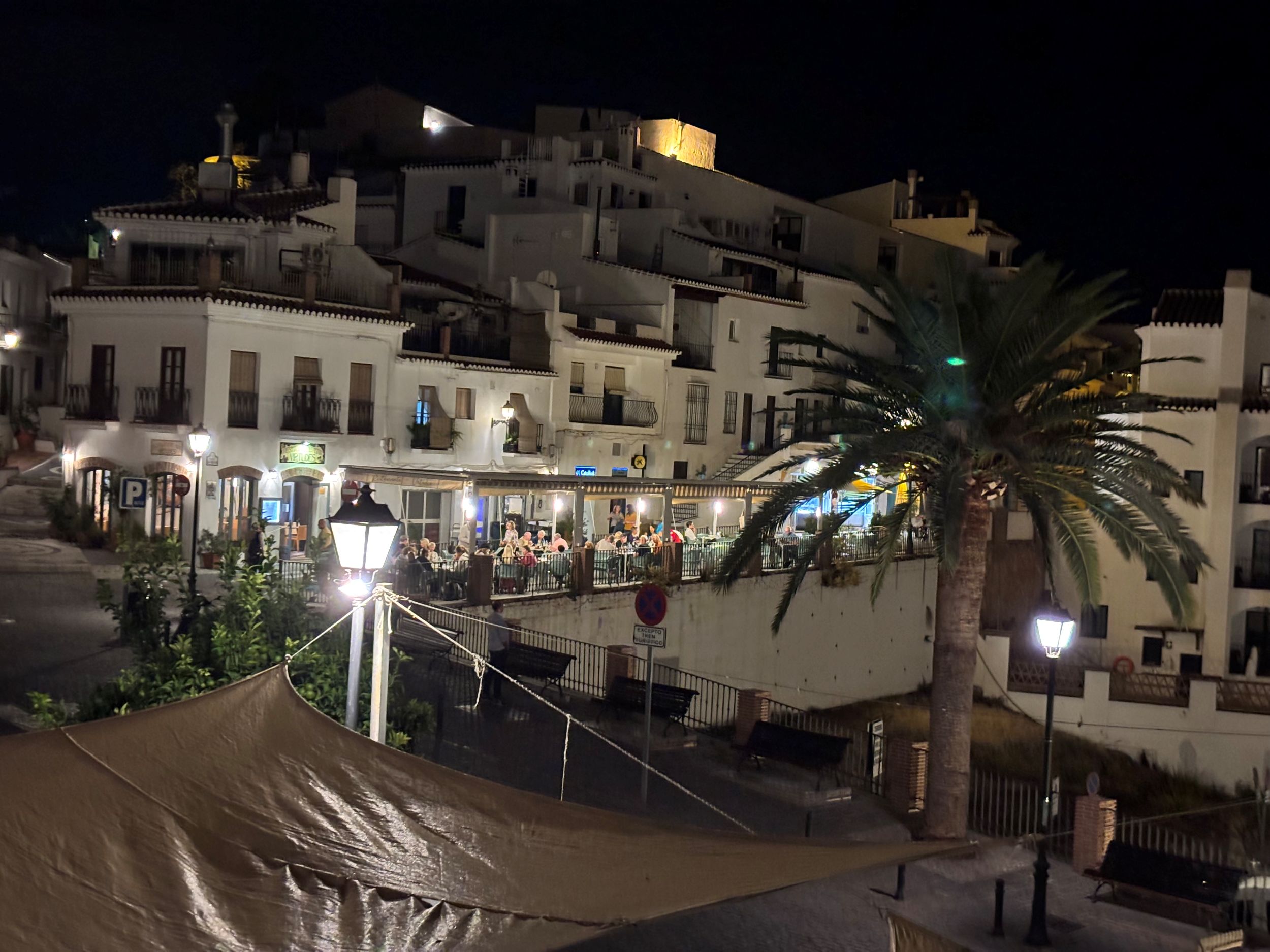
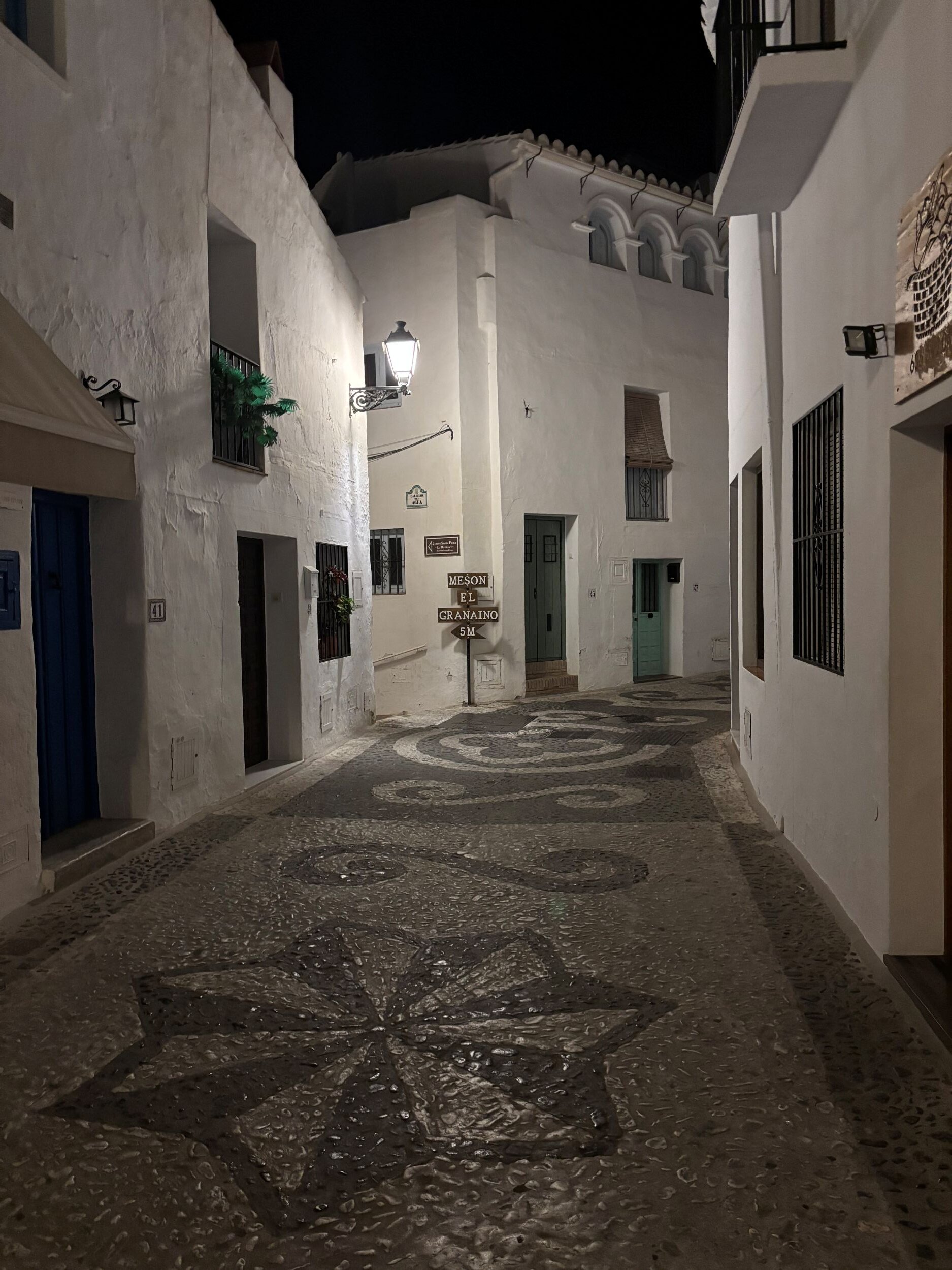
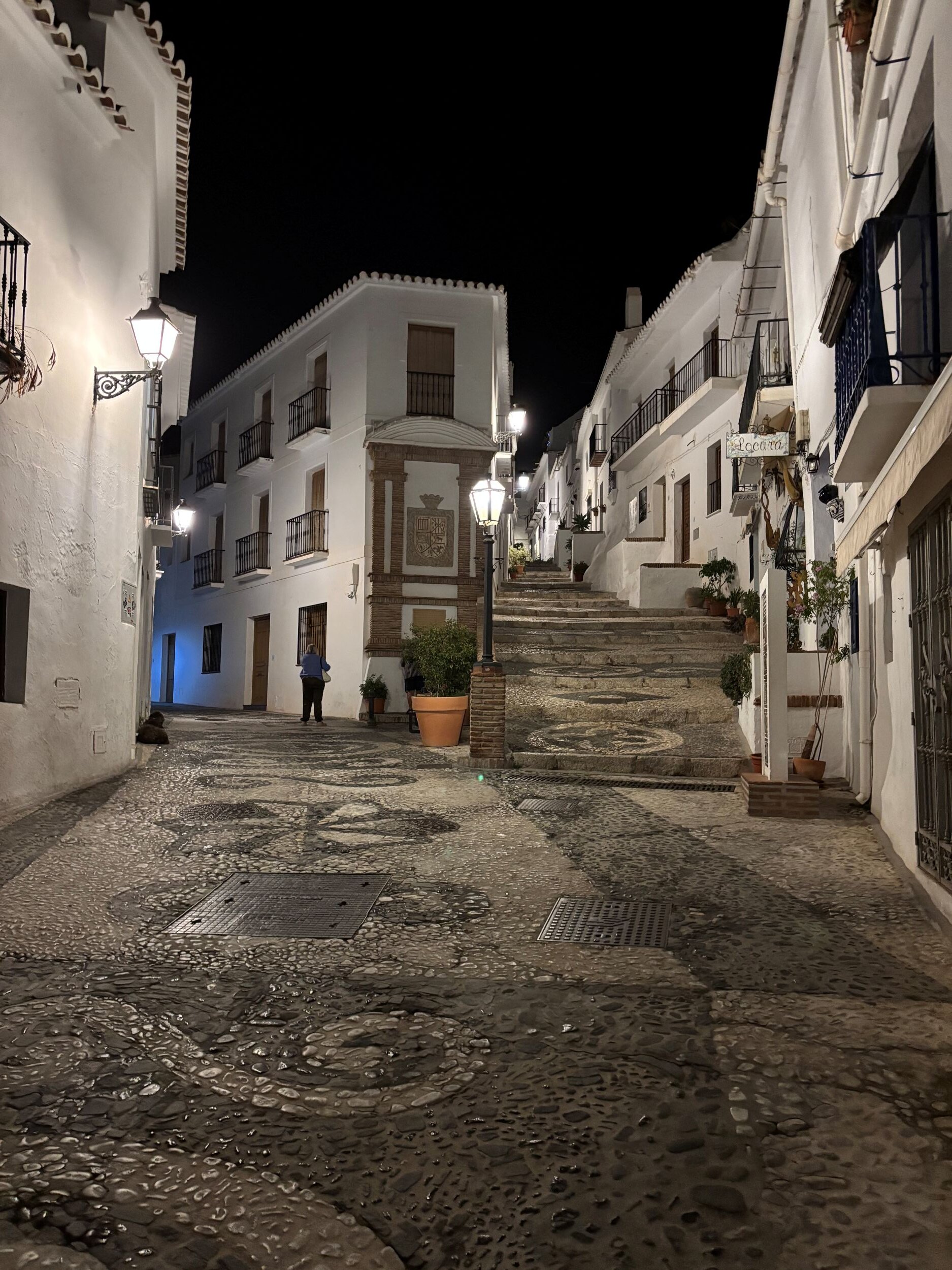
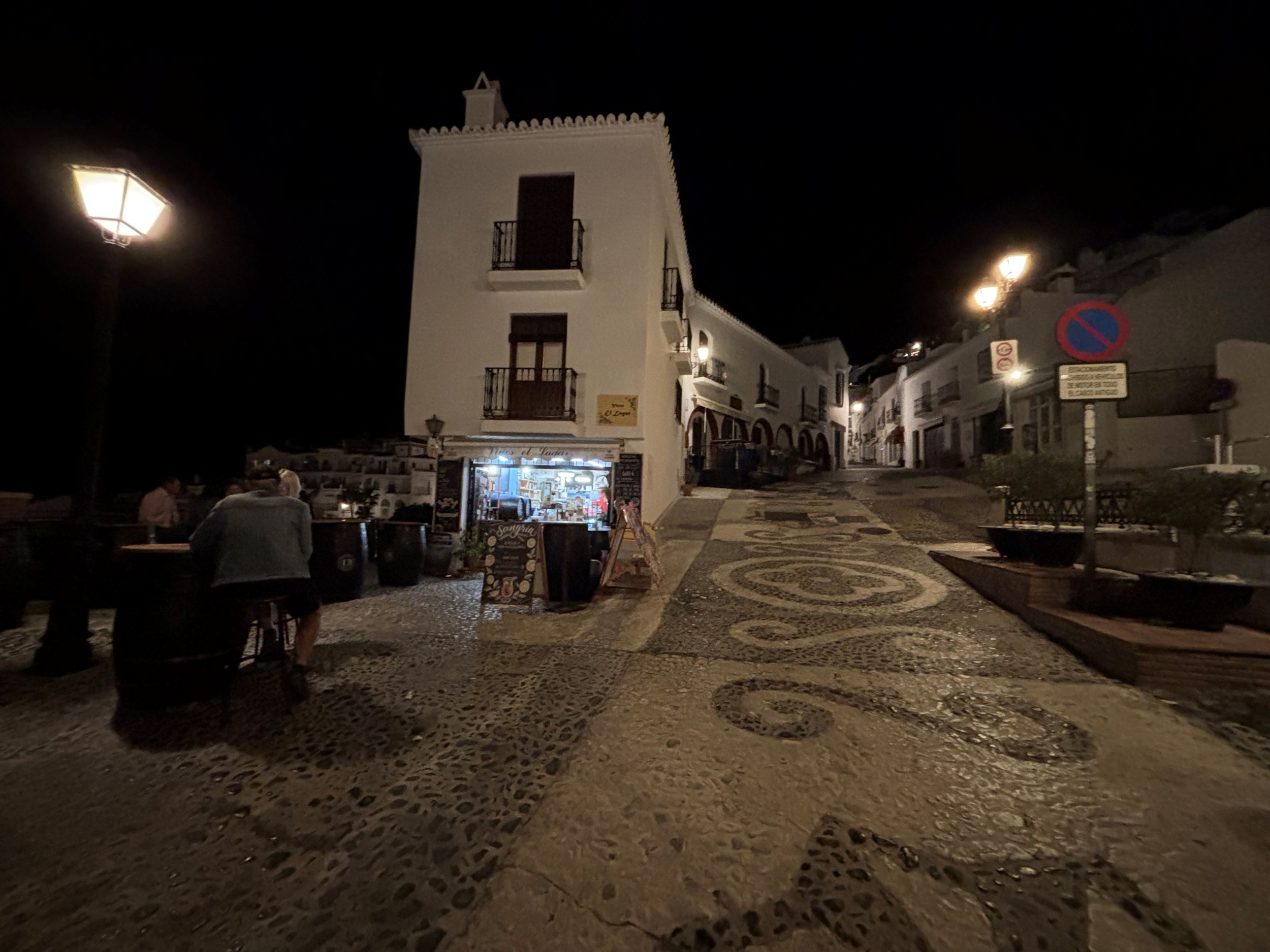
We wrapped up our stay in Frigliana with supper at El Boquetillo Street Food and Bakery >>> definitely not an Andalucian eatery, but great fun…the restaurant had a feature wall painted by Gabe, our host, with guests invited to try to identify as many of the featured rock stars as possible, which was neat. Our waitress was from Ireland (so no language issues), and the food was very good! As we walked back, we stopped to enjoy the nighttime views of this town.
Tomorrow, we start heading north towards the conclusion of our trip…